
Selecting Ammo for Pepper Ball Launcher
Selecting the proper pepper ball ammo can make all the difference in how your launcher performs. The caliber impacts everything from how far it shoots to the punch it packs and how much irritant it delivers. In this breakdown, we'll compare .50 and .68 caliber options based on real-world factors like performance, compatibility with different launchers, and what suits training or defense needs. Our aim at Prepared 2 Protect is to help you pick what's best for your situation.
Quick overview of ammo calibers:
-
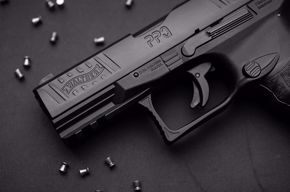
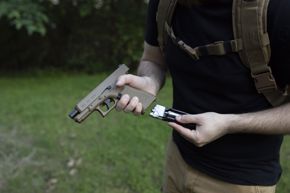
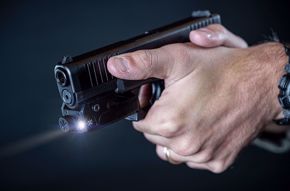
.50 caliber pepper ball ammo: Works well in pistols—it's compact with solid short-range handling.
-
.68 caliber pepper ball ammo: steps up for long guns, offering more power and payload for home scenarios, but it can also be an exceptional pistol round
- Stick to your launcher's spec; .50 for portability, .68 for heavier duty.
What “Caliber” Means for Pepper Ball Ammo
Caliber is basically the round's diameter, which affects its flight path, how much irritant it holds (for pepper types), and the energy it hits with (for rubber). Your launcher dictates the caliber—don't mix them, as a .50 setup won't handle .68 safely. We've seen mismatches cause issues, so always double-check compatibility.
Construction & Types of Rounds
No matter the caliber, pepper ball rounds fall into a few categories:
-
Irritant (Pepper) Rounds: These have a fragile shell packed with pepper-based powder that bursts on contact, creating a cloud to irritate eyes and airways.
-
Rubber Impact Rounds: Tougher projectiles that rely on a hard hit to deter, no chemicals involved.
-
Practice/Inert Rounds: Safe for drills, mimicking weight and feel without the effects.
Each maker tweaks the design for break patterns or velocity—always go by the specs on the box. For our lineup, browse pepper, dust, and rubber ammo to see what's available.
.50 Caliber — Characteristics & Use Cases
.50 caliber shines in scenarios where size matters less than speed and ease.
Where it stands out:
-
Pairs perfectly with pistol launchers, like our HDP 50, making it a go-to for compact defense.
-
Lighter and smaller, so it's simpler to carry or stash away.
-
Holds its own in close-quarters with reliable aim from handheld setups.
Downsides:
-
Smaller size means less room for irritant or energy compared to bigger rounds.
-
Might not reach as far in some cases, especially without a longer barrel.
Opt for .50 if you're after a pistol for everyday readiness or shorter distances. It's what we recommend for folks prioritizing quick draw over max power.
.68 Caliber — Characteristics & Use Cases
For more robust needs, .68 caliber brings extra capability.
Where it excels:
-
Bigger payload lets it carry more irritant or hit harder, ideal for deterrence.
-
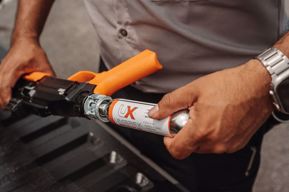
Fits long-gun styles like our HDX shotgun, giving you better control and sight lines.
-
A favorite for home protection where stability and range count.
Trade-offs:
-
Heavier rounds and launchers can feel bulkier, not as easy for on-the-go.
-
Expect a bit more kick—training helps get used to it.
Choose .68 for long-gun setups or when you need that added edge in impact. It's proven effective in stationary defense roles.
Performance: Range, Accuracy, & Energy
How these calibers perform ties into your launcher's barrel, round design, and even weather. Stick to manufacturer numbers for range and speed—they're the most accurate guide.
From what we've observed:
Test with practice rounds to gauge your specific combo.
Smaller .50 might wobble more in wind, while .68 holds steadier outdoors.
For practice options in either caliber, check our ammo catalog.
Ammunition Selection Tips
Match the caliber to your launcher—no exceptions.
Pick irritant for spread effects, rubber for straight impact.
Stock up on practice rounds to hone your skills without waste.
Keep everything cool and dry; watch those shelf lives.
Look at labels for formula details—some packs vary in strength.
We've got mixes ready in our pepper and rubber ammo section, including practice packs.
Safety & Responsible Use
A few caliber notes on safety:
Both can hurt up close—keep distance in mind.
Pepper types might affect others nearby; think about airflow indoors.
Gear up with eye protection for any training.
Get hands-on practice with inerts if you're new to this.
Use Cases: Practical Scenarios
For carry: Go .50 pistol—compact and ready when you need it fast.
Home setup: .68 long gun for better handling and reach around the property.
Training: Match practice to your main caliber for true-to-life feel.
How to Buy Ammo: Checklist
Confirm it fits your launcher.
Note the make date and storage tips.
Stick to trusted brands for reliability.
Grab a blend of live and practice.
Monitor availability—calibers like these can go quick.
Frequently Asked Questions (FAQ)
Can I fire .68 rounds in a .50-caliber launcher?
Absolutely not—it's unsafe and could wreck your gear.
Which caliber is more painful on impact?
.68 often hits harder due to size, but it varies with design and distance.
Are there differences in legal status between .50 and .68 rounds?
Laws usually cover the launcher type more than caliber—check your area.
Should I buy more operational rounds or practice rounds?
Balance both: Extra practice for skill-building, enough operational for readiness.