
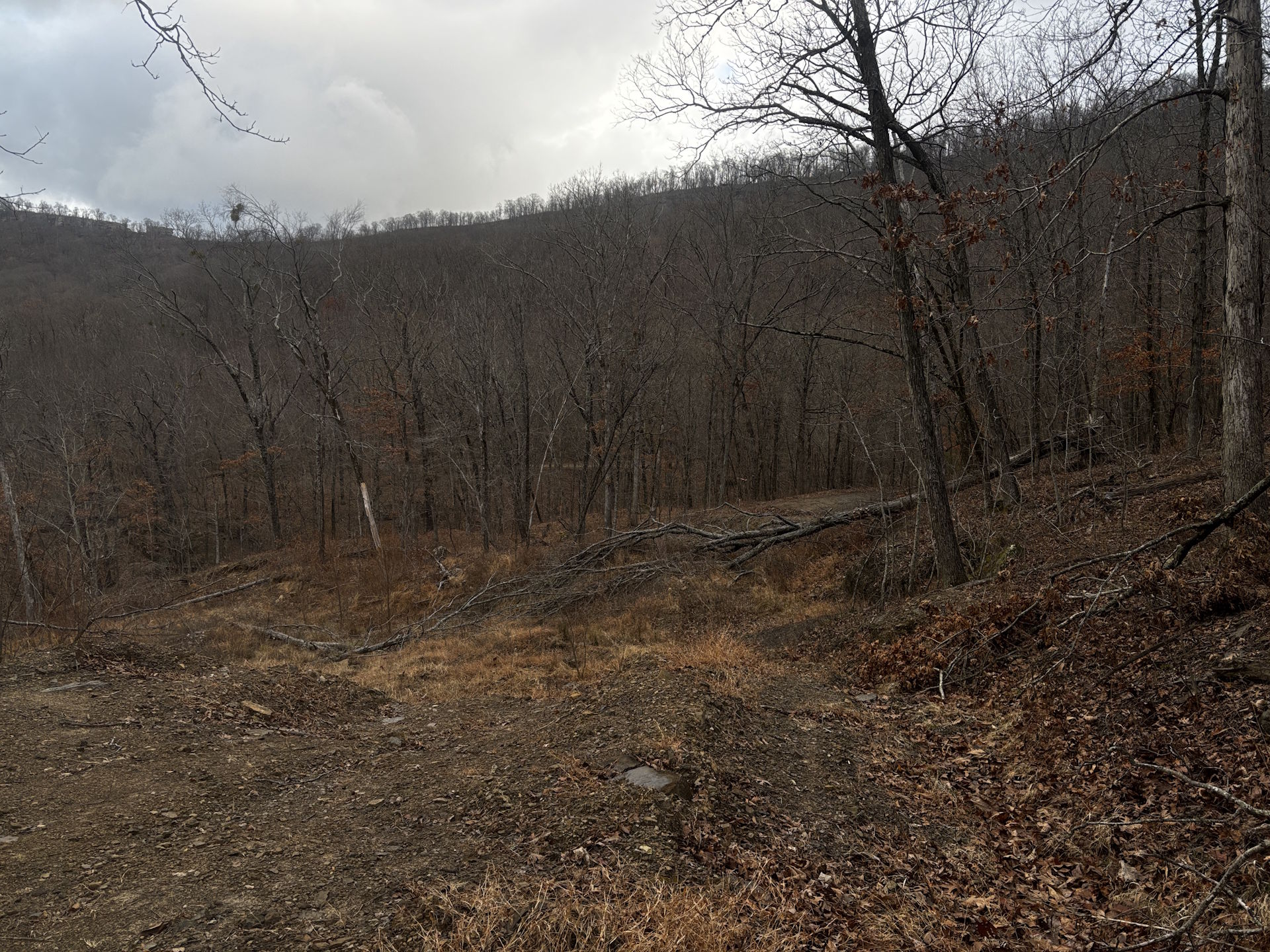
Storm damage can wash away roads, and, in some cases, permanetly change geography.
Our society just has to put a label on everything these days. For better or worse, those labels carry both a denotation (dictionary meaning) and connotation (inferred meaning). It would seem the connotation carries more weight in the attribution of meaning. Maybe that’s the point.
Around 15 years ago the term “prepper” started to appear. What were these folks preparing for? Before that, the term “survivalist” was used to describe or paint people into a corner. Typically those who found themselves in either the survivalist or prepper camp were those who gathered knowledge, skills, and gear to make it through tough times. Those tough times could be an economic depression, natural disaster, political instability, or a war. Detractors tended to focus on political instability and war rather than the much more common natural disasters.
These terms have a tendency to be used as a pejorative, a good name to call someone when that person is outside of your camp- whatever that happens to be. But the truth is, and as the people in Eastern Tennessee and Western North Carolina found out with Hurricane Helene, being prepared for a “stuff” hits the fan (SHTF) event is not the territory of conspiracy theorists.
Therefore, and for lack of a better term, being a prepper or survivalist is really just a way of saying you are ready and equipped for dealing with a persistent and indefinite emergency situation.
No, you don’t have to self-identify as a prepper. In fact you don’t have to identify as anything. The prevailing logic is holding your cards close to your chest regarding your level of preparations is a good thing. Being too open with this information can paint a target on your house or your person. But I’m getting a little too far ahead of myself here.
Classifications of Gear
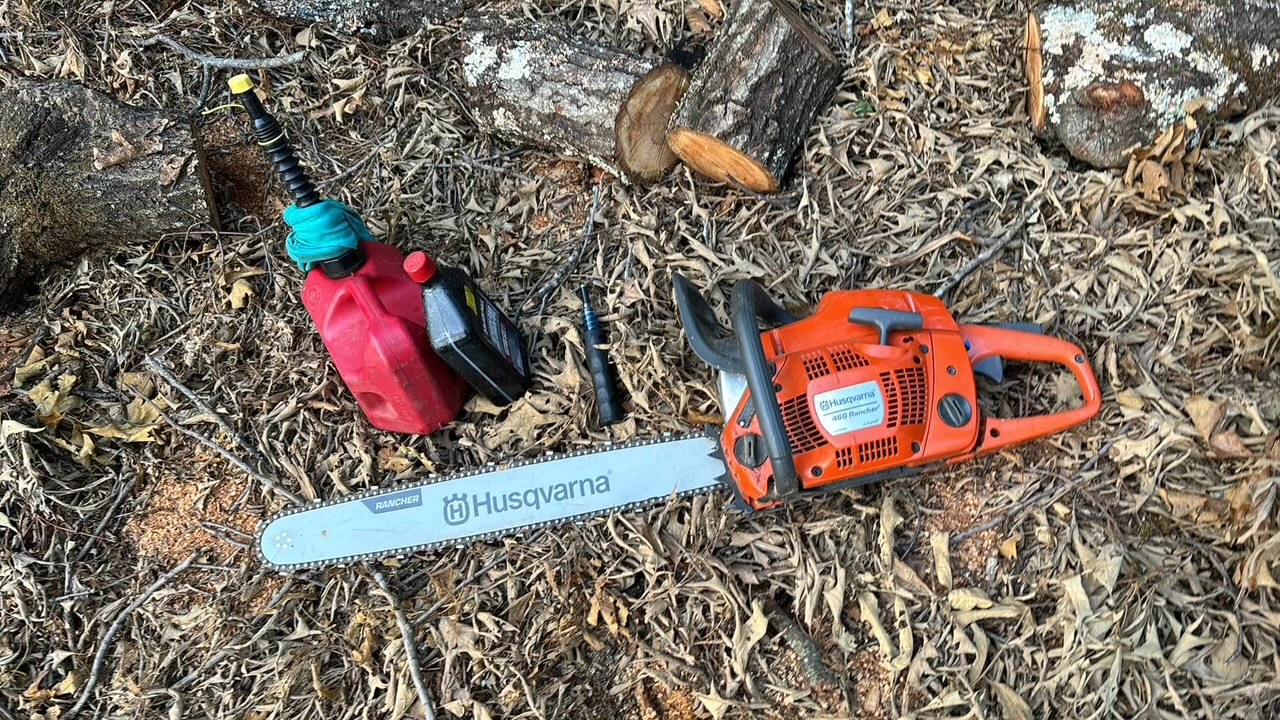
A good chainsaw and required accessories can help open roads and clear downed trees from your property.
Humans need a few things to live. We need a few more to thrive. Being ready to navigate even a small-scale natural disaster like an ice storm or blizzard might cause a need for various types of equipment. When thinking about what you need to make it through a disaster, refer back to Maslow’s Hierarchy of Needs. No need to know them all, the first two will do, as they are the most important. Those would be the physiological needs and the safety needs. The physiological needs are things that keep you alive, food, water, and shelter. The Safety needs are things like personal security and first aid-health type items. There is no need to dig further into the hierarchy than this. The goal is to make it through a difficult situation. The paragraphs below will address this in general for the purpose of this blog. Do note this is NOT prescriptive for everyone everywhere. Customization for your region and its unique needs is crucial for proper emergency readiness.
First-Aid
When it comes to first-aid, it’s really hard to over-do it. Most homes have a good start of first-aid gear in the medicine cabinet. Bandages, anti-bacterial salves, and anti-inflammatory OTCs are the basic building blocks of a first-aid kit. Scaling this kit up to handle greater injuries, infections, or burns can be done cheaply and easily enough by simply picking up an item or two at your local pharmacy when you go shopping. Many retailers offer comprehensive first aid kits. Check out Refuge Medical for top-tier first-aid gear. First-aid gear really should be paired with first-aid knowledge. At least one adult in your household needs to have trained in first-aid administration. You can learn more about first-aid classes in your area by contacting your local Red Cross. Also, many first-aid kits can be purchased with HSA dollars.
Food and Food Prep
.png)
You have to eat and drink in order to survive. If your supply of fresh water is only as deep as the kitchen faucet, you will get thirsty really quickly when the water main gets cut or the pipes freeze. We in the West take for granted how easy it is to find both food and water anytime we need or want it. When you live within a 10 minute drive of a grocery store or a restaurant, it is easy to rely on the “supply house” down the street. Food, water, and gear to prepare food or purify water might make the difference between suffering and thriving during an emergency. Storing water, gravity water filters, ready-to-eat (low or no prep needed) food, and shelf stable foods will help make a bad situation much better. For water, plan for one gallon of water per person per day. In summer or desert climes, this will need to be expanded to at least 6 quarts per person per day. Concerning food, plan for at least 1,500 calories per day per person. Many outdoors retailers offer emergency food (low/no prep) as well as freeze dried or dehydrated foods for long term storage.
Shelter
*I see you have a mighty fine house there. Be a shame if I destroyed it.
This could be said by a firebug in California, a tornado in the South, or a hurricane in the coastal areas. Getting out of a disaster with just the clothes on your back is suboptimal. Having some durable clothes, shoes, and even something that can be used to keep the weather off of your back is in your best interest. Extreme heat during the summer and extreme cold during the winter months need to be accounted for. Good temporary shelter *can* be the clothes on your back depending on how dire the situation. But things like tarps, tents, sleeping bags and bedrolls can only serve to improve your comfort if suddenly you are without a house. This type of gear can be easily sourced from your local department store.
Specialized Tools
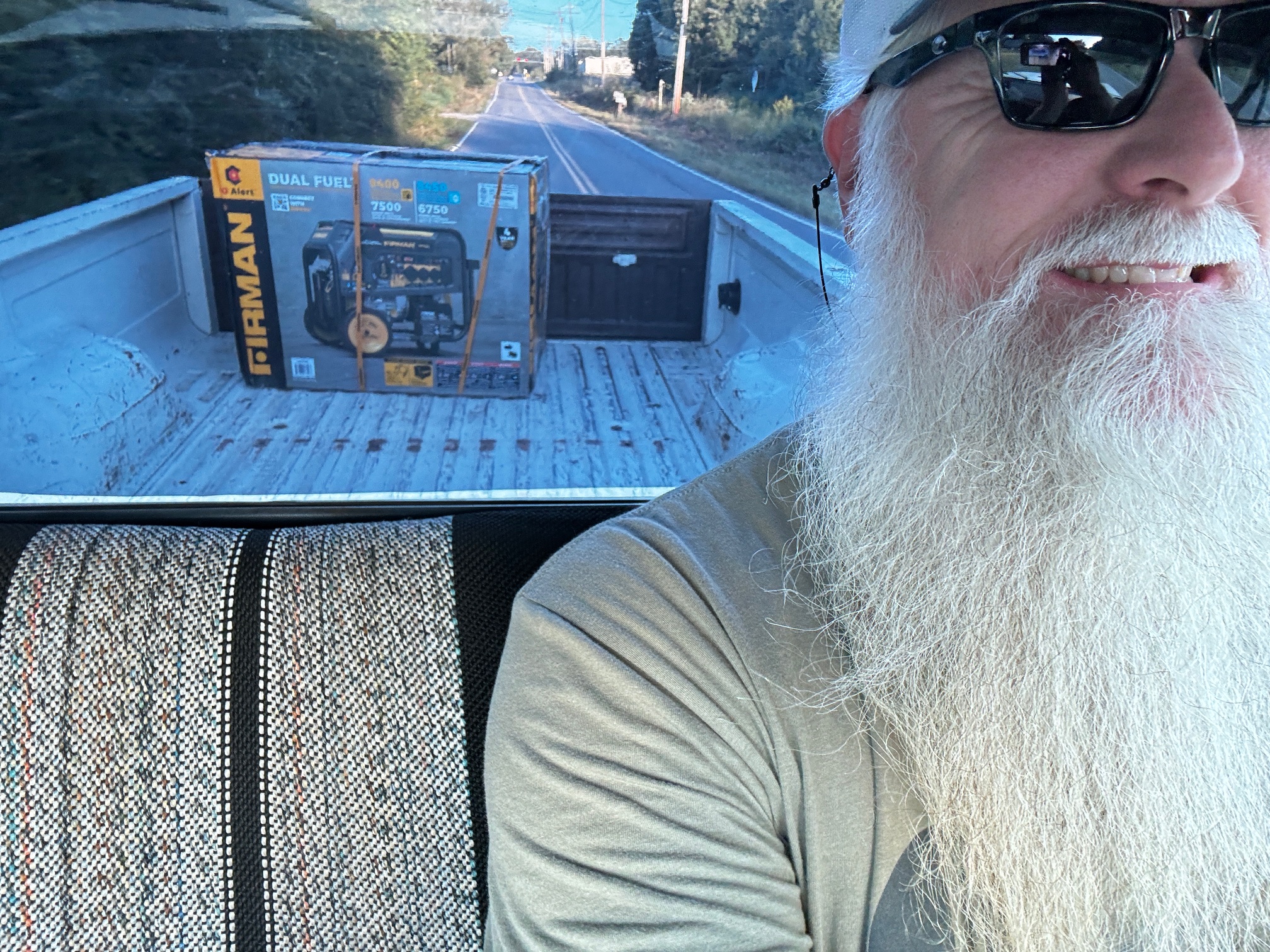
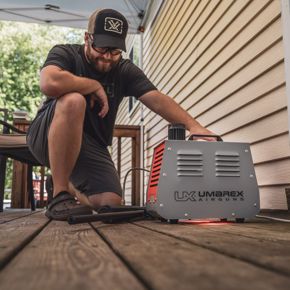
The author with a newly purchased dual-fuel generator large enough to power his small house.
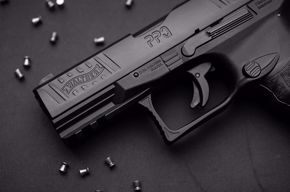
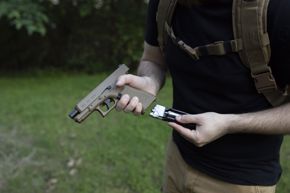
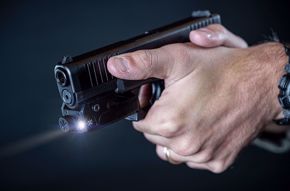
Having the right tool for the job is always preferred to making do without. For most localized emergencies tools like generators, axes, chainsaws (the gasoline kind), camp stoves, water filters, and yes, guns can make the difference between getting by or getting taken advantage of. This is where the idea of preparing for the worst takes a turn that people in ivory towers ridicule as being paranoid. It’s not crazy to have a fire extinguisher in your kitchen, but it’s crazy to own a firearm?
If you can acknowledge that fire poses a risk to your family that justifies owning a good fire extinguisher, you should be able to acknowledge that a roving band of desperate looters during a prolonged disaster might be best persuaded to move on with a firearm. As stated early on in this missive, if the word gets out that you have desirable items like food, water, or a generator, you will have a target on your back. Having a firearm for self defense cannot be overlooked, especially when considering an extended emergency.
Desperate people are capable of doing desperate things, especially when times are hard all around and there’s little to nothing in the way of relief from the government or agencies.
Hurricane Helene is the best, most recent example of this kind of prolonged disaster with delayed government response for help. Even though volunteers from all over the states sped to North Carolina and Eastern Tennessee to help, many people who survived the initial disaster were weeks without access to the outside world. These folks had to work with what they had in the cupboard and barn for weeks before supplies could be airlifted or mule-trained into these remote areas.
The remoteness of these victims worked against them and for them in ways. That is to say that helping them was incredibly difficult, but also there was lower (not zero!) risk of looting from outsiders or neighbors.
When disasters occur in more densely populated areas the risk of violent crime and looting goes up.
Going back to Hurricane Helene and the extended emergency time that situation created, having a firearm that can put meat on the table is a good idea. A rifle paired with both some knowledge of hunting and field dressing game might just mean the difference between going hungry and getting by just fine.
For those of you who are opposed to firearm ownership, there are still options for both self protection and provision that will work just fine. Less lethal self defense options have come a long way in the last few years. From pepper gel devices, pepper spray, and pepper projectile devices, there are many tools that can be employed for your self protection needs. I would recommend doubling up on whatever you intend to use, be it a spray device, gel device, or projectile device. The reason for this is the extended time it takes to reload these types of devices. In the case of gel and spray devices, you are limited to the contents in the aerosol cartridge. Reloading these types of devices generally means replacing it with new. Check out Prepared 2 Protect’s complete line of less lethal devices here.
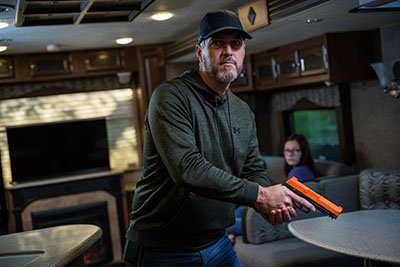
Everyone should consider less-lethal deterant options to secure their home and family.
There’s an old adage in the firearm community that explains it like this, “two is one, and one is none.” Buy at least one spare of whatever you decide to use.

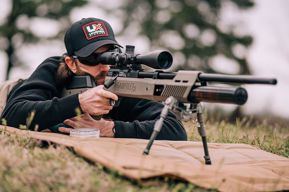
The Umarex Komplete has been a game changer for the airgun industry, making PreCharged Pneumatic airguns much more affordable.
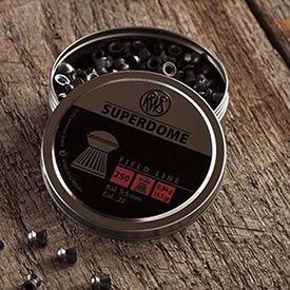
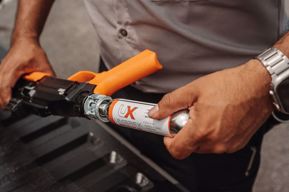
Air rifles are a great non-firearm option for hunting. Today’s airguns are not the airguns that we grew up with. Pre-charged pneumatic airguns can produce incredible power by using highly compressed air. Umarex has even simplified the Pre-Charged Pneumatic air rifle game with their Komplete® pellet rifle. This rifle uses a pre-filled single-use NitroAir Cartridge that holds 32 grams of Nitrogen at 3,600 psi. These cartridges can be stored indefinitely in cool, dry conditions. This will give you well over 40 regulated shots per cartridge. NitroAir® cartridges can also be used to top off other PCP air rifles with the help of a special fill adapter that will allow the NitroAir® cartridge to be attached to airguns that use 5/8ths -18 threads.
If either a PCP or NitroAir® rifle aren’t for you, don’t dismiss a good old fashioned break barrel like the Umarex Emerge or underlever pellet rifle like the Umarex Synergis Elite. These rifles are easy to load, use, and great for small game hunting.
Conclusion
Whatever steps you take in making your family better equipped to handle the next emergency, make sure you customize your gear for the area you live in. In some places it might be wise to physically store more water, like the Desert Southwest, or, if you were located on the Gulf Coast, a chainsaw should be high on the priority list for you. Being unprepared for disruptions to the smooth and easy stasis we are accustomed to is, unfortunately, status quo for much of the population. I think it’s ok to prepare for less than ideal conditions without painting yourself or others with the “prepper” or “survivalist” label. Really, being prepared for the power to go out, a wildfire to consume everything in its path, or a flood to wash it all away is not the stuff of wacko’s and conspiracy theorists. It’s a fact of life that millions of Americans deal with every year. And every year, some people are better prepared for these events than others. It’s ok to be a prepper, or whatever you want to call it. If you are looking to dive deeper into "prepping", check out Wranglerstar on Youtube or Recoil Magazines deeper dive into preparedness here.
Mark Davis, avid outdoorsman, family man, and outdoors writer is the eCommerce Marketing Manager for Umarex USA.