



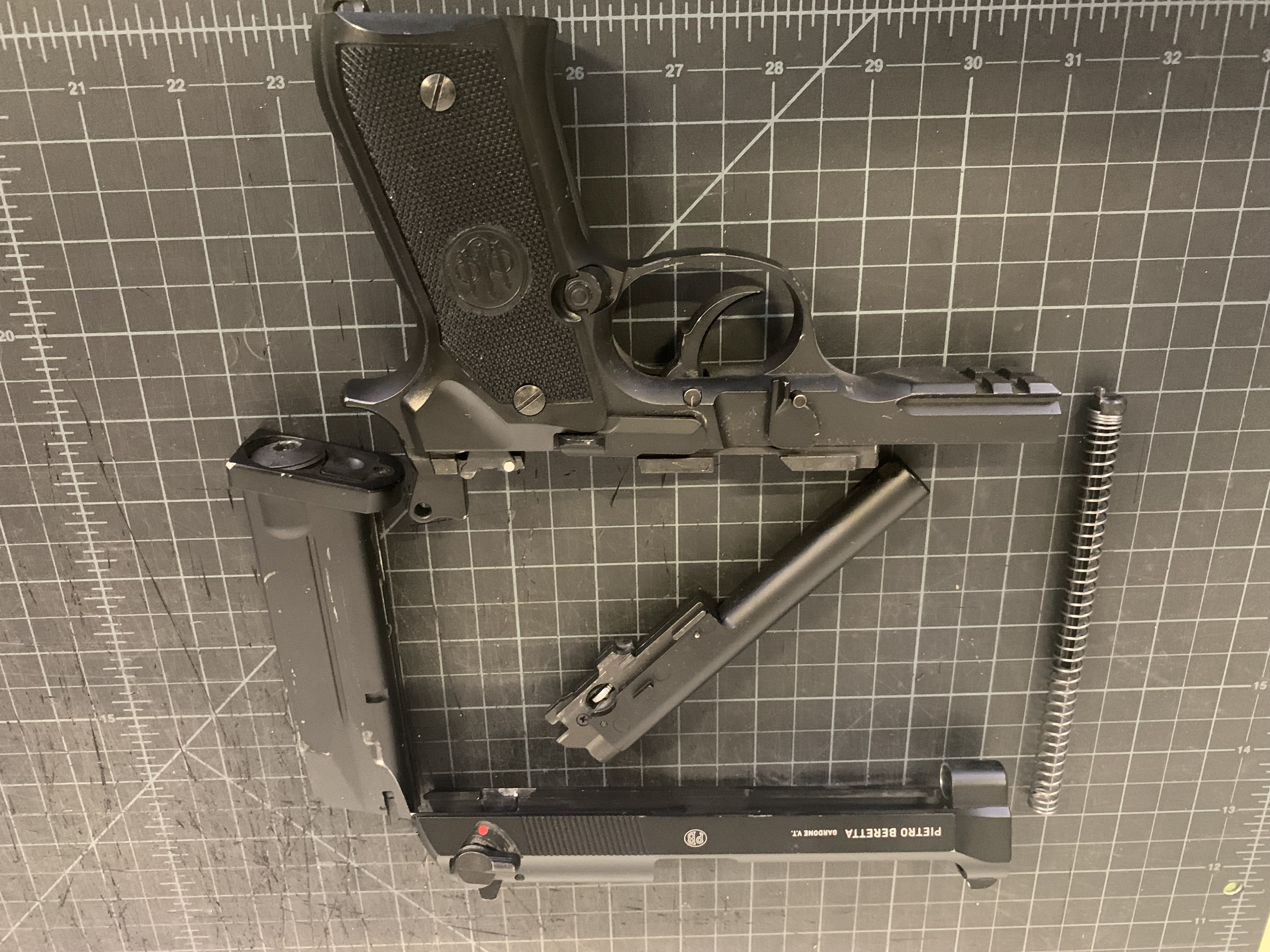
Quick Answer: Air Pistol Maintenance
Air pistol maintenance involves keeping the pistol clean, properly lubricated, and safely stored so it continues to perform reliably and maintain accuracy. Most air pistols require only minimal routine care, including wiping down the exterior after use, occasionally cleaning the barrel, and applying small amounts of airgun-rated lubricant to seals or moving parts.
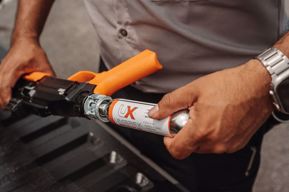
CO₂ air pistols benefit from placing a small drop of airgun oil on the tip of the CO₂ cartridge before installation, which helps keep internal seals lubricated and prevents air leaks. Removing the cartridge after shooting sessions also helps protect seals from long-term pressure.
With proper care, most air pistols can remain accurate and reliable for many years of recreational shooting and training.
Air pistols are generally simpler to maintain than traditional firearms because they do not produce gunpowder residue or combustion fouling. However, they still contain mechanical parts, seals, valves, and barrels that benefit from proper care.
Routine maintenance helps ensure that your air pistol:
• maintains consistent velocity
• preserves shooting accuracy
• prevents air leaks and seal damage
• operates reliably during long shooting sessions
Fortunately, maintaining an air pistol typically requires only a few simple habits and occasional inspection.
If you want a broader introduction to air pistols and how they work, see our complete guide:
Air Pistols 101: BB vs Pellet Pistols, Power, Accuracy, and How to Choose the Right One
https://www.umarexusa.com/air-pistols-101-guide
Who This Guide Is For
This guide is designed for air pistol owners who want to keep their equipment operating reliably and safely.
It is especially useful for:
• beginners learning how to care for their first air pistol
• backyard shooters practicing target shooting
• firearm owners using air pistols for training
• airgun enthusiasts maintaining precision shooting equipment
Proper maintenance improves both performance and equipment lifespan.
Why Air Pistol Maintenance Matters
Although airguns require less maintenance than firearms, neglecting basic care can lead to several problems.
Common issues caused by poor maintenance include:
• reduced shooting accuracy
• inconsistent velocity
• damaged seals or air leaks
• corrosion or debris buildup
Because airguns rely on compressed air systems and seals, protecting these components is particularly important.
Airgun maintenance also helps ensure that internal parts continue to operate smoothly and consistently.
The Four Core Areas of Air Pistol Maintenance
Air pistol maintenance generally focuses on four key areas.
|
Maintenance Area |
Why It Matters |
|
External cleaning |
Prevents corrosion and dirt buildup |
|
Barrel care |
Helps maintain accuracy |
|
Seal lubrication |
Protects valves and O-rings |
|
Proper storage |
Prevents long-term environmental damage |
Focusing on these areas ensures that the air pistol remains reliable and accurate.
Routine Cleaning After Shooting
One of the simplest maintenance habits is wiping down the pistol after each shooting session.
A soft cloth can remove:
• fingerprints
• moisture
• dust and debris
• oils from the skin
Removing fingerprints is especially important because natural oils from the skin can cause corrosion on metal surfaces over time.
Regular exterior cleaning helps preserve both the appearance and functionality of the pistol.
Barrel Cleaning and Accuracy
Air pistol barrels typically require far less cleaning than firearm barrels because airguns do not produce powder fouling.
In fact, excessive cleaning may sometimes reduce accuracy because a thin layer of lead from pellets can help stabilize projectile flight in rifled barrels.
Most airgun experts recommend cleaning the barrel only when:
• accuracy begins to decline
• debris enters the barrel
• switching between pellet types
Barrels can be cleaned using:
• cleaning pellets
• pull-through cleaning cords
• soft cleaning rods with patches
Cleaning should ideally be performed from the breech end to protect the barrel crown.
CO₂ Cartridge Care
CO₂-powered air pistols require a few specific maintenance practices.
One important habit is applying a small drop of airgun oil to the tip of the CO₂ cartridge before installation. This oil lubricates internal seals as the cartridge is punctured.
This lubrication helps:
• maintain seal integrity
• prevent gas leaks
• extend the lifespan of O-rings
It is also recommended to remove CO₂ cartridges after shooting sessions, especially if the pistol will not be used for extended periods. Leaving a cartridge installed keeps constant pressure on the seals and may cause premature wear.
Lubrication and Seal Protection
Air pistols contain several seals and moving parts that occasionally require lubrication.
However, it is important to use lubricants specifically designed for airguns.
Petroleum-based oils can damage synthetic seals used in many air pistols.
Common lubrication points include:
• valve seals
• pivot points
• CO₂ cartridge interfaces
• O-rings and internal seals
Only small amounts of lubricant should be used. Excess oil can attract dust or interfere with internal mechanisms.
Maintenance for Different Air Pistol Power Systems
Different air pistol designs have slightly different maintenance requirements.
CO₂ Air Pistols
Maintenance priorities include:
• lubricating seals during cartridge installation
• removing cartridges after use
• keeping the cartridge compartment clean
CO₂ pistols are generally easy to maintain and require minimal internal servicing.
Spring Piston Air Pistols
Spring piston pistols generate power using a mechanical spring and piston assembly.
Maintenance usually involves:
• occasional lubrication of piston seals
• inspecting moving parts
• keeping the barrel clean
These pistols are durable and typically require little maintenance.
PCP Air Pistols
Pre-charged pneumatic pistols store compressed air in a reservoir.
Maintenance considerations include:
• protecting fill ports from dirt
• keeping air reservoirs dry
• maintaining fill probes and O-rings
These pistols are designed for consistent performance and usually require minimal routine lubrication.
To learn more about these systems, see:
CO₂ vs Spring vs PCP Air Pistols: Power Systems Explained
https://www.umarexusa.com/co2-vs-spring-vs-pcp-air-pistols
Maintenance Frequency Guide
Most air pistols require only occasional maintenance.
A simple routine helps ensure reliable operation.
Typical maintenance intervals include:
• wiping the exterior after each shooting session
• inspecting seals every few hundred shots
• applying airgun oil to CO₂ cartridges during installation
• cleaning the barrel only when accuracy noticeably declines
Because airguns do not produce powder residue, frequent barrel cleaning is usually unnecessary.
Common Air Pistol Maintenance Mistakes
Avoiding common mistakes helps prevent damage to internal components.
Some mistakes include:
• using petroleum-based oils that may damage seals
• over-lubricating internal parts
• leaving CO₂ cartridges installed for long periods
• using firearm solvents inside airgun barrels
Using airgun-specific cleaning tools and lubricants helps protect the internal components of the pistol.
Troubleshooting Common Air Pistol Problems
Air pistols often provide clear signs when maintenance is needed.
Common issues include:
Reduced Velocity
This may be caused by worn seals, depleted CO₂ cartridges, or air leaks.
Air Leaks
Air leaks are often caused by dry or damaged O-rings.
Loss of Accuracy
Accuracy issues may occur if the barrel becomes dirty or if inconsistent ammunition is used.
Routine inspection and proper lubrication can often resolve these problems.
Proper Storage for Air Pistols
Proper storage is an important part of long-term maintenance.
Air pistols should be stored:
• in a cool, dry environment
• away from excessive humidity
• inside protective cases or cabinets
Avoid storing the pistol in damp environments that may cause corrosion.
Proper storage protects internal components and ensures the pistol remains ready for future shooting sessions.
Maintenance Tools Every Air Pistol Owner Should Have
A small set of maintenance tools can make routine care easier.
Helpful tools include:
• airgun cleaning rods or pull-through cords
• soft cleaning patches
• airgun-rated lubricant
• microfiber cleaning cloth
These tools allow shooters to perform quick maintenance whenever needed.
Key Takeaways for Air Pistol Maintenance
Maintaining an air pistol is straightforward when a few basic habits are followed.
Important maintenance practices include:
• wiping the pistol clean after shooting
• occasionally cleaning the barrel
• lubricating seals and moving parts
• caring for CO₂ cartridges properly
• storing the pistol in a dry environment
These simple practices help preserve accuracy, reliability, and equipment lifespan.
Frequently Asked Questions
How often should you clean an air pistol?
Air pistols typically require only occasional barrel cleaning, usually when accuracy begins to decline or debris enters the barrel.
Can you leave a CO₂ cartridge in an air pistol?
It is generally recommended to remove CO₂ cartridges after shooting sessions because prolonged pressure can wear out internal seals.
What type of oil should be used for air pistols?
Airgun-specific lubricants or silicone oils should be used. Petroleum oils may damage seals in some airguns.
Do air pistols require frequent maintenance?
Most air pistols require very little maintenance beyond occasional cleaning, lubrication, and proper storage.
Works Cited
Pyramyd Air. Airgun Maintenance and Care.
https://www.pyramydair.com
Airgun Depot. Maintaining CO₂ and PCP Airguns.
https://www.airgundepot.com
Stoeger Industries. Airgun Cleaning and Maintenance.
https://stoegerindustries.com