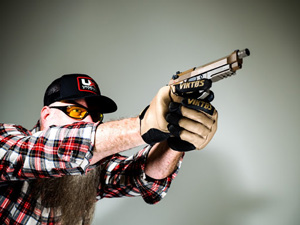
An air pistol is a handgun-style airgun that uses compressed air or gas instead of gunpowder to propel a projectile. Most air pistols fire either steel BBs or diabolo-shaped pellets, typically in .177 caliber.
BB pistols are commonly used for recreational shooting and firearm-style training because they often replicate real handguns. Pellet pistols generally offer greater accuracy because they fire aerodynamic pellets through rifled barrels.
Air pistols are powered by several mechanisms, including CO₂ cartridges, spring piston systems, multi-pump designs, and pre-charged pneumatic (PCP) reservoirs, each offering different advantages in convenience, power, and precision.
For beginners, air pistols provide an accessible way to learn shooting fundamentals, practice safely, and enjoy recreational target shooting.
• What Is an Air Pistol
• BB Pistols vs Pellet Pistols
• How Air Pistols Are Powered
• Understanding Air Pistol Accuracy
• Choosing the Right Air Pistol for Your Needs
• Airgun Ammunition Explained
• Air Pistol Safety Basics
• Frequently Asked Questions
For More Help with Terminology, see our Airgun Glossary Here
An air pistol is a compact airgun designed to be fired with one hand in the same manner as a traditional handgun. Instead of burning gunpowder like a firearm, air pistols use compressed gas or mechanical compression of air to propel a small projectile down the barrel.
Modern air pistols are widely used for:
• recreational shooting and backyard plinking
• marksmanship training
• competitive target shooting
• firearm practice with realistic replicas
Air pistols produce far less recoil and noise than firearms, making them excellent tools for developing shooting fundamentals such as sight alignment, trigger control, and follow-through.
According to the National Shooting Sports Foundation, airguns are often recommended as an introductory platform for new shooters because they allow safe, affordable practice while reinforcing responsible gun handling habits.
One of the most common questions for new shooters is whether to buy a BB pistol or a pellet pistol. Although the two categories may appear similar at first glance, they differ significantly in projectile design, barrel construction, and accuracy potential. If you want a more in-depth article, learn more in our detailed comparison of BB vs pellet pistols.
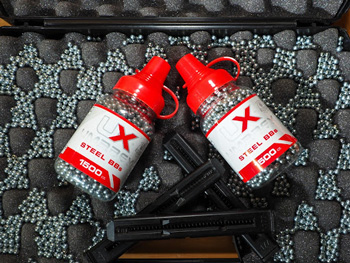
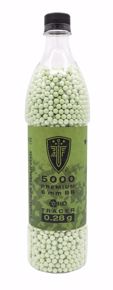
BB pistols fire round steel BBs, typically measuring 4.5 mm (.177 caliber). These projectiles are made from steel and are usually copper or zinc plated to reduce corrosion.
Many BB pistols are designed to replicate the look and feel of real firearms, including:
• semi-automatic operation
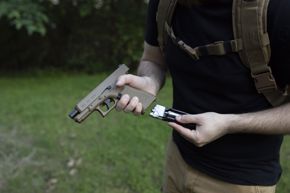
• removable magazines
• blowback slides
• realistic weight and controls
Because steel BBs are hard and spherical, they generally cannot engage rifling in the same way that pellets can. For this reason, many BB pistols use smoothbore barrels, which are optimized for casual target shooting rather than extreme precision.
BB pistols are especially popular for:
• backyard plinking
• firearm training drills
• high-capacity recreational shooting
Their ammunition is inexpensive and widely available, making them a practical choice for shooters who want to practice frequently.
Pellet pistols fire diabolo-style pellets, which are shaped with a narrow waist and hollow skirt. This distinctive design stabilizes the pellet in flight and allows it to engage the rifling inside the barrel.
When fired, the pellet’s skirt expands slightly under air pressure, sealing against the barrel walls and improving efficiency. The rifling then spins the pellet, which stabilizes its flight path and increases accuracy.
Because of these characteristics, pellet pistols are widely used for:
• precision target shooting
• competitive air pistol disciplines
• advanced marksmanship training
The International Shooting Sport Federation (ISSF) specifies .177 caliber pellet pistols for Olympic air pistol events due to their precision and consistency.
|
Feature |
BB Pistols |
Pellet Pistols |
|
Projectile |
Steel BBs |
Lead or alloy pellets |
|
Barrel type |
Usually smoothbore |
Rifled |
|
Accuracy |
Moderate |
High |
|
Magazine capacity |
Often high |
Usually lower |
|
Typical use |
Plinking, training replicas |
Target shooting |
|
Best for |
Recreational shooting |
Precision shooting |
Both types of air pistols have their place. BB pistols emphasize convenience and realism, while pellet pistols prioritize precision.
Air pistols are available in several different designs that determine how they generate the compressed air needed to propel the projectile. These designs are often referred to as types of air pistols, and each system offers different advantages depending on the shooter’s needs.
The four most common types of air pistols include CO₂-powered pistols, spring piston pistols, multi-pump pneumatic pistols, and pre-charged pneumatic pistols.
Understanding these systems helps shooters choose the right air pistol for their intended use, whether that involves casual backyard shooting, firearm training, or precision target practice. For a deeper breakdown, see our complete guide to CO₂ vs spring vs PCP air pistols.
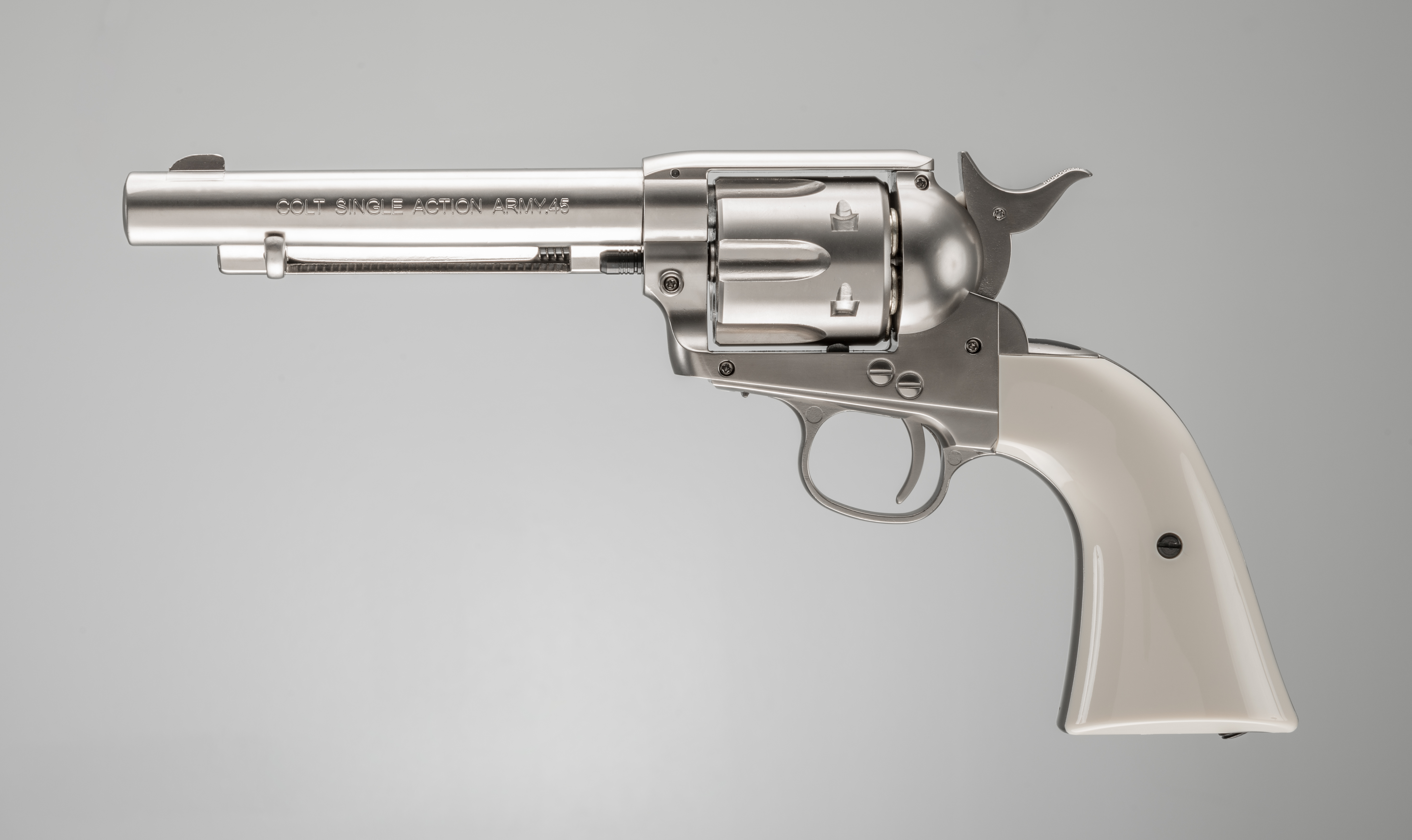
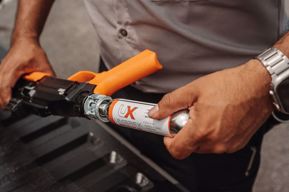
CO₂ air pistols use small disposable carbon dioxide cartridges to power each shot. These cartridges typically contain 12 grams of compressed CO₂ and are installed directly into the pistol’s grip or magazine.
When the trigger is pulled, a valve releases a controlled burst of gas that propels the projectile down the barrel.
CO₂ air pistols are among the most popular types because they offer several advantages:
• simple operation for beginners
• semi automatic shooting capability
• consistent performance for recreational shooting
• realistic handgun style designs
Many CO₂ air pistols are designed to replicate the look and feel of real firearms, which makes them useful tools for practicing shooting fundamentals.
Spring piston air pistols use a mechanical spring and piston system to compress air inside the chamber. When the pistol is cocked, the spring is compressed and held under tension.
Pulling the trigger releases the spring, which drives the piston forward and compresses air behind the projectile. This compressed air then propels the BB or pellet through the barrel.
Spring piston pistols offer several benefits:
• they do not require gas cartridges
• they provide consistent mechanical power
• they are durable and reliable
However, these pistols typically require manual cocking before each shot and produce a small recoil impulse due to the moving internal components.
Multi-pump air pistols allow the shooter to compress air manually by pumping a lever multiple times before firing.
Each pump increases the air pressure stored inside the pistol, which means the shooter can control the power level by adjusting the number of pumps used before firing.
Advantages of multi-pump pistols include:
• adjustable power levels
• no need for CO₂ cartridges
• efficient use of compressed air
These pistols are often valued for their versatility and reliability, particularly for target shooting applications.
Pre-charged pneumatic air pistols store compressed air in a high pressure reservoir that is filled using a hand pump, scuba tank, or compressor.
When the trigger is pulled, a precisely measured burst of compressed air propels the pellet down the barrel.
PCP air pistols are widely regarded as the most advanced type of air pistol because they offer:
• extremely consistent velocity
• minimal recoil
• exceptional accuracy potential
These characteristics make PCP pistols the preferred choice for competitive air pistol shooting, including Olympic style events governed by the International Shooting Sport Federation.
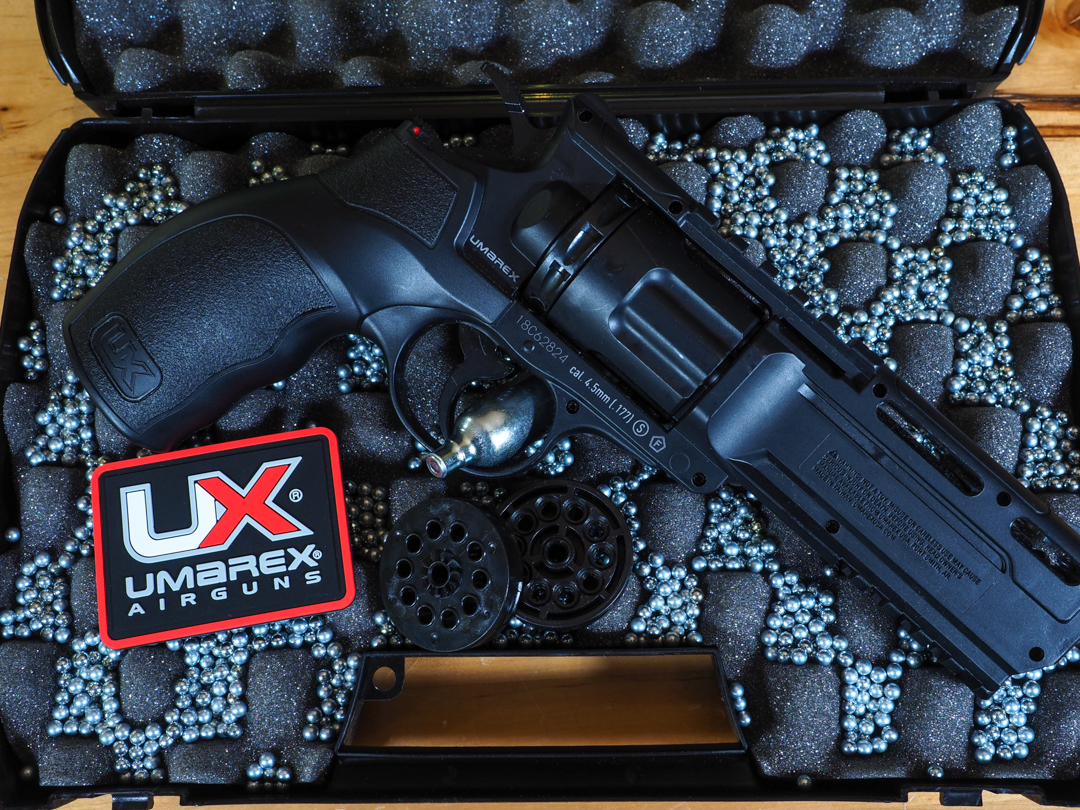
Accuracy is one of the most important considerations when choosing an air pistol. Whether you are practicing in the backyard or working on marksmanship fundamentals, the ability to place shots consistently on target is what separates a good air pistol from a great one.
Several factors influence air pistol accuracy, including barrel design, projectile type, velocity consistency, and the shooter’s technique. Even small changes in these variables can affect how tightly shots group on a target.
Improving accuracy also depends heavily on shooting fundamentals such as grip, sight alignment, and trigger control. For a deeper look at these techniques, see our Guide to Air Pistol Accuracy Tips.
Understanding how these elements interact will help you get the most performance out of any air pistol.
One of the most important contributors to air pistol accuracy is the barrel itself.
Most pellet pistols use rifled barrels, which contain spiral grooves that spin the projectile as it travels down the barrel. This spin stabilizes the pellet in flight and allows it to maintain a predictable trajectory toward the target.
Rifling works in the same fundamental way as it does in firearms. By imparting rotational spin, the projectile becomes gyroscopically stabilized, reducing wobble and improving shot consistency.
BB pistols, by contrast, often use smoothbore barrels. Because steel BBs are spherical and made from hard metal, they do not interact with rifling in the same way as pellets. Smoothbore barrels allow BBs to travel through the barrel without excessive friction, but they generally sacrifice some precision compared with rifled designs.
For shooters seeking the highest level of accuracy, pellet pistols with quality rifled barrels typically deliver the best results.
The shape of the projectile also plays a significant role in accuracy.
Pellets are designed with a distinctive diabolo shape, which includes a narrow waist and a hollow skirt. This shape creates aerodynamic drag that stabilizes the pellet during flight while the skirt expands slightly upon firing to form a tight seal in the barrel.
This combination of rifling engagement and aerodynamic stabilization allows pellets to maintain a consistent flight path.
Steel BBs, on the other hand, are perfectly spherical. While they work well for casual target shooting and plinking, their round shape does not stabilize in the same way as a pellet. As a result, BB pistols are typically less precise at longer distances.
For shooters focused on tight shot groups and precision target shooting, pellets are generally the preferred projectile.
Air pistol performance is often described in terms of velocity, which is measured in feet per second (FPS). Most air pistols fire projectiles between 300 and 500 FPS, though some higher powered models may exceed 600 FPS.
Velocity influences several aspects of performance, including trajectory, penetration, and effective range. A faster projectile generally travels along a flatter trajectory, which can make aiming easier at longer distances.
However, maximum velocity alone does not determine accuracy. In many cases, consistent velocity from shot to shot is more important than raw speed.
If each shot leaves the barrel at slightly different speeds, the projectile may strike higher or lower on the target. This variation is often called vertical dispersion.
Higher-end air pistols sometimes incorporate regulated air systems or carefully engineered valves to ensure consistent air pressure and repeatable shot velocity. This consistency is one of the reasons precision pellet pistols can produce extremely tight shot groups.
Two additional factors that influence practical accuracy are the sighting system and the trigger mechanism.
Many air pistols use fixed iron sights, which provide a simple and reliable aiming reference. Some models include adjustable rear sights that allow shooters to fine tune elevation and windage for their preferred shooting distance.
Higher-end target pistols may include precision adjustable sights designed specifically for competitive shooting.
Trigger quality also plays a major role in accuracy. A smooth, predictable trigger pull allows the shooter to fire without disturbing the sight alignment. If the trigger is heavy or inconsistent, it can cause the muzzle to shift just before the shot breaks.
For this reason, competitive air pistols often feature finely tuned trigger systems that provide a clean and consistent release.
Even the most accurate air pistol will only perform as well as the shooter operating it.
Fundamental shooting technique is essential for producing consistent results. Key principles include:
• maintaining a stable and repeatable grip
• aligning the front and rear sights carefully
• pressing the trigger smoothly without jerking
• following through after the shot breaks
The U.S. Army Marksmanship Unit emphasizes that sight alignment and trigger control are the two most critical elements of accurate shooting. When these fundamentals are practiced consistently, shooters can dramatically improve their performance even with basic equipment.
Air pistols are generally designed for short to moderate shooting distances. Within these ranges they can deliver excellent accuracy when paired with proper technique.
Typical distances include:
• BB pistols: approximately 15 to 25 feet
• pellet pistols: approximately 25 to 50 feet
• competition air pistols: typically used at 10 meters (about 33 feet)
The 10 meter distance is the official standard used in Olympic air pistol competitions governed by the International Shooting Sport Federation.
Within these distances, high-quality pellet pistols can produce remarkably tight shot groups, making them popular for both recreational target shooting and formal marksmanship training.
Choosing the right ammunition is one of the most important factors in air pistol performance. The type of projectile used can influence accuracy, consistency, and the overall shooting experience.
Most air pistols fire either steel BBs or lead pellets, both of which are typically .177 caliber (4.5 mm). Although they may appear similar at first glance, these projectiles behave very differently in flight and are designed for different purposes.
Understanding the strengths and limitations of each ammunition type helps shooters select the right option for recreational shooting, training, or precision target practice.
BBs are small spherical steel projectiles commonly used in BB pistols. They are typically made from steel and coated with copper or zinc to reduce corrosion and improve feeding reliability.
BB pistols are widely used for recreational shooting because BBs offer several practical advantages:
• low cost per shot
• reliable feeding in high-capacity magazines
• durable steel construction
• compatibility with many semi-automatic air pistols
Because of their round shape, BBs do not engage rifling in the same way that pellets do. Many BB pistols therefore use smoothbore barrels designed specifically for steel projectiles.
While BBs are excellent for casual target shooting and plinking, their spherical shape can lead to slightly less predictable flight paths at longer distances. For this reason, BB pistols are generally best suited for shooting distances of 15 to 25 feet.
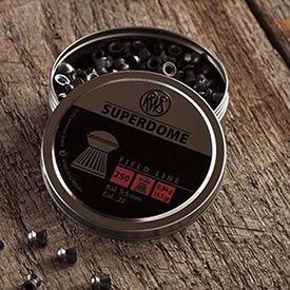
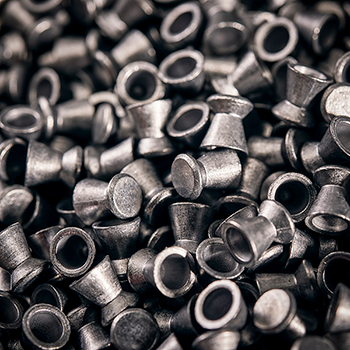
Pellets are the most common ammunition used in pellet air pistols and air rifles. Unlike BBs, pellets feature a distinctive diabolo shape, which includes a narrow waist and hollow skirt.
This shape provides several important advantages for accuracy:
• the hollow skirt expands slightly when fired, creating a tight seal in the barrel
• the projectile engages the rifling, which spins the pellet for stability
• aerodynamic drag keeps the pellet oriented nose-forward during flight
These characteristics allow pellet pistols to produce tighter shot groups than most BB pistols, particularly at longer distances.
Pellets are also available in a variety of shapes designed for different shooting purposes.
Wadcutter pellets have a flat front surface and are commonly used for target shooting. Their flat nose cuts a clean circular hole in paper targets, which makes scoring easier during competitions or practice sessions.
Because wadcutters create more aerodynamic drag, they are typically used at shorter distances, such as the 10-meter range used in Olympic air pistol shooting.
Domed pellets, sometimes called round-nose pellets, are among the most versatile pellet designs. Their curved front profile provides better aerodynamic efficiency, allowing them to maintain stable flight over longer distances.
For many shooters, domed pellets offer an excellent balance of accuracy and consistency, making them a popular choice for general target shooting and backyard practice.
Hollow point pellets feature a small cavity at the front of the projectile. This design can allow the pellet to expand upon impact, which increases energy transfer.
These pellets are sometimes chosen for certain airgun applications where impact performance is important.
Pointed pellets have a tapered tip designed to increase penetration. While they may offer deeper penetration into certain targets, they are not always the most accurate pellet type because their shape can make them more sensitive to minor manufacturing variations.
For precision shooting, many shooters still prefer wadcutter or domed pellets.
In addition to shape, pellet weight can also influence performance. Pellets are available in a range of weights, typically measured in grains.
Heavier pellets tend to retain energy well and may perform better in higher-powered airguns, while lighter pellets often produce slightly higher velocities.
Because every air pistol is slightly different, experienced shooters often test several pellet types and weights to determine which ammunition produces the tightest shot groups.
According to airgun testing data from Pyramyd Air, variations in pellet shape and weight can significantly influence ballistic performance and shot grouping, even when fired from the same air pistol.
For most air pistol shooters, the best ammunition depends on the intended use.
BB pistols paired with steel BBs are ideal for casual plinking and recreational shooting. Pellet pistols paired with quality pellets generally deliver better precision and are preferred for target shooting.
Experimenting with different pellet types is often the best way to determine which ammunition performs best in a specific air pistol.
With so many options available, selecting the right air pistol depends on your intended use.
With so many air pistols available today, selecting the right one often depends on how you plan to use it. Some shooters are looking for a simple pistol for backyard plinking, while others want a realistic training platform that mimics the feel and controls of a real firearm. Understanding your intended use will help narrow down the options and ensure you choose an air pistol that fits your goals.
For Backyard Target Shooting and Recreational Plinking
For many shooters, the primary appeal of an air pistol is simple recreational shooting. Backyard target practice, informal plinking, and reactive targets are some of the most common ways people enjoy air pistols.
CO₂-powered BB pistols are often ideal for this type of shooting because they are simple to operate, require minimal setup, and allow quick follow-up shots. Their magazine-fed design and semi-automatic operation make them convenient and enjoyable for casual shooting sessions.
If you are new to air pistols, our guide to the best air pistols for backyard target shooting explains which models are well suited for recreational plinking and beginner-friendly practice:
https://www.umarexusa.com/best-air-pistols-for-backyard-shooting-a-beginner-friendly-guide
Several popular models designed for backyard shooting include:
• Marlin Revolver CO₂ Powered BB Gun
https://www.umarexusa.com/marlin-revolver-co2-powered-bb-gun-2251701
• Legends M712 .177 BB Pistol
https://www.umarexusa.com/legends-m712-177-black
• Colt Python 6-inch CO₂ BB Revolver
https://www.umarexusa.com/colt-6-inch-python-177-c02-black
These pistols combine reliable performance with straightforward operation, making them excellent options for shooters who want an affordable and enjoyable backyard shooting experience.
For Firearm Training and Skill Development
Many shooters also use air pistols as training tools to practice handgun fundamentals. Because air pistols produce very little recoil and use inexpensive ammunition, they allow shooters to train frequently while focusing on core marksmanship skills.
Realistic air pistol replicas are designed to mimic the handling characteristics of real firearms, including grip ergonomics, trigger feel, and magazine operation. This allows shooters to practice essential skills such as:
• consistent grip and stance
• sight alignment and sight picture
• trigger control and follow-through
• safe firearm handling
Training with an air pistol can be especially useful in controlled environments such as a backyard range or indoor shooting area.
Examples of training-oriented air pistols include:
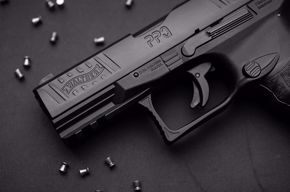
• Walther PPQ .177 CO₂ Pellet Pistol
https://www.umarexusa.com/walther-ppq-177-co2-pellet-pistol-20-round-belt-magazine
• Heckler & Koch VP9 Blowback BB Pistol
https://www.umarexusa.com/heckler-koch-vp9-bb-gun-177-blowback
• Smith & Wesson M&P 9 M2.0 BB Air Pistol
https://www.umarexusa.com/smith-wesson-mp-9-m20-bb-gun-air-pistol-2255004
• Beretta PX4 Storm CO₂ Air Pistol
https://www.umarexusa.com/beretta-px4-storm
These models offer realistic controls and shooting characteristics, allowing shooters to develop confidence and consistency while practicing with an air-powered platform.
For Precision Target Shooting
If your primary goal is accuracy, pellet pistols with rifled barrels are usually the best option. Pellets engage the rifling inside the barrel and stabilize in flight, which helps produce tighter shot groupings compared with most BB pistols.
Precision shooting is often practiced at distances of around 10 meters, which is the standard distance used in Olympic air pistol competitions governed by the International Shooting Sport Federation.
Shooters focused on precision often look for features such as:
• adjustable sights for fine-tuning aim
• smooth and predictable trigger pulls
• consistent velocity from shot to shot
• high-quality rifled barrels
Pellet pistols designed for accuracy can be extremely rewarding for shooters who enjoy developing marksmanship skills and producing tight shot groups on target.
For Beginners
New shooters should prioritize air pistols that are simple to operate and easy to maintain. A good beginner air pistol should allow the shooter to focus on learning fundamentals without complicated setup or excessive recoil.
Features beginners often appreciate include:
• straightforward CO₂-powered operation
• manageable cocking effort
• safe backyard shooting capability
• affordable ammunition
For many first-time shooters, CO₂-powered BB or pellet pistols offer an excellent balance of convenience, reliability, and performance. As skills improve, shooters may choose to explore additional air pistol types such as multi-pump or PCP pistols that offer greater precision and customization.
Air pistols must always be handled with the same respect and safety practices as firearms.
Fundamental safety rules include:
• always treat every airgun as if it were loaded
• keep the muzzle pointed in a safe direction
• keep your finger off the trigger until ready to shoot
• use a safe backstop when shooting
The National Rifle Association emphasizes that these safety rules apply to all firearms and airguns.
When choosing an air pistol, it is helpful to start with models designed for reliability, accuracy, and ease of use.
Explore the full lineup of Umarex air pistols here:
https://www.umarexusa.com/pistols
Popular categories include:
• CO₂ BB pistols designed for recreational shooting and firearm-style training
• pellet air pistols built for accuracy and target shooting
• competition air pistols designed for precision shooting disciplines
What Is a BB Pistol?
A BB pistol is an air pistol designed to fire spherical steel BBs, typically measuring 4.5 mm (.177 caliber). BB pistols often feature smoothbore barrels and are commonly used for recreational shooting, plinking, and firearm-style training due to their high-capacity magazines and realistic operation.
What Is a Pellet Pistol?
A pellet pistol is an air pistol that fires diabolo-shaped pellets designed for aerodynamic stability and accuracy. Pellet pistols typically use rifled barrels that spin the projectile, allowing them to produce tighter shot groups than most BB pistols.
What Is a CO₂ Air Pistol?
A CO₂ air pistol is an airgun powered by compressed carbon dioxide stored in disposable cartridges. When the trigger is pulled, a valve releases gas pressure that propels the projectile down the barrel.
What Is a PCP Air Pistol?
A pre-charged pneumatic (PCP) air pistol uses compressed air stored in a high-pressure reservoir. PCP pistols are known for exceptional accuracy and are commonly used in competitive air pistol shooting.
What Is Airgun Plinking?
Plinking refers to informal recreational shooting at small targets such as cans, steel plates, or reactive targets. Air pistols are commonly used for plinking because they are affordable, low recoil, and easy to shoot in controlled environments.
Most air pistols are chambered in .177 caliber (4.5 mm), which is the standard size used for both BBs and pellets. This caliber is widely used for recreational shooting and competitive air pistol events.
Yes. Pellet pistols are generally more accurate because pellets stabilize in flight and are typically fired through rifled barrels.
Are CO₂ air pistols good for beginners?
Yes. CO₂ air pistols are easy to operate, provide consistent power, and allow quick follow-up shots, making them ideal for beginner shooters.
Can you shoot an air pistol in your backyard?
In many areas backyard shooting is legal if proper safety precautions are followed, including the use of a safe backstop and compliance with local laws.
How far can an air pistol shoot accurately?
Most air pistols are designed for accurate shooting within 7–10 meters, although some pellet pistols remain accurate at longer distances.
Do air pistols require maintenance?
Yes. Routine maintenance includes cleaning the barrel, properly storing CO₂ cartridges, and periodically inspecting seals and components.
International Shooting Sport Federation. ISSF Official Rules and Regulations.
https://www.issf-sports.org
National Rifle Association. Gun Safety Rules.
https://gunsafetyrules.nra.org
National Shooting Sports Foundation. Airguns and Youth Shooting Programs.
https://www.nssf.org
Pyramyd Air. Airgun Pellet Guide.
https://www.pyramydair.com