The Umarex Airgun Glossary explains common terminology used when discussing airguns, airsoft guns, ammunition, power systems, and shooting techniques. Whether you are new to airguns or an experienced shooter looking to refine your knowledge, understanding the terminology used in airgun shooting helps improve equipment selection, shooting accuracy, and maintenance practices.
Airguns are devices that launch projectiles using compressed air or gas rather than gunpowder, which distinguishes them from traditional firearms.
Modern airguns include a variety of platforms such as:
Airguns may be powered by several different systems, including CO₂ cartridges, spring piston mechanisms, and pre-charged pneumatic (PCP) reservoirs, all of which store compressed gas that propels the projectile when the trigger is pulled.
This glossary provides clear definitions of the most commonly used airgun terms and links to detailed explanations for each concept.
If you are new to air pistols and want a complete introduction to how they work, see our guide: Air Pistols 101: BB vs Pellet Pistols, Power, Accuracy, and How to Choose the Right One
Use the alphabetical index below to explore definitions of common airgun and shooting terms.
A device that launches a projectile using compressed air or gas rather than gunpowder. Airguns include air pistols, air rifles, and some specialty air-powered devices used for training or hunting.
Airgun Definition: An airgun is a device that launches a projectile using compressed air or gas rather than gunpowder. Airguns typically fire pellets, BBs, or other projectiles and include a variety of platforms such as air pistols, air rifles, airgun shotguns, and airsoft guns. The compressed gas that powers an airgun may come from a spring-powered piston, carbon dioxide (CO₂) cartridge, or a reservoir of compressed air known as a pre-charged pneumatic system.
Airguns are widely used for recreational shooting, target practice, training, pest control, and certain types of hunting.
Airguns operate by storing energy in compressed air or gas and releasing that energy to propel a projectile down the barrel. Unlike traditional firearms, airguns do not rely on the combustion of gunpowder to create pressure.
Most airguns generate propulsion using one of several power systems:
Spring Piston: Spring piston airguns use a mechanical spring and piston assembly. When the gun is cocked, the spring is compressed. Pulling the trigger releases the spring, forcing the piston forward and compressing air behind the projectile.
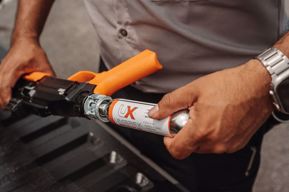
CO₂ Powered: CO₂ airguns use compressed carbon dioxide stored in small cartridges, commonly 12-gram cylinders. When the trigger is pulled, a valve releases a burst of CO₂ gas that propels the projectile.
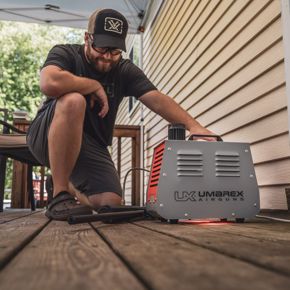
Pre-Charged Pneumatic (PCP): PCP airguns store compressed air in a high-pressure reservoir that is filled using a hand pump, compressed air tank, or electric compressor. When fired, a small amount of stored air is released to propel the projectile.
To learn more about these power systems, see: CO₂ vs Spring vs PCP Air Pistols
Airguns come in several primary forms, each designed for specific applications and shooting styles.
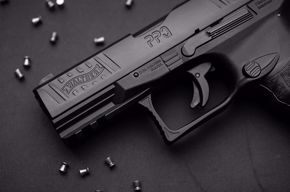
Air pistols are handheld airguns designed for target shooting, recreational shooting, and firearm training. They typically fire pellets or BBs and are commonly powered by CO₂ or spring piston systems.
Learn more: Air Pistols 101: BB vs Pellet Pistols, Power, Accuracy, and How to Choose the Right One
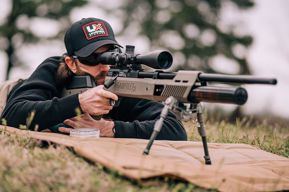
Air rifles are shoulder-fired airguns designed for greater accuracy, power, and range than most air pistols. They are commonly used for target shooting, small game hunting, and pest control.
Some airguns are designed to fire multiple projectiles or shot loads. These air-powered shotguns are often used for training or recreational shooting.
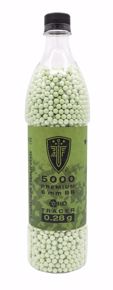
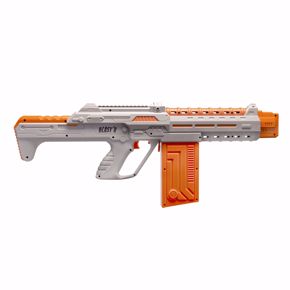
Airsoft guns are a type of air-powered replica firearm that shoots lightweight plastic BBs, typically measuring 6 millimeters in diameter. They are commonly used in airsoft games and tactical training.
Airguns typically fire one of two main types of ammunition.
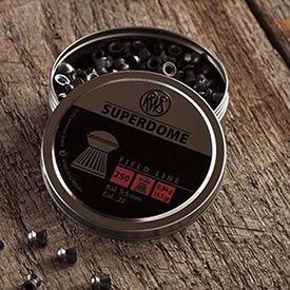
Pellets are specialized projectiles usually made from lead or alloy. Most pellets feature a diabolo shape, with a narrow waist and hollow skirt that stabilizes the projectile during flight.
BBs are small spherical projectiles typically made of steel or plastic. Steel BBs are commonly used in BB pistols and some BB rifles designed for recreational shooting.
Airguns are widely used in several shooting disciplines.
Many shooters use airguns for backyard target shooting and informal plinking because they are affordable and easy to operate.
Some airguns replicate the appearance and handling of real firearms, allowing shooters to practice trigger control, sight alignment, and safe handling techniques.
Airguns are used in several international shooting competitions, including 10-meter air pistol and air rifle events governed by organizations such as the International Shooting Sport Federation (ISSF).
Higher-powered air rifles are sometimes used for small game hunting and pest control where permitted by local regulations.
Airgun performance is commonly measured in feet per second (FPS), which indicates the velocity of the projectile as it exits the barrel.
Typical airgun velocities vary depending on the type of airgun and ammunition used, but many recreational airguns operate in the range of 300 to 1000 FPS.
The primary difference is that airguns use compressed air or gas to propel projectiles, while firearms use burning gunpowder to generate pressure.
Yes. Many airguns are capable of excellent accuracy, especially models with rifled barrels designed for pellet ammunition.
Most airguns fire pellets or BBs, although some specialized airguns may use other types of projectiles.
Yes. Airguns are used in several international shooting competitions, including Olympic air rifle and air pistol events.
A handheld airgun designed to fire pellets or BBs for recreational shooting, target practice, and firearm training.
A shoulder-fired airgun designed for increased power, accuracy, and range compared with most air pistols.
A type of air-powered replica firearm designed to shoot lightweight 6 mm plastic BBs, commonly used for recreational airsoft games and tactical training.
A small spherical projectile typically made of steel or plastic and commonly used in BB guns and BB pistols.
An air pistol designed to fire spherical steel BB ammunition, often used for recreational shooting or training drills.
A feature in some CO₂ air pistols where the slide moves backward during firing to simulate the recoil and cycling action of a semi-automatic firearm.
A type of airgun in which the barrel pivots downward to cock the internal spring piston system before firing.
The internal diameter of a barrel and the size of the projectile fired. Common airgun calibers include .177, .22, and .25.
An airgun powered by compressed carbon dioxide stored in a small cartridge or cylinder that releases gas to propel the projectile.
The most common airgun pellet design featuring a narrow waist and hollow skirt that stabilizes the projectile during flight.
A measurement of projectile velocity indicating how fast a pellet or BB leaves the barrel.
The practice of maintaining sight alignment and trigger control after a shot is fired to improve shooting consistency.
A non-spherical airgun projectile typically made from lead or alloy and designed for use in rifled barrels.
Short for Pre-Charged Pneumatic, a type of airgun that stores compressed air in a high-pressure reservoir to power multiple shots.
Informal recreational shooting at targets such as cans, steel plates, or reactive targets.
A barrel containing spiral grooves that spin the projectile as it travels down the barrel, improving stability and accuracy.
The correct positioning of the front and rear sights so they line up with the target.
The relationship between the aligned sights and the target when aiming.
A barrel without rifling grooves, commonly used in BB guns.
The amount of force required to press the trigger and fire the airgun.