
.jpg)
Quick Answer: Air Pistol Accuracy Tips
Improving air pistol accuracy depends primarily on mastering a few core shooting fundamentals: proper grip, consistent stance, correct sight alignment, smooth trigger control, controlled breathing, and follow-through. These elements work together to stabilize the pistol and ensure the projectile leaves the barrel without disturbing the sight picture.
Most accuracy problems are caused by shooter technique rather than the air pistol itself. Small issues such as jerking the trigger, inconsistent grip pressure, or improper sight alignment can significantly affect shot placement.
By focusing on these fundamentals and practicing consistently, shooters can dramatically improve their accuracy and produce tighter shot groups during backyard target practice.
Air pistols are capable of impressive accuracy when used correctly. Many pellet pistols with rifled barrels are capable of producing tight shot groups at short distances, especially within the 10-meter range commonly used in competitive air pistol shooting.
However, consistent accuracy rarely comes from equipment alone. Precision shooting is primarily a skill that develops through proper technique and repetition.
Most marksmanship training programs emphasize several fundamental shooting principles, including grip, stance, sight alignment, breathing control, and trigger operation. These elements influence how steadily the shooter holds the pistol and how cleanly the shot is released.
If you are new to air pistols and want a broader overview of how they work, see our complete guide:
Air Pistols 101: BB vs Pellet Pistols, Power, Accuracy, and How to Choose the Right One
https://www.umarexusa.com/air-pistols-101-guide
Who This Guide Is For
This guide is designed for shooters who want to improve their accuracy while using an air pistol for recreational target shooting or skill development.
It is especially useful for:
• beginners learning basic marksmanship fundamentals
• backyard shooters practicing target shooting
• firearm owners improving trigger control and sight alignment
• airgun enthusiasts working to tighten their shot groups
Whether you are shooting BB pistols for recreational plinking or pellet pistols for precision target practice, mastering the fundamentals of accuracy will dramatically improve your results.
Why Air Pistol Accuracy Depends on Technique
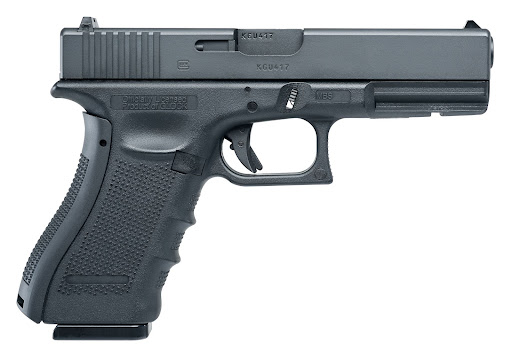
Many new shooters assume that accuracy problems are caused by the air pistol itself. In reality, most shot placement issues come from small variations in shooting technique.
Precision shooting requires consistency. Even slight movements in the hands, wrists, or trigger finger can shift the pistol off target before the projectile leaves the barrel.
Studies of precision shooting performance show that factors such as stability of hold, aiming precision, and trigger control strongly influence shot placement.
When shooters focus on mastering these fundamentals, they can significantly reduce shot dispersion and produce tighter shot groupings.
The Core Fundamentals of Accurate Air Pistol Shooting
Most shooting instructors emphasize several fundamental elements that influence pistol accuracy.
These fundamentals include:
• stance
• grip
• sight alignment
• sight picture
• trigger control
• breathing control
• follow-through
When these elements are applied consistently, the pistol remains aligned with the target as the shot is fired.
Proper Grip for Air Pistol Accuracy
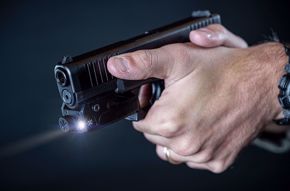
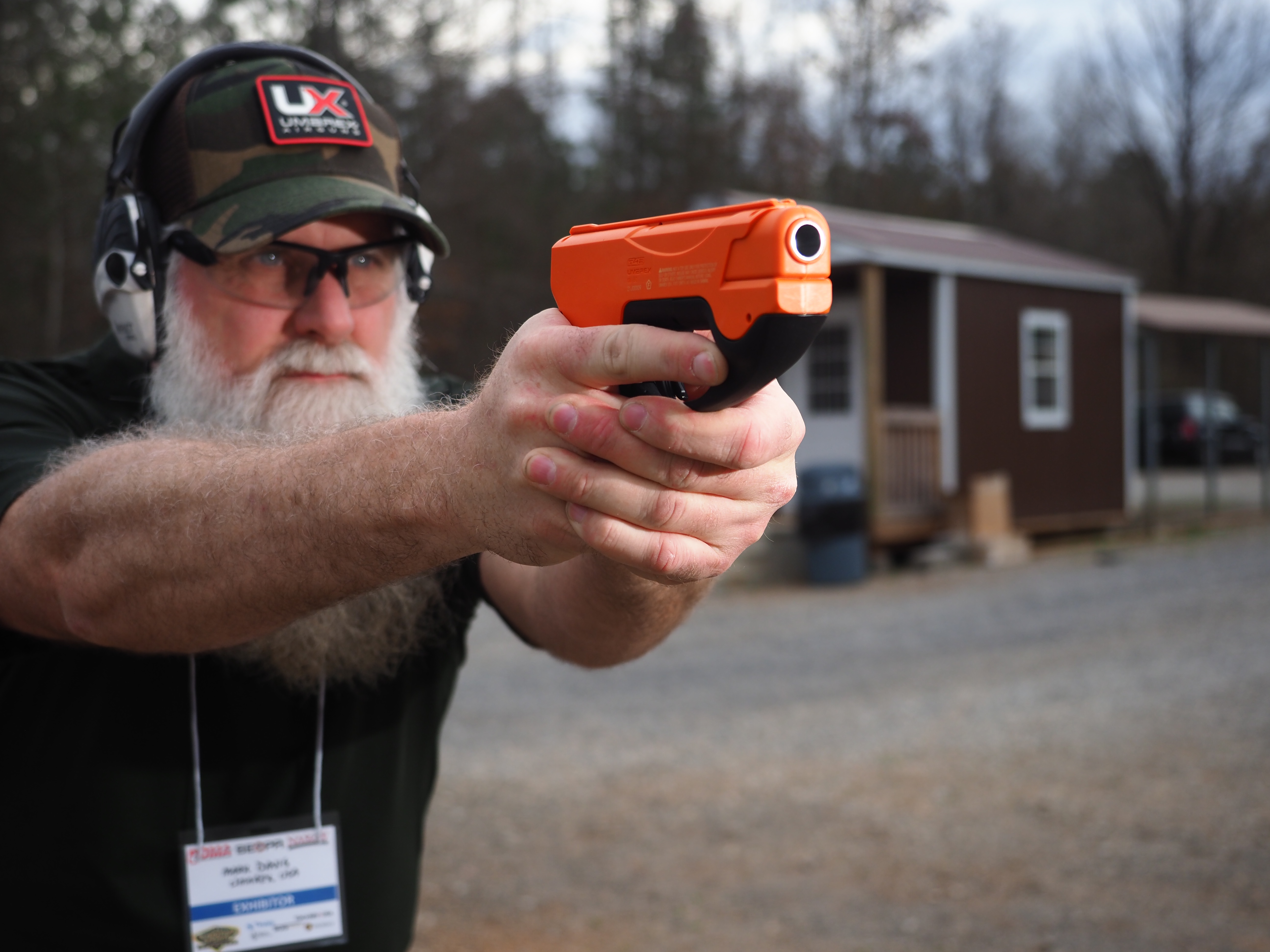
Grip is one of the most important factors affecting air pistol accuracy. A stable and consistent grip helps prevent movement during the trigger press.
A proper grip should:
• align the pistol naturally with the forearm
• maintain firm but relaxed pressure
• avoid excessive muscle tension
Over-gripping the pistol can cause shaking or fatigue, while gripping too lightly may allow the pistol to shift during firing.
Many experienced shooters focus on maintaining consistent grip pressure from shot to shot, as consistency is often more important than grip strength.
Stance and Body Position
A stable stance provides the foundation for accurate shooting.
In many air pistol disciplines, shooters stand with their body positioned slightly sideways to the target, allowing the shooting arm to extend naturally toward the target.
Key elements of a stable stance include:
• feet positioned shoulder-width apart
• balanced weight distribution
• relaxed upper body posture
• stable shooting arm position
A consistent stance helps reduce body movement and improves overall stability.
Sight Alignment and Sight Picture
Sight alignment refers to the relationship between the front sight and rear sight.
For proper alignment:
• the front sight should be centered between the rear sight posts
• equal spacing should appear on both sides of the front sight
• the top of the sights should appear level
Sight picture refers to how the aligned sights appear relative to the target.
For accurate shooting:
• the front sight should remain sharply focused
• the rear sight and target should appear slightly blurred
• the sights should remain steady during trigger press
Maintaining focus on the front sight allows shooters to detect small alignment errors before firing.
Trigger Control: The Key to Accurate Shooting
Trigger control is often considered the most important factor in accurate shooting.
Poor trigger technique can easily disrupt the sight picture and cause shots to land off target.
To improve trigger control:
• place the pad of the index finger on the trigger
• apply steady rearward pressure
• avoid jerking or slapping the trigger
The trigger should be pressed smoothly until the shot breaks, ideally without the shooter anticipating the exact moment of discharge.
A smooth trigger press ensures the pistol remains aligned with the target as the projectile leaves the barrel.
Breathing Control and Shot Timing
Breathing naturally causes small body movements that can affect accuracy.
Many shooters use a simple breathing technique:
-
take a natural breath
-
exhale partially
-
pause briefly while pressing the trigger
This pause helps minimize body movement and allows the shooter to release the shot while the pistol remains steady.
Follow-Through After the Shot
Follow-through refers to maintaining sight alignment and grip position after the shot is fired.
Many beginners lower the pistol immediately after the shot breaks. This movement can disturb the pistol before the projectile exits the barrel.
Good follow-through involves:
• maintaining the sight picture briefly after firing
• keeping the trigger pressed momentarily
• allowing the pistol to settle naturally
This technique helps reinforce consistency between shots.
Equipment Factors That Influence Air Pistol Accuracy
While shooting technique is the largest factor in accuracy, equipment can also influence performance.
Several design features can improve accuracy potential:
• rifled barrels, which spin the pellet and stabilize it in flight
• consistent power systems, such as regulated PCP pistols
• adjustable sights, allowing precise sight alignment
• consistent pellet quality and weight
Pellet pistols are often preferred for precision shooting because their projectiles stabilize better during flight.
To learn more about projectile differences, see:
BB vs Pellet Pistols: What’s the Difference and Which One Should You Buy?
Typical Air Pistol Accuracy Distances
Air pistols are typically designed for short-range shooting.
Common accuracy distances include:
• BB pistols: 15–25 feet
• pellet pistols: 25–50 feet
• competition air pistols: 10 meters (33 feet)
Within these distances, high-quality pellet pistols are capable of producing extremely tight shot groupings when used with proper technique.
Backyard target practice usually occurs within these ranges.
Accuracy Factors at a Glance
Accuracy Factor |
Why It Matters |
|
Grip consistency |
Prevents movement during trigger press |
|
Sight alignment |
Determines point of impact |
|
Trigger control |
Prevents jerking the pistol |
|
Breathing control |
Reduces body movement |
|
Follow-through |
Maintains stability during firing |
This combination of fundamentals helps ensure that the pistol remains aligned with the target when the shot breaks.
Common Mistakes That Reduce Air Pistol Accuracy
Even experienced shooters sometimes develop habits that reduce accuracy.
Common mistakes include:
Jerking the Trigger
Sudden trigger movement causes the muzzle to shift just before firing.
Focusing on the Target Instead of the Front Sight
Many shooters instinctively focus on the target rather than the sights.
Inconsistent Grip Pressure
Changing grip pressure between shots can alter the way the pistol moves during firing.
Rushing the Shot
Taking time to reset stance and breathing helps improve consistency.
Correcting these mistakes often leads to immediate improvements in accuracy.
Practice Drills to Improve Air Pistol Accuracy
Improving shooting accuracy requires consistent practice.
Several drills are commonly recommended by shooting instructors.
Dry-Fire Practice
Dry firing involves practicing trigger control without ammunition. This allows shooters to focus on sight alignment and trigger press without recoil.
Group Shooting Practice
Instead of focusing on hitting the bullseye, shooters should focus on producing tight shot groups.
Small groups indicate consistent technique.
Slow Precision Shooting
Deliberate practice with slow shot timing helps reinforce proper shooting fundamentals.
Practicing Accuracy During Backyard Shooting
Backyard shooting environments are ideal for improving air pistol accuracy.
Most recreational air pistol practice occurs at distances between 5 and 10 meters, which allows shooters to focus on technique rather than long-range challenges.
Using paper targets or reactive targets helps shooters evaluate shot placement and track progress.
Regular practice sessions that emphasize consistent technique will gradually improve accuracy over time.
Key Takeaways for Improving Air Pistol Accuracy
To improve air pistol accuracy, shooters should focus on several core fundamentals:
• maintain a consistent grip
• align the sights correctly
• press the trigger smoothly
• control breathing during the shot
• follow through after firing
Most improvements in accuracy come from consistent technique rather than equipment changes.
Frequently Asked Questions
How far can an air pistol shoot accurately?
Most recreational air pistols are accurate at distances between 5 and 10 meters, though high-quality pellet pistols may remain accurate beyond that range.
Are pellet pistols more accurate than BB pistols?
Pellet pistols are generally more accurate because pellets stabilize in flight and rifled barrels spin the projectile.
What is the most important factor in air pistol accuracy?
Trigger control and sight alignment are often considered the most important factors because they directly influence the pistol’s alignment at the moment the shot is fired.
How can beginners improve air pistol accuracy quickly?
Beginners can improve accuracy by practicing consistent grip, focusing on sight alignment, and using dry-fire exercises to refine trigger control.
Works Cited
International Shooting Sport Federation. 10m Air Pistol Competition Rules.
https://www.issf-sports.org
Let's Go Shooting. Fundamentals of Pistol Shooting.
https://www.letsgoshooting.org
The Range 702. Seven Fundamentals of Marksmanship.
https://www.therange702.com