IMPORTANT LEGAL NOTICE: Air-powered bowfishing equipment, including PCP arrow-launching systems and air archery platforms, may not be specifically addressed or permitted under the laws and regulations of every state, province, water body, or local jurisdiction. Regulations involving bowfishing, spearing, airguns, arrows, fishing methods, and air-powered hunting or fishing equipment may vary significantly and may change over time. Always contact your state or local fish and wildlife agency to verify the current legality of any equipment, species, fishing method, season, or water before use. Nothing in this article should be interpreted as legal advice or as confirmation that any specific equipment or method is lawful in your area.
A complete airgun bowfishing setup usually includes an air-powered arrow launcher, a compatible fishing arrow, a reel, retrieval line, a safe line path, a fill source for the PCP system, and a clear understanding of the current regulations for the water being fished.
The most important setup rule is compatibility. The launcher, arrow, slide, reel, line, and point need to work as one system. A bowfishing setup is not just about launching an arrow. It is about launching the arrow safely, controlling the line, and recovering the fish legally and responsibly.
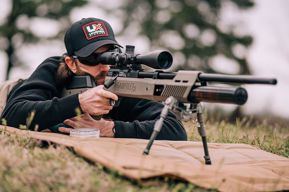
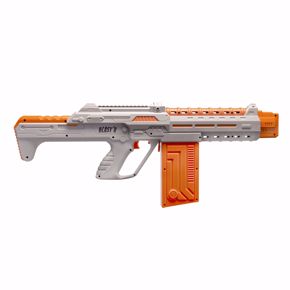
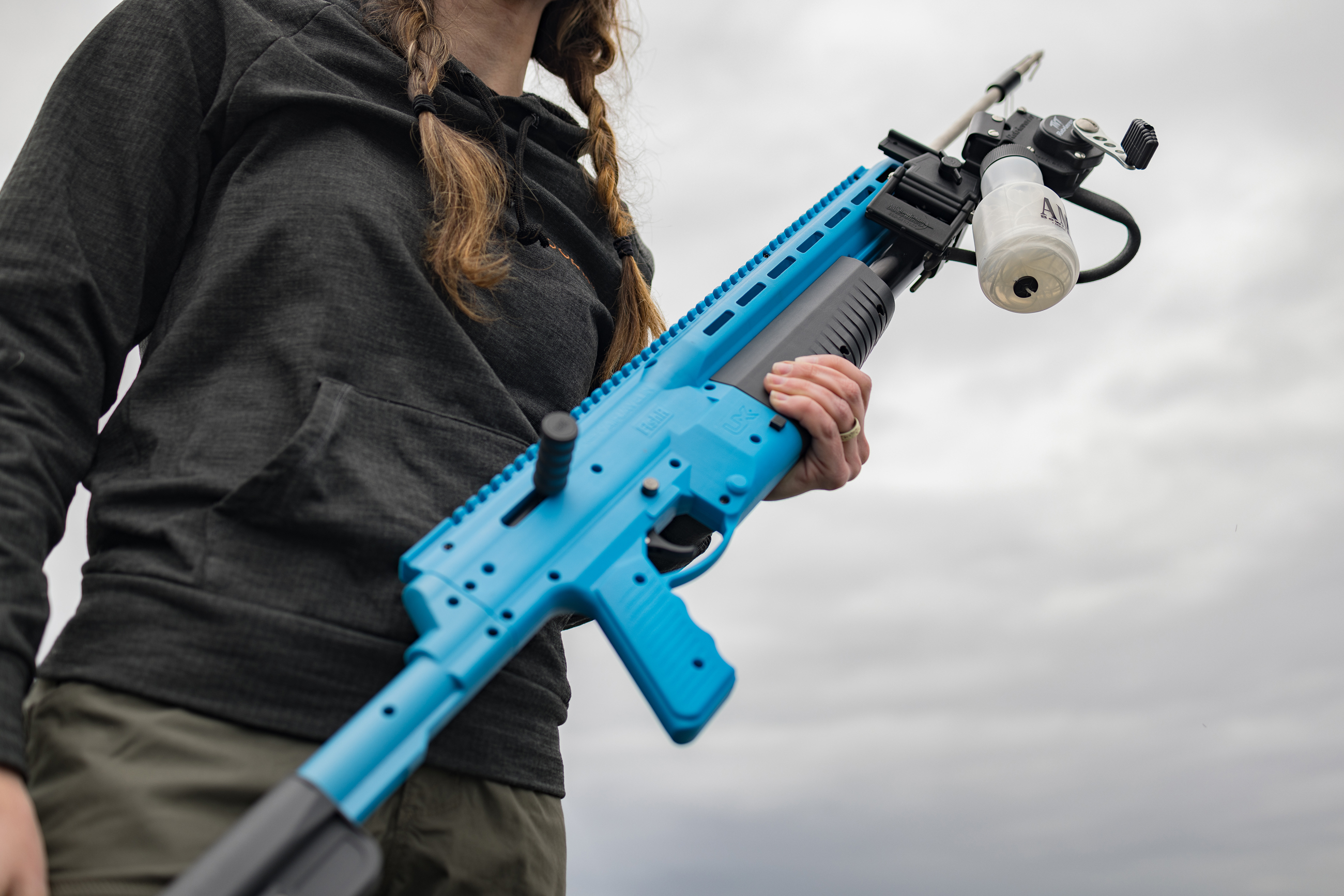
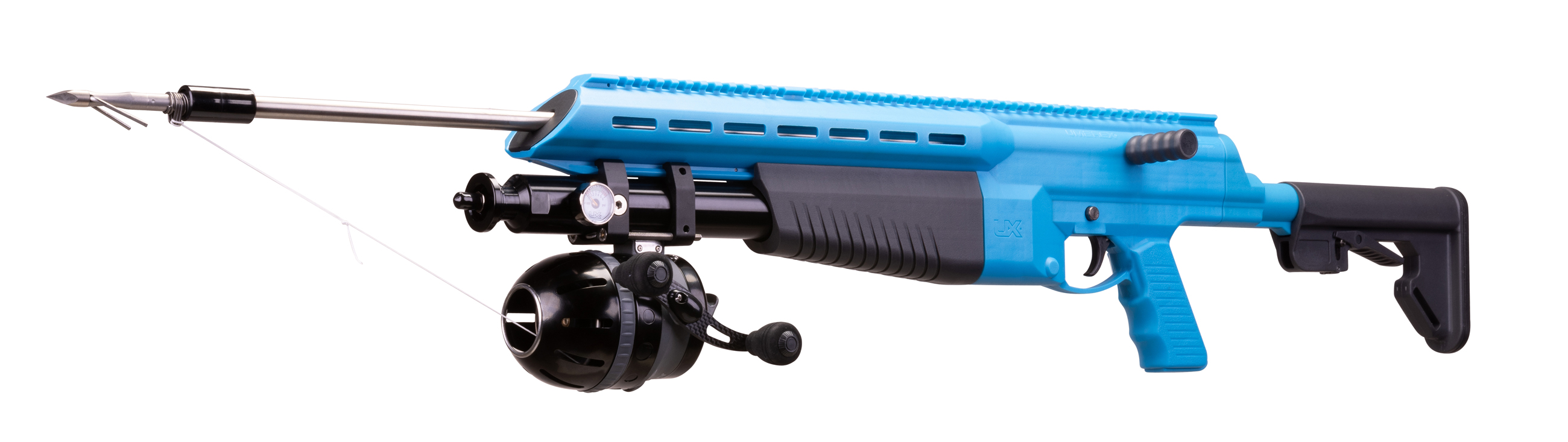
The Umarex AirJavelin FishR is listed as a PCP bowfishing platform with a 155 cc onboard tank, a universal reel mount, a full-length Picatinny rail, M-LOK compatible side slots, and stainless and corrosion-resistant parts for harsh or salt environments. The matching Umarex FishR Airgun Fishing Arrow is listed as a 1,248-grain, 26-inch solid fiberglass arrow with stainless steel hardware and an Innerloc head.
A bowfishing setup is built before the first fish appears. The water only reveals whether the setup was ready.
On a calm evening, the gear may feel simple. The line feeds cleanly. The arrow sits right. The reel behaves. The fish moves slowly in shallow water. Then the wind shifts, glare turns the surface white, a fish darts across a mud line, and everything happens faster than expected.
That is where setup matters.
Airgun bowfishing is not just air pressure and an arrow. It is a working system. The launcher has to send the arrow cleanly. The arrow has to match the platform. The line has to travel without tangling. The reel has to feed and retrieve. The shooter has to know what the water, the law, and the equipment will allow.
A good setup does not make the decision for you. It gives you enough control to make better decisions when the water gets messy.
For the broader foundation behind the category, start with Airgun Bowfishing: The Complete Guide to Air-Powered Bowfishing Systems (https://www.umarexusa.com/airgun-bowfishing-guide). For the mechanics behind the shot, see How Airgun Bowfishing Works (https://www.umarexusa.com/how-airgun-bowfishing-works).
An airgun bowfishing setup works best when every component has a clear job. The system is only as dependable as its weakest connection.
|
Setup Component |
What It Does |
Why It Matters |
|
Air-powered launcher |
Launches the fishing arrow |
Must be designed for arrow use |
|
Fishing arrow |
Enters water and supports recovery |
Must match the platform |
|
Reel |
Stores and manages retrieval line |
Controls recovery after the shot |
|
Retrieval line |
Connects arrow to reel |
Must feed cleanly and recover safely |
|
Slide or line attachment |
Connects line to arrow |
Helps line travel correctly |
|
Point |
Helps hold fish during recovery |
Must suit bowfishing use |
|
Air source |
Refills the PCP system |
Needed before and during outings |
|
Safety and legal checks |
Confirm proper use |
Reduces risk before the shot |
The launcher gets attention because it is the most visible part of the setup, but the retrieval system is just as important. In bowfishing, the shot is not finished when the arrow hits the water. The real test begins when the line tightens.
The arrow also matters more than beginners expect. Bowfishing arrows are built for wet, hard, unpredictable use. They may contact fish, mud, vegetation, shell, rocks, or debris. A target arrow is not built for that job.
A setup should feel boringly dependable before it ever reaches the water. If the arrow fit, line path, reel mount, or air fill plan is questionable at home, it will feel worse on a boat, bank, or coastal flat.
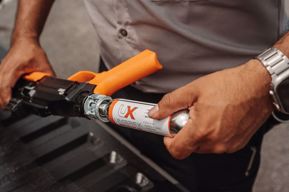
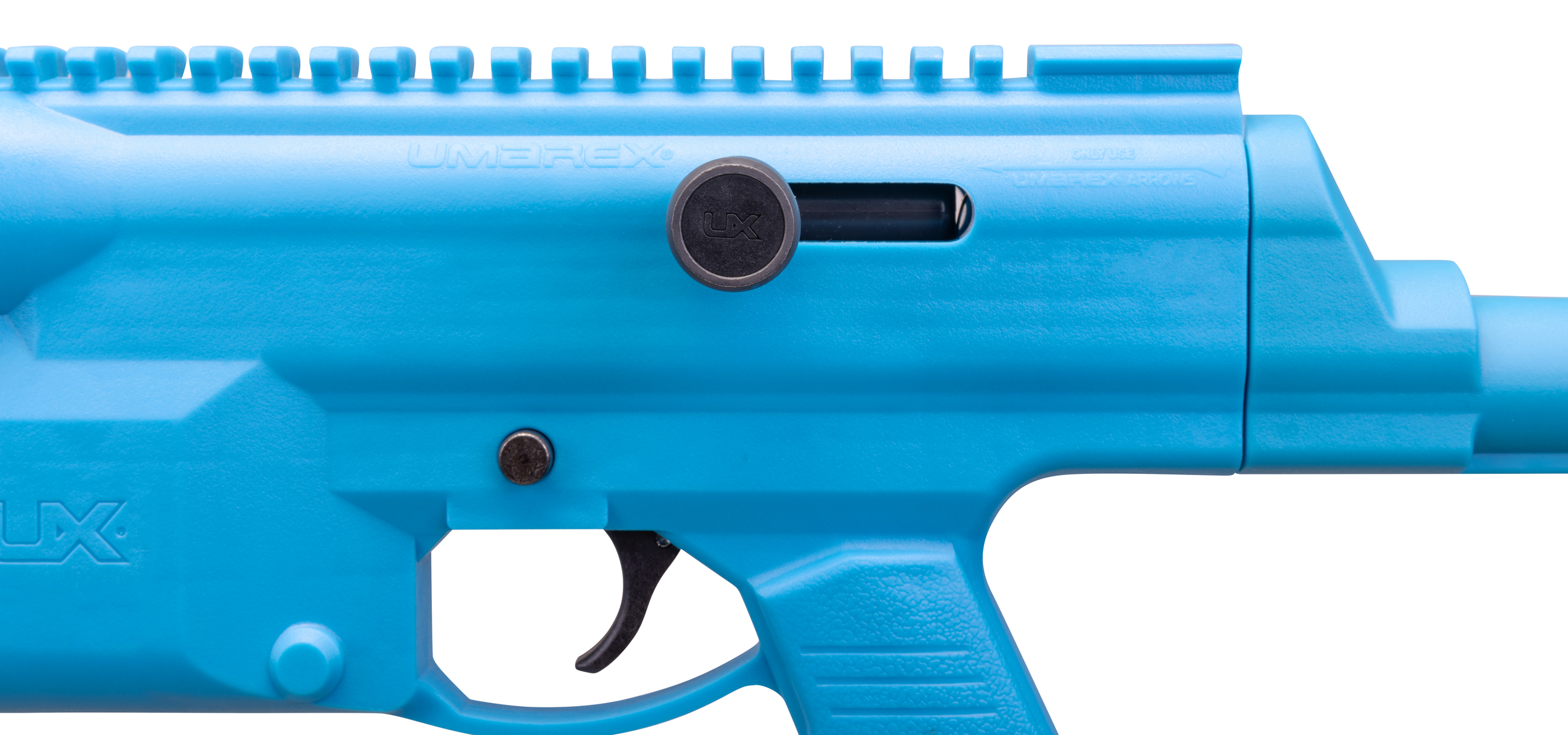
The air-powered launcher is the platform that stores and releases compressed air to send the fishing arrow forward. In a PCP system, air is stored in a reservoir before the shot and released in a controlled way when the system is fired.
The AirJavelin FishR is described by Umarex as a PCP bowfishing rig powered by high-pressure air stored in a 9.5 cubic inch, 155 cc onboard tank at 4,500 psi, regulated to 800 psi. Umarex lists it as launching a 1,248-grain solid fiberglass arrow at 100 fps and generating 28 foot-pounds at the muzzle.
That does not mean every air-powered platform is appropriate for bowfishing. The equipment must be designed for arrow use and set up with compatible bowfishing hardware. A pellet rifle is not a bowfishing rig. An improvised arrow setup is not the same as a purpose-built system.
The launcher is only one part of the field equation. Air pressure, arrow seating, line path, reel function, target identification, and recovery all matter before the trigger is pressed. A smooth launch does not fix a tangled line, a poor angle, or an illegal target.
For readers comparing air-powered bowfishing with traditional bowfishing, see Airgun Bowfishing vs Traditional Bowfishing (https://www.umarexusa.com/airgun-bowfishing-vs-traditional-bowfishing).
The fishing arrow is the hardest-working part of the setup. It leaves the launcher, enters water, contacts the fish, stays connected to line, and comes back under retrieval pressure.
The Umarex FishR Airgun Fishing Arrow (https://www.umarexusa.com/2252159) is listed as engineered specifically for the AirJavelin FishR Bowfishing PCP rig. Umarex lists it as a 1,248-grain arrow with a 26-inch solid fiberglass shaft, stainless steel tip and slide, and Innerloc head.
Those details matter because bowfishing arrows are not built around the same priorities as target arrows. A target arrow is mostly about flight and consistency. A bowfishing arrow has to handle water entry, impact, pullback, wet conditions, and repeated abuse.
A mismatched arrow can create more than poor performance. It can affect launch behavior, line function, recovery, and safety. Air-powered bowfishing systems should be used with arrows designed for the platform and application.
|
Arrow Requirement |
Why It Matters in the Field |
|
Platform compatibility |
Helps the arrow load and launch correctly |
|
Durable shaft |
Handles water entry and retrieval stress |
|
Proper slide or line connection |
Helps manage the retrieval line |
|
Bowfishing point |
Supports fish recovery |
|
Wet-condition hardware |
Helps withstand water exposure |
|
Spare arrow availability |
Keeps the setup usable after damage or loss |
Bowfishing is rough on arrows. A spare arrow is not just convenience. It can keep a trip from ending early after a hard hit, lost arrow, or damaged point.
The retrieval system is where many new bowfishers learn humility. The reel and line are easy to overlook when the fish is visible and the shot feels urgent, but they control what happens after the arrow leaves.
The line must travel freely. It cannot be wrapped around a hand, foot, rail, branch, boat cleat, gear bag, or reel mount. A tangled line can ruin a shot or create unsafe tension. Before every shot, the line path deserves attention.
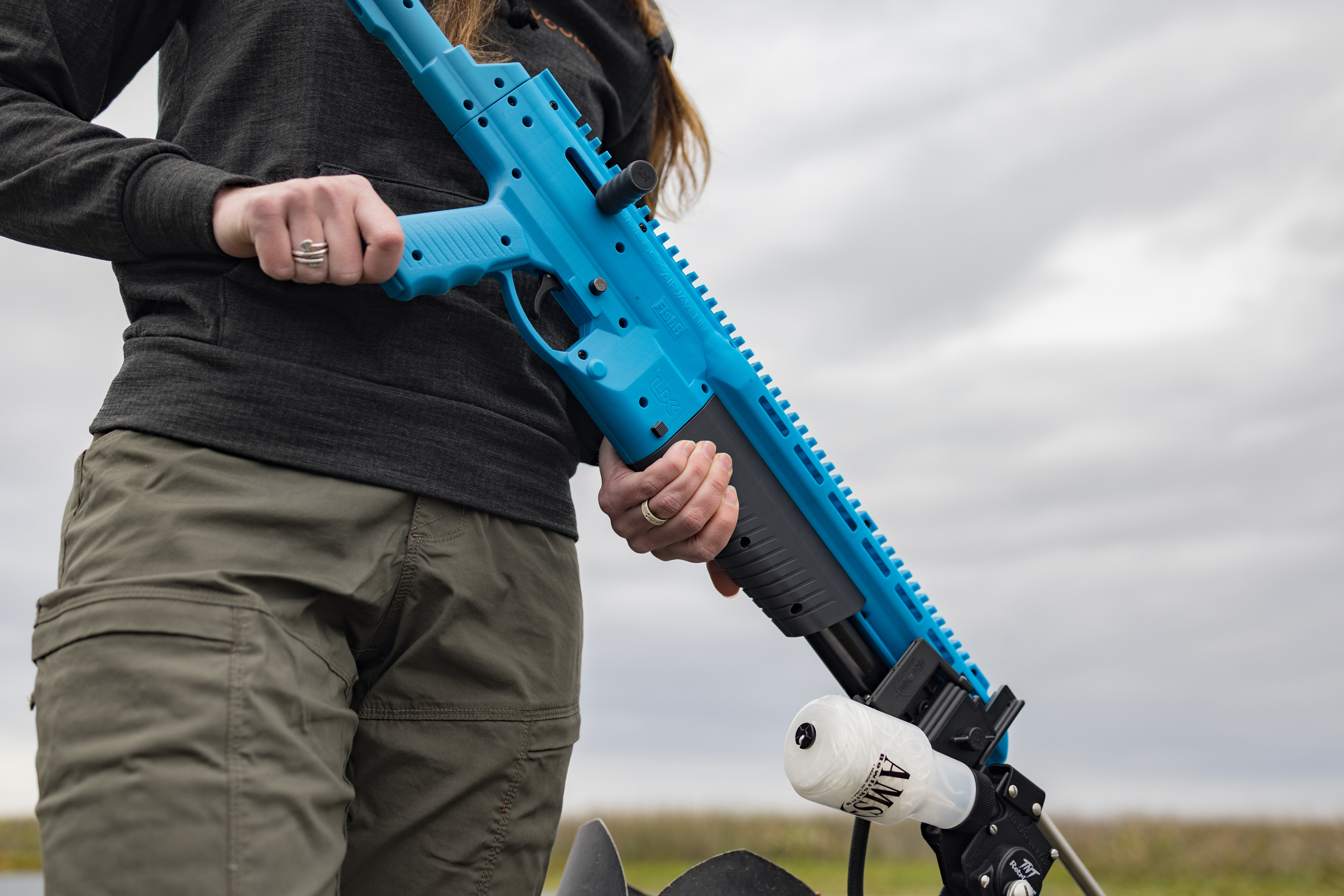
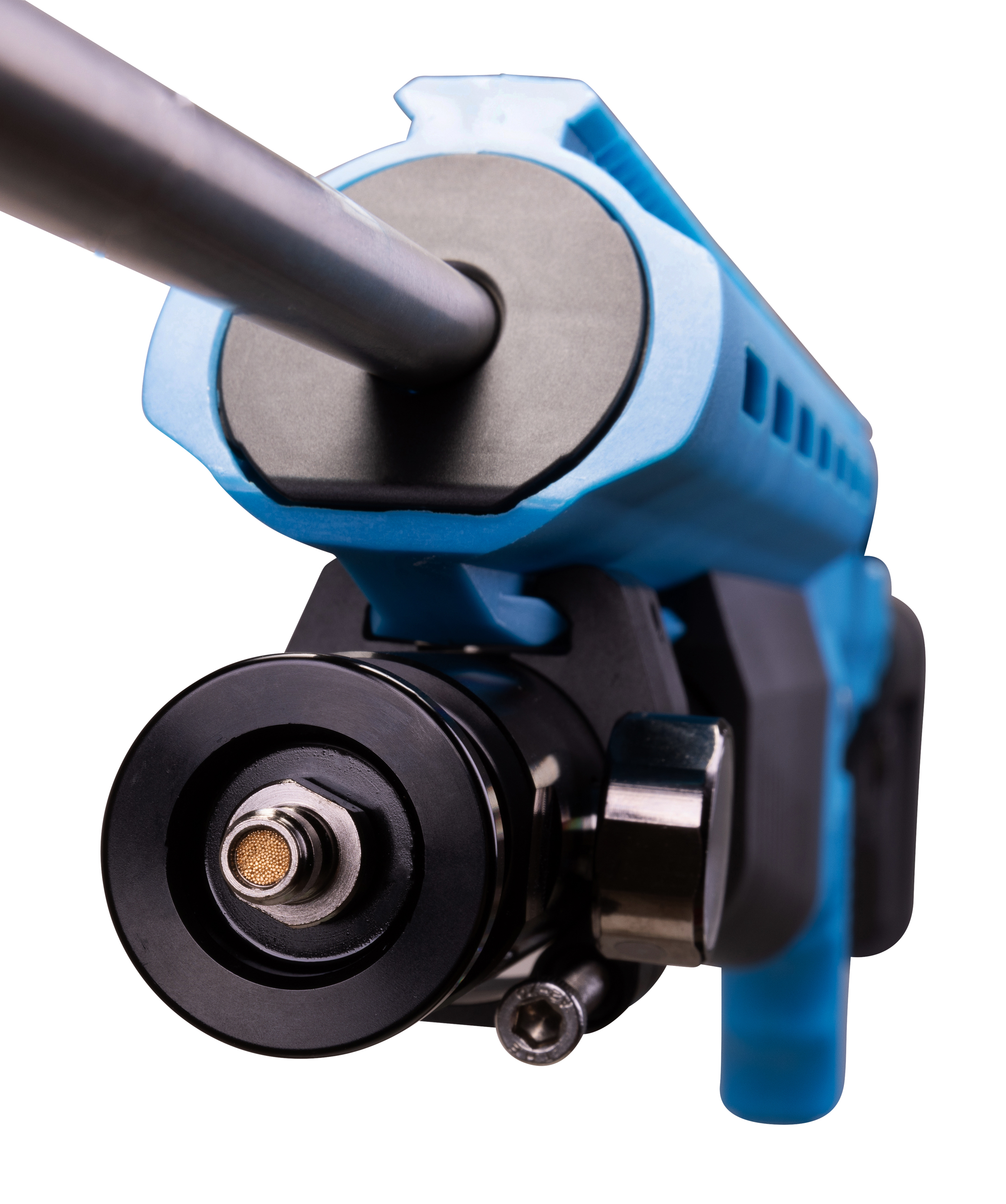
The AirJavelin FishR product information says the platform has a universal reel mount that can accept a wide mouth reel or bottle reel, with line tied to the arrow’s slider as with a bowfishing arrow.
That design detail is important because different bowfishers may prefer different reel systems, but the same rule applies: the line has to feed cleanly and retrieve predictably.
The best retrieval setup is not always the most complicated one. It is the one the shooter understands well enough to check under pressure. If the line is not clear, the shot should wait.
A PCP bowfishing system needs an air plan. That is one of the biggest differences between airgun bowfishing and traditional bowfishing.
Traditional bowfishing stores energy in limbs and string. PCP bowfishing stores air in a reservoir. That means the shooter needs to think about fill method, pressure, shot count, and access to air before getting on the water.
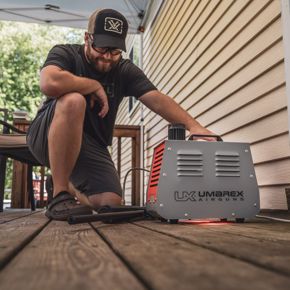
Umarex lists the AirJavelin FishR as fillable with a 3-stage airgun hand pump, an electric airgun compressor, or an external tank. The product page also says the FishR uses normal atmospheric air or nitrogen.
That gives users options, but it also adds responsibility. Fill equipment should be used according to manufacturer instructions. Pressure ratings should be respected. The system should be inspected before use. A bowfishing trip is not the place to guess about fill procedures.
|
Fill Option |
Practical Consideration |
|
Hand pump |
Portable but physically demanding |
|
Electric compressor |
Convenient when power access is available |
|
External tank |
Useful for repeated fills when properly managed |
|
Pre-trip fill |
Reduces problems once on the water |
A reliable air plan keeps the focus where it belongs: safe shooting, legal target identification, line control, and recovery.
Freshwater and saltwater bowfishing may use the same basic setup categories, but the environment changes what matters most.
Freshwater often brings mud, vegetation, current, shallow flats, stained water, and submerged debris. Saltwater adds tides, shell, sand, grass flats, marine growth, stronger glare, and corrosion exposure.
|
Setup Factor |
Freshwater Concern |
Saltwater Concern |
|
Visibility |
Mud, algae, vegetation |
Glare, tide, sand, grass flats |
|
Retrieval |
Weeds, current, debris |
Shell, current, grass, tide movement |
|
Gear exposure |
Mud and freshwater |
Salt, sand, marine debris |
|
Maintenance |
Clean and inspect after use |
Rinse, dry, and inspect more carefully |
|
Legal review |
State and local fishing rules |
State, local, species, area, and marine rules |
The AirJavelin FishR product information notes stainless and corrosion-resistant parts for long life in harsh or salt environments. That does not remove the need for care. Saltwater is unforgiving. Gear should be cleaned, dried, and inspected after coastal use according to manufacturer guidance.
Saltwater also brings more legal complexity. Florida’s saltwater spearing page defines spearing to include bowfishing and devices used to capture fish by piercing the body, but species, method, and area restrictions still apply.
For deeper coastal setup and regulation context, see Saltwater Airgun Bowfishing Guide (https://www.umarexusa.com/saltwater-airgun-bowfishing).
Safety starts before the arrow is loaded. It starts when the shooter checks the setup, the water, the line, and the surroundings.
A safe airgun bowfishing setup means the equipment is compatible, the line is clear, the air system is handled correctly, and the target is identified. It also means knowing when not to shoot. Poor visibility, uncertain species identification, tangled line, unstable footing, or people nearby are all reasons to pause.
Before heading out, check the major risk points:
|
Pre-Trip Check |
What to Confirm |
|
Legal status |
Method, species, water, and equipment rules |
|
Air system |
Proper fill, condition, and safe handling |
|
Arrow |
Compatibility, slide, point, shaft condition |
|
Reel |
Secure mount and smooth function |
|
Line |
No frays, knots, tangles, or bad routing |
|
Water conditions |
Visibility, current, tide, access, recovery path |
|
Surroundings |
People, boats, docks, property, and safe direction |
A responsible bowfisher is not looking for a reason to shoot. A responsible bowfisher is looking for the right conditions to shoot safely and legally.
For more detailed safety guidance, see Airgun Bowfishing Safety (https://www.umarexusa.com/airgun-bowfishing-safety).
Legal verification is not separate from setup. It is part of setup.
Air-powered bowfishing systems may not be specifically addressed in every jurisdiction’s regulations. Some rules may discuss bowfishing, spearing, gigs, bows, arrows, or other fishing methods without clearly stating how PCP arrow-launching equipment is classified.
That means users should not assume legality based on traditional bowfishing rules alone. A method that is legal with one type of equipment may not automatically cover another type of equipment.
Texas Parks and Wildlife publishes bowfishing regulations and notes that additional restrictions may apply on certain properties or waters. Florida’s saltwater spearing rules define spearing broadly and include bowfishing, but still maintain restrictions that may affect species, areas, and methods.
Before using air-powered bowfishing equipment, verify:
whether bowfishing or spearing is allowed on that water
whether air-powered arrow systems are specifically permitted or otherwise addressed
which species may be taken
whether local restrictions apply
whether licenses or permits are required
whether possession or disposal rules apply
If the rules are unclear, contact the responsible fish and wildlife agency before use.
For more legal context, see Airgun Bowfishing Laws and Regulations (https://www.umarexusa.com/airgun-bowfishing-laws-and-regulations).
The first mistake is treating the launcher as the whole setup. It is not. The launcher, arrow, reel, line, point, air supply, legal review, and safety check all matter.
The second mistake is ignoring line path. The line is easy to forget until it catches on something. A clean line path should be checked before every shot.
The third mistake is using mismatched equipment. Bowfishing puts real stress on gear. Arrows, slides, reels, and line should match the platform and the conditions.
The fourth mistake is overestimating distance. Bowfishing is often close, fast, and condition-driven. Water clarity, refraction, and recovery path matter more than long-range ambition.
The fifth mistake is skipping maintenance after saltwater or muddy use. Salt, sand, mud, and vegetation can damage neglected gear. Inspecting the arrow, line, reel, and hardware after use helps prevent problems later.
The sixth mistake is assuming legality. Product capability is not regulatory permission. Users must verify laws before use.
A reliable beginner setup should be simple, compatible, and easy to inspect.
Start with a purpose-built air-powered bowfishing platform. Pair it with a compatible fishing arrow. Use a reel and line system that feeds cleanly. Confirm the arrow slide and point are installed correctly. Plan the air source before leaving home.
The Umarex FishR Airgun Fishing Arrow (https://www.umarexusa.com/2252159) and AirJavelin FishR (https://www.umarexusa.com/umarex-airjavelin-fishr) are the central product pairing in this setup conversation because they are built around the same bowfishing platform.
A beginner should prioritize:
legal verification
compatible gear
safe line control
short practical shots
clear target identification
reliable recovery
careful post-trip inspection
That is the setup that builds confidence. Not the most complicated setup. Not the flashiest setup. The one that lets the shooter focus on the water instead of fighting the equipment.
For fish and condition selection, see Best Fish Species for Airgun Bowfishing (https://www.umarexusa.com/best-fish-species-for-airgun-bowfishing).
A complete airgun bowfishing setup includes an air-powered arrow launcher, compatible fishing arrow, reel, retrieval line, safe line path, air fill plan, and legal verification.
The launcher is only one part of the system. The arrow, reel, line, slide, point, and recovery path matter just as much.
The Umarex FishR Airgun Fishing Arrow (https://www.umarexusa.com/2252159) is listed as engineered for the AirJavelin FishR Bowfishing PCP rig and includes solid fiberglass construction, stainless steel hardware, and an Innerloc head.
The AirJavelin FishR (https://www.umarexusa.com/umarex-airjavelin-fishr) is listed with a universal reel mount, 155 cc onboard tank, and stainless and corrosion-resistant parts for harsh or salt environments.
Air-powered bowfishing legality may not be clearly defined everywhere. Verify current rules directly with the responsible wildlife agency before use.
The best setup is controlled, compatible, legal, and easy to manage under real water conditions.
An airgun bowfishing setup usually includes an air-powered arrow launcher, compatible fishing arrow, reel, retrieval line, slide or line attachment, bowfishing point, fill source, and a confirmed legal method for the water being fished.
No. Airgun bowfishing requires equipment designed for arrow use and compatible bowfishing hardware. A pellet rifle is not a bowfishing setup.
The Umarex FishR Airgun Fishing Arrow is listed by Umarex as fitting the AirJavelin FishR and using a 1,248-grain solid fiberglass shaft with stainless steel hardware and an Innerloc head.
The AirJavelin FishR is listed with a universal reel mount that can accept a wide mouth reel or bottle reel. Users should follow product guidance and use a safe, compatible line setup.
Airgun bowfishing legality depends on the jurisdiction, species, water body, method, and equipment classification. Air-powered arrow systems may not be specifically addressed everywhere, so users should verify legality directly with the responsible fish and wildlife agency.
Yes. Salt, sand, shell, marine debris, and moisture can be hard on gear. Equipment used around saltwater should be cleaned, dried, and inspected according to manufacturer guidance.
The biggest mistake is focusing only on the launcher and ignoring the system. The line, reel, arrow, air supply, legal review, and recovery path all matter.
Umarex USA. “Umarex FishR Airgun Fishing Arrow.” Used for FishR arrow compatibility, weight, length, solid fiberglass construction, stainless steel tip and slide, and Innerloc head details. https://www.umarexusa.com/2252159
Umarex USA. “Umarex AirJavelin FishR.” Used for AirJavelin FishR PCP platform details, tank size, pressure, regulated pressure, reel mount, shot count, fill methods, corrosion-resistant parts, and salt-environment product information. https://www.umarexusa.com/umarex-airjavelin-fishr
Texas Parks and Wildlife Department. “Bow Fishing Regulations.” Used for state-level bowfishing regulation and local restriction context. https://tpwd.texas.gov/regulations/outdoor-annual/fishing/general-rules-regulations/bow-fishing-regulations
Florida Fish and Wildlife Conservation Commission. “Spearing.” Used for saltwater spearing and bowfishing definition context. https://myfwc.com/fishing/saltwater/recreational/spearing/