


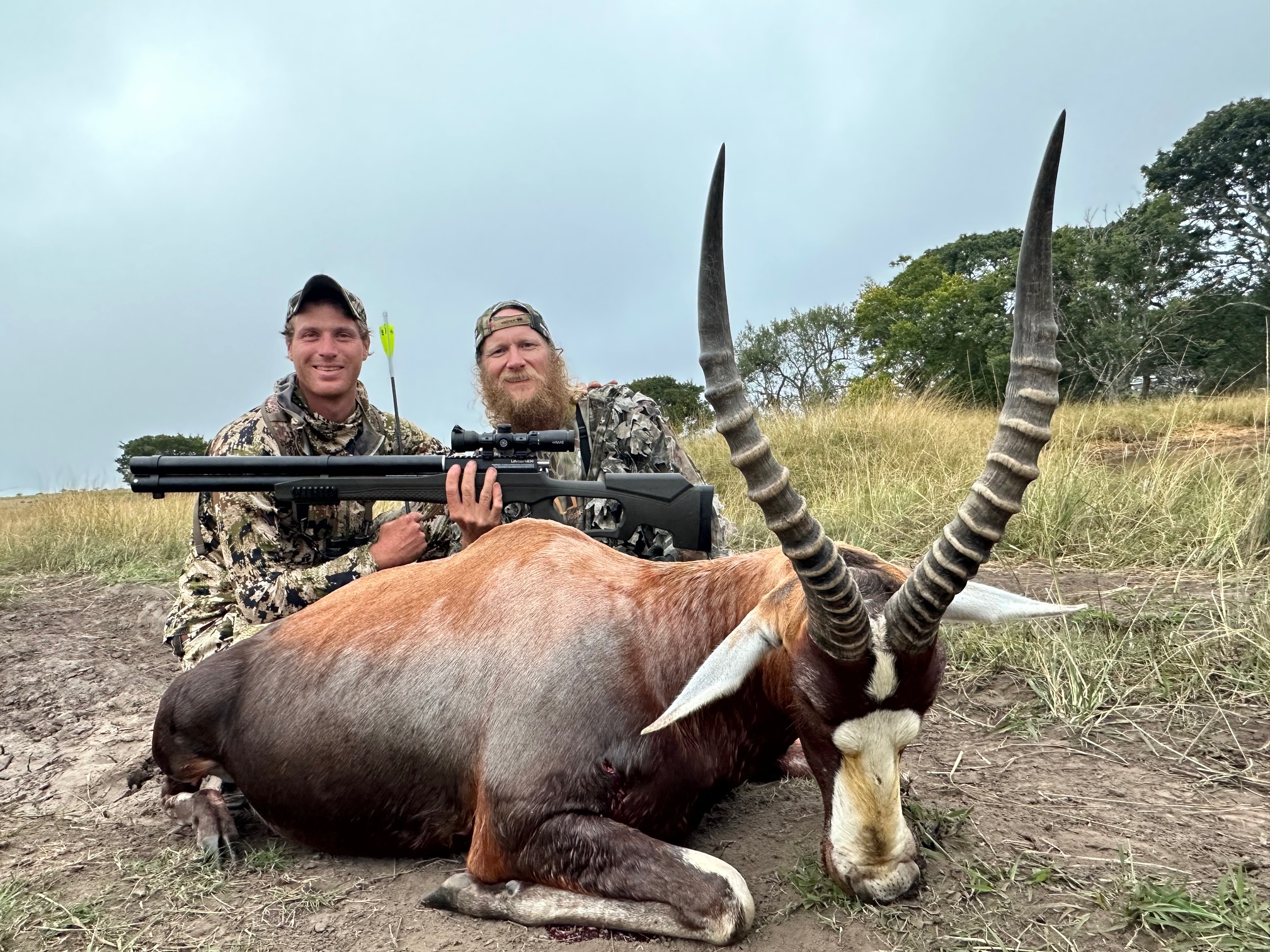
Air archery hunting equipment, including PCP arrow rifles, arrow guns, air-powered arrow-launching systems, air archery platforms, and related hunting accessories, may not be specifically addressed or permitted under the laws and regulations of every state, province, species, season, land type, or local jurisdiction. Regulations involving airguns, arrows, broadheads, hunting methods, caliber or energy requirements, species restrictions, seasons, public land rules, private land rules, and air-powered equipment may vary significantly and may change over time. Always contact your state or local fish and wildlife agency to verify the current legality of any equipment, species, method, season, and location before use. Nothing below should be interpreted as legal advice or as confirmation that any specific equipment or method is lawful in your area.
Quick Answer
Air archery and crossbow hunting both use arrow-style projectiles, but they are mechanically different systems. A crossbow uses cocked limbs and a string to store and release energy. An air archery system uses compressed air, often through a PCP reservoir, to launch a compatible arrow.
That difference matters for setup, handling, arrow compatibility, safety, maintenance, and legal classification. Air archery should not be assumed to qualify as crossbow equipment unless the responsible wildlife agency or current regulation clearly says so.
Our AirSaber is listed as a PCP air archery arrow rifle with up to 480 FPS and up to 178 FPE, and its product guidance warns users to use only Umarex AirSaber arrows because standard bow and crossbow arrows are not built for the high air pressure involved. Our AirJavelin Pro is listed as a compact PCP powered air archery gun with a 4,500 PSI max fill pressure, 1,500 PSI regulator, 370 FPS velocity with a 170-grain arrow, and 52 ft-lbs of energy.
For the larger category foundation, start with Air Archery Hunting 101. For the technical side of pressure, reservoirs, and compatible arrows, see How PCP Arrow Rifles Work.
Why People Compare Air Archery and Crossbows
People compare air archery and crossbows because both can look familiar from a distance. Both may use a shoulder-fired platform. Both send an arrow-like projectile downrange. Both may use optics. Both may be discussed by hunters who are interested in arrow-based hunting methods.
That surface similarity can create confusion. A crossbow is still a bow-based system. It stores energy in limbs and a string that are cocked before the shot. An air archery system is an air-powered arrow platform. It stores energy as compressed air and releases that air to propel an arrow.
The comparison is useful when it helps a reader understand practical differences. It becomes risky when it leads someone to assume the law treats both systems the same. A crossbow season does not automatically mean an air archery platform is included. A regulation that names crossbows may not name arrow guns, PCP arrow rifles, or air-powered arrow systems.
That is why this distinction is more than technical. It affects real decisions before a hunt. It affects what equipment a person buys, how they practice, what arrows they use, what season they plan around, and what agency they need to contact before heading into the field.
For a broader explanation of how air archery fits into the wider air-powered hunting category, see Air-Powered Hunting Systems Explained.
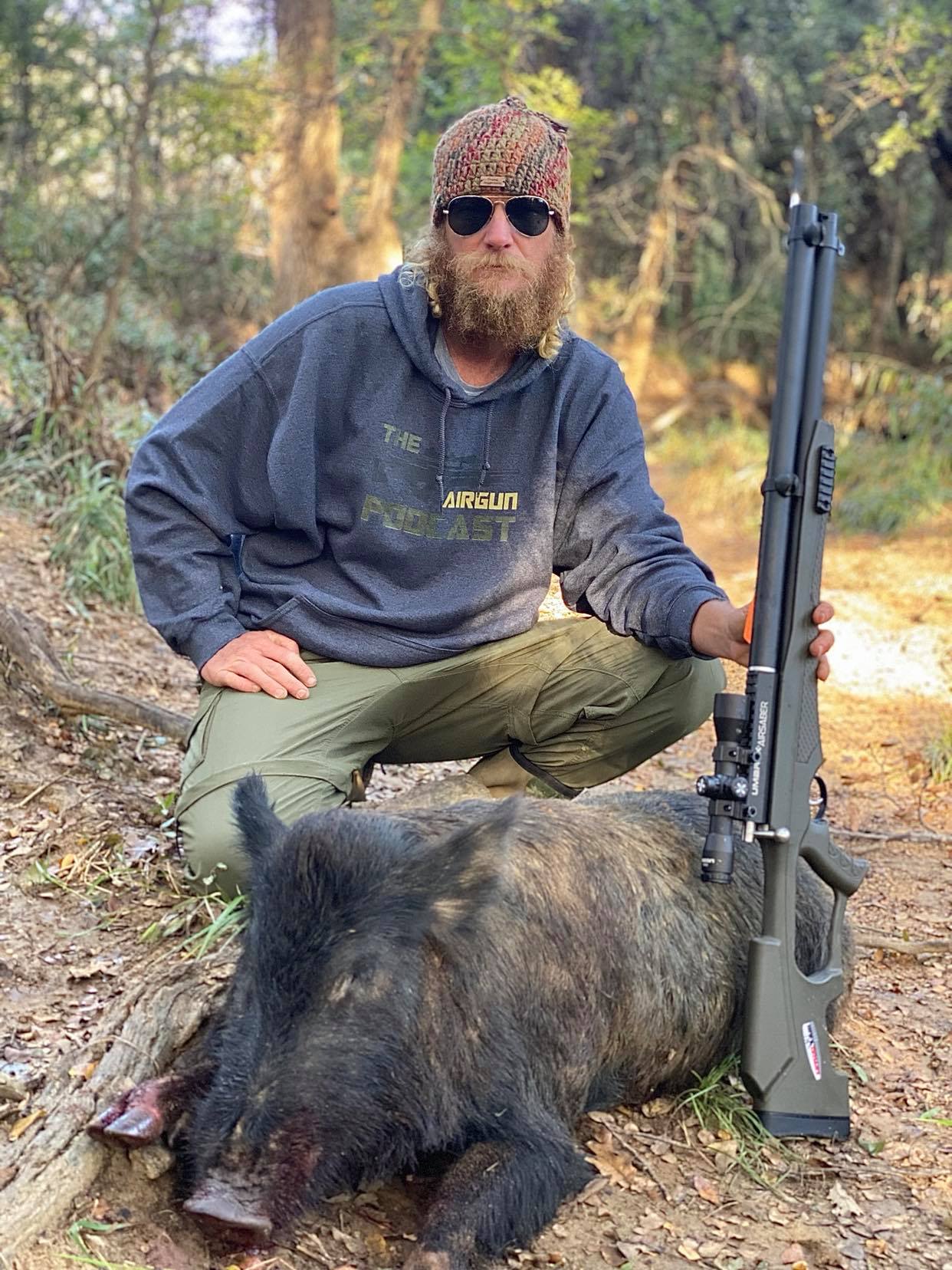
The Mechanical Difference Between Air Archery and Crossbows
The simplest difference is the power source.
A crossbow stores energy in cocked limbs and a string. When the trigger is released, the string drives the bolt or arrow-style projectile forward. The core mechanics are still archery mechanics, even though the platform may have a stock, trigger, and optic.
An air archery system stores energy in compressed air. In a PCP arrow rifle, the air reservoir is filled before use. When the platform fires, controlled air pressure launches the arrow. There is no cocked bowstring and no limb energy driving the shot.
That mechanical difference changes how the systems are prepared. A crossbow must be cocked, loaded, and decocked or discharged safely according to manufacturer instructions. A PCP arrow rifle must be filled with compressed air, used within its pressure limits, paired with compatible arrows, and handled according to its air system design.
Factor |
Crossbow Hunting |
Air Archery Hunting |
|
Power source |
Cocked limbs and string |
Stored compressed air |
|
Projectile |
Bolt or arrow-style projectile |
Platform-compatible arrow |
|
Energy storage |
Mechanical limb tension |
PCP air reservoir |
|
Preparation |
Cocking and loading |
Filling, loading, and pressure awareness |
|
Main compatibility issue |
Bolt, nock, broadhead, and crossbow fit |
Platform-specific arrow and pressure fit |
|
Legal classification |
Often defined under crossbow or archery rules |
May be defined separately as an arrow gun or air-powered system |
In practice, this means air archery should be treated as its own category. It may share some hunting principles with crossbow hunting, but it does not use the same power system.
How PCP Arrow Rifles Launch Arrows
A PCP arrow rifle launches an arrow with stored compressed air. PCP means pre-charged pneumatic, which means the platform is filled with air before the shot. That air is stored in an onboard reservoir and released through the system when fired.
This pressure-driven launch method is why arrow compatibility matters so much. The arrow is not just sitting in front of a string. It is part of a system designed around air pressure, arrow fit, shaft strength, and platform geometry.
Our AirSaber product guidance is direct on this point. It says to use only Umarex AirSaber arrows with the AirSaber arrow gun and warns that use of other arrows can cause serious injury or death because AirSaber arrows are engineered to handle extremely high air pressure.
That warning is one of the clearest differences between air archery and crossbow use. Crossbow bolts must match the crossbow. Air archery arrows must match the pressure system. The underlying safety concern is different because the launch force is different.
For a deeper mechanical explanation, see How Air Archery Works.
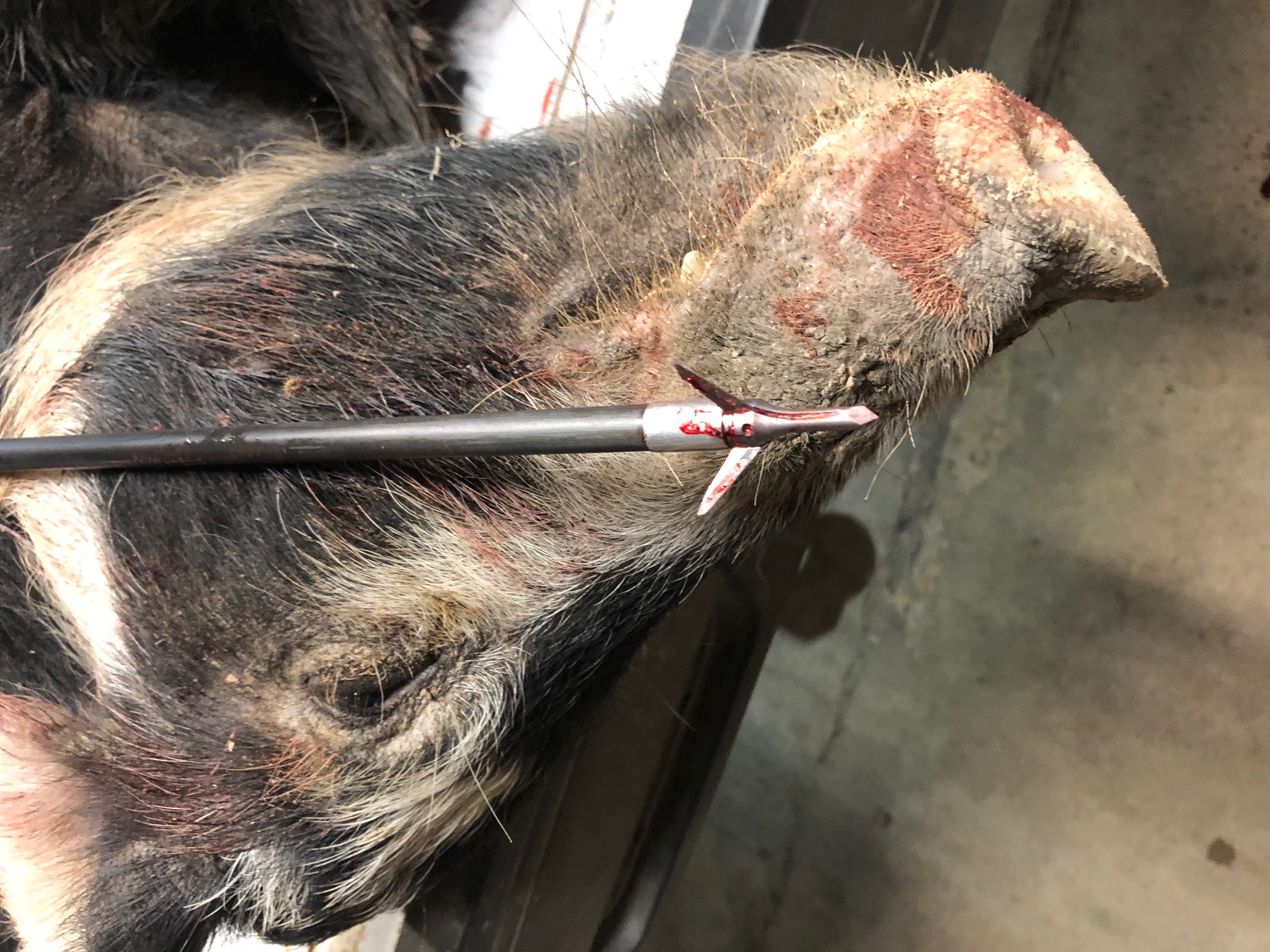
How Crossbows Store and Release Energy
A crossbow works by drawing and holding limb energy. The string is pulled back, the limbs store energy, and the trigger releases that energy to drive the bolt or arrow forward. The hunter does not hold the draw weight at full draw the way a vertical bowhunter does, but the system is still powered by limbs and string.
That gives crossbows a familiar place in hunting regulations. Many states define them under archery or crossbow-specific equipment rules. Those definitions can be detailed, and they may list equipment requirements, seasons, hunter eligibility rules, or species restrictions.
Air archery systems do not rely on that same stored limb energy. That is why a rule written for crossbows may not automatically include PCP arrow rifles. The equipment may look similar to a new user, but the law may define them differently.
Texas Parks and Wildlife offers a useful example of why definitions matter. Its means and methods guidance says lawful archery equipment includes compound bows, crossbows, longbows, and recurved bows, while also stating that arrow guns may not be used to hunt deer or wild turkey during archery season in Texas. That example should not be treated as a rule for every state. It simply shows why hunters must check the exact regulation where they plan to hunt.
Handling and Field Feel
Crossbows and air archery systems can both feel more platform-based than a vertical bow, but the field routines differ.
A crossbow user thinks about cocking, limb tension, bolt seating, string condition, serving wear, broadhead clearance, safety engagement, and decocking or discharge procedures. The platform may feel familiar to hunters who want an arrow-based method without drawing and holding a vertical bow.
An air archery user thinks about air fill status, pressure limits, arrow compatibility, tank behavior, optic setup, and platform-specific loading. The platform may feel familiar to PCP airgun users because it uses compressed air, but the projectile and field ethics belong to arrow-based hunting.
Neither system removes the need for practice. A hunter still has to know real field distances, angles, background, animal movement, wind, broadhead behavior, and recovery strategy. Equipment can change the launch experience, but it cannot replace field judgment.
Field Factor |
Crossbow Consideration |
Air Archery Consideration |
|
Pre-shot routine |
Cocking, bolt seating, safety check |
Fill pressure, arrow fit, safety check |
|
Practice focus |
Bolt flight and broadhead accuracy |
Arrow flight, pressure consistency, platform handling |
|
Maintenance |
Strings, cables, limbs, rail, bolts |
Air system, seals, fittings, arrows, optics |
|
Familiar audience |
Crossbow hunters and archery users |
PCP airgun users and air archery users |
|
Field discipline |
Shot angle, range, recovery |
Shot angle, range, recovery |
The right choice is not the one that sounds easier. The right choice is the one the hunter can operate lawfully, safely, and consistently.
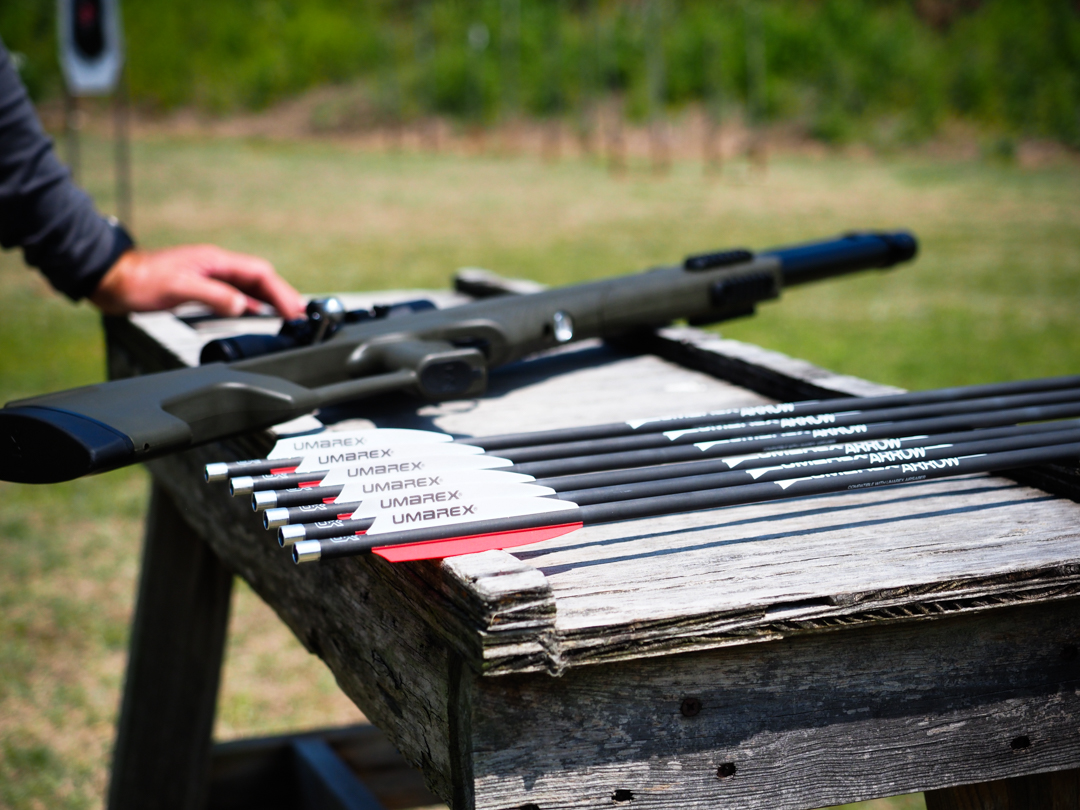
Arrow Compatibility and Safety
Arrow compatibility is important in both categories, but air archery raises a different kind of concern.
A crossbow requires bolts or arrows that match the manufacturer’s requirements. Length, weight, nock type, spine, broadhead selection, and overall fit matter. Using the wrong bolt in a crossbow can create safety and performance problems.
A PCP arrow rifle requires arrows built for that air-powered platform. The arrow has to handle pressure conditions that ordinary bow and crossbow arrows may not be designed to withstand. That is why AirSaber’s compatibility warning is so important.
This is not an area for experimentation. If the platform specifies a particular arrow, use that arrow. If the arrow is damaged, cracked, questionable, or not designed for the system, do not use it.
Compatibility Question |
Why It Matters |
|
Is the arrow approved for the platform? |
Incorrect arrows can create serious safety risk |
|
Is the arrow damaged? |
Cracks or wear can worsen under pressure |
|
Does the point or broadhead fit properly? |
Poor fit can affect accuracy and safety |
|
Is the arrow weight appropriate? |
Platform behavior depends on correct ammunition |
|
Does the law allow the projectile setup? |
Broadhead and arrow rules may vary |
|
Has the arrow been inspected after use? |
Damage may not be obvious at first glance |
A responsible hunter treats arrows as part of the system, not as replaceable generic parts.
Optics, Sighting, and Shooting Experience
Both crossbows and air archery systems may use optics, but the sighting experience depends on the platform.
Crossbow optics are usually designed around bolt trajectory and known distance references. Air archery optics may be designed around specific arrow velocities, pressure behavior, and platform performance. The AirSaber with Axeon Scope product page lists an included Axeon Optics 4x32 scope with an AirArchery reticle.
Optics help only when the user has practiced with the actual platform, arrow, and point setup. A reticle does not replace range discipline. It does not verify legality. It does not make a poor angle ethical. It simply helps the hunter aim within the system’s intended use.
The shooting experience also depends on familiarity. A crossbow user may already understand cocking routines and bolt flight. A PCP arrow rifle user may understand air pressure and regulators. Both still need to practice with hunting points where lawful and safe, confirm point of impact, and understand realistic field distances.
The best field confidence comes from repeatable practice. A hunter should know how the platform behaves before the hunt, not learn it while an animal is in front of them.
Legal Classification Differences
The legal difference may be the most important difference.
A crossbow may be legal in one season, restricted in another, or allowed only under certain state rules. Air archery equipment may be treated as an arrow gun, air gun, pre-charged pneumatic device, airbow, or something else depending on the jurisdiction.
The words matter. A regulation that allows crossbows may not automatically include PCP arrow rifles. A regulation that allows air guns may not automatically include arrow guns. A regulation that allows archery equipment may define lawful archery equipment in a way that excludes air-powered platforms.
Texas is a useful example because its regulations specifically discuss air guns and arrow guns. Texas Parks and Wildlife’s means and methods page says arrow guns may not be used to hunt deer or wild turkey during archery season, and its air gun and arrow gun regulations discuss ethical shot placement and recovery. Again, that example is not national guidance. It is a reminder that every state’s language matters.
Legal Question |
Why It Matters |
|
Does the regulation define crossbows? |
Air archery may not be included |
|
Does the regulation define arrow guns? |
PCP arrow rifles may be treated separately |
|
Is the method allowed for the species? |
Species rules can vary |
|
Is the method allowed during the season? |
Archery, firearm, and special seasons may differ |
|
Are broadhead or projectile rules listed? |
Arrow setups may be regulated |
|
Does public land have separate restrictions? |
Land rules may differ from statewide rules |
|
Is local agency confirmation needed? |
Unclear language should be verified |
Product capability does not equal legal permission. Verify before hunting.
For the dedicated legal support page in this cluster, see Air Archery Hunting Laws and Regulations.
AirSaber vs Crossbow Expectations
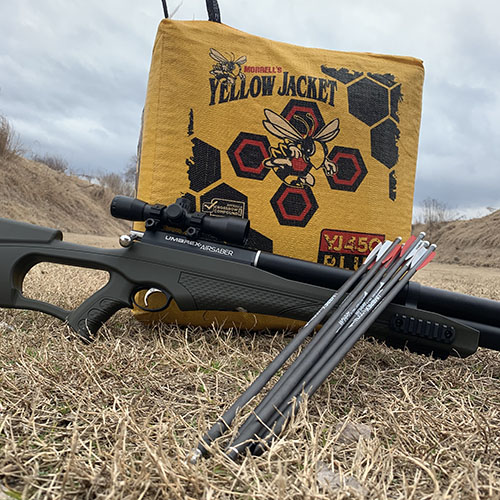
AirSaber is often compared to crossbows because it launches arrows from a shoulder-fired platform. That comparison can help readers understand the general hunting context, but it should not blur the mechanical difference.
AirSaber is powered by compressed air. It is not powered by limbs and string. Our AirSaber product page lists it as a PCP air archery arrow rifle with up to 480 FPS, up to 178 FPE, a 3,625 PSI max tank pressure, 30 hunting shots per fill, and an included 4x32 archery scope with an AirArchery reticle.
That makes AirSaber an air archery platform, not a crossbow. The hunter’s preparation should reflect that difference. Air pressure, platform-specific arrows, manufacturer guidance, and legal classification all matter.
The AirSaber may appeal to hunters interested in a high-pressure air-powered arrow platform. A crossbow may appeal to hunters who want a limb-and-string arrow platform. Neither category should be treated as automatically superior. The better choice depends on lawful use, user familiarity, practice, safety, maintenance preference, and field discipline.
For more on AirSaber’s role in the air archery hunting category, see Air Archery Hunting 101.
AirJavelin Pro vs Compact Crossbow Expectations
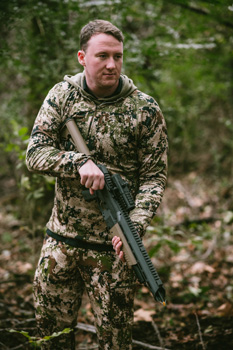
AirJavelin Pro belongs to the compact PCP air archery side of the category. It is not a compact crossbow, even if a new user may compare the general handling size or arrow-launching concept.
Our AirJavelin Pro product page lists it as a PCP powered air archery gun with a 7.4 cubic inch tank, 4,500 PSI max fill pressure, 1,500 PSI regulator, 15 full-power shots, 25 effective shots per fill, and 370 FPS velocity with a 170-grain arrow.
That profile makes AirJavelin Pro relevant to air archery users who want a compact air-powered arrow system. It should be understood through the air archery category, not through crossbow assumptions.
A compact crossbow and AirJavelin Pro may both be arrow-launching platforms, but they ask different things from the user. One asks the user to understand cocking, limb energy, bolt fit, and crossbow maintenance. The other asks the user to understand PCP pressure, compatible arrows, fill planning, and air archery platform handling.
For a pressure-system explanation, see How PCP Arrow Rifles Work.
Practice and Learning Curve
The learning curve depends on where the hunter is coming from.
A crossbow hunter may already understand range limits, broadhead practice, bolt flight, and recovery discipline. That experience transfers conceptually to arrow-based hunting, but it does not automatically transfer to PCP pressure systems or air archery arrow compatibility.
A PCP airgun user may understand fill pressure, regulators, air tanks, and optics. That experience transfers to air archery handling, but it does not automatically transfer to arrow flight, broadheads, animal angles, or recovery.
A new hunter needs to learn both the platform and the field responsibility. No system removes the need to practice. No optic removes the need to know distance. No product specification removes the need to pass a questionable shot.
User Background |
What May Feel Familiar |
What Still Needs Practice |
|
Crossbow hunter |
Arrow-style projectile and optic use |
PCP pressure and platform-specific arrows |
|
PCP airgun user |
Air system and fill routine |
Arrow hunting and recovery |
|
Bowhunter |
Shot discipline and animal recovery |
Air archery mechanics |
|
New hunter |
Platform handling with instruction |
Legal use, ethics, distance, and recovery |
A responsible learning curve starts before the season. The field should confirm practice, not replace it.
Ethical Hunting and Recovery
Air archery and crossbow hunting both demand ethical restraint. The tool may change, but the responsibility stays the same.
The hunter must know the animal, understand the angle, practice with the actual setup, use compatible projectiles, and be prepared for recovery. A platform that can launch an arrow does not guarantee an ethical shot. The hunter’s judgment determines whether the shot should happen.
Texas Parks and Wildlife’s air gun and arrow gun guidance emphasizes shot placement into vital organs and recovery caution for animals taken with air guns and arrow guns. That principle is useful beyond one state because it reflects the same responsibility that serious hunters already understand: shot placement and recovery matter as much as equipment choice.
Passing a bad shot is part of hunting skill. A hunter should pass when the animal is moving unpredictably, the angle is poor, the distance is beyond practiced ability, the equipment is not confirmed legal, the arrow is questionable, or recovery is unlikely.
Ethical hunting is not about proving a platform can work. It is about knowing when the conditions are right and when they are not.
Who Each System May Appeal To
Crossbows and air archery systems can both serve serious hunters, but they may appeal to different preferences and backgrounds.
Crossbows may appeal to hunters who want a limb-and-string system, a familiar crossbow season structure where lawful, and a mechanical platform with broad market familiarity. Air archery may appeal to hunters who are comfortable with PCP systems, compressed air, arrow rifles, and air-powered hunting platforms.
A hunter choosing between the two should not begin with hype. The better starting point is legal fit. After legality is clear, the decision can move to comfort, practice time, equipment compatibility, maintenance, and intended field use.
User Preference |
Crossbow May Appeal If |
Air Archery May Appeal If |
|
Power system |
You prefer limbs and string |
You prefer compressed air |
|
Familiarity |
You already shoot crossbows |
You already understand PCP systems |
|
Maintenance |
You are comfortable with strings and limbs |
You are comfortable with air systems |
|
Category interest |
You want traditional crossbow structure |
You want air-powered arrow technology |
|
Legal planning |
Your state clearly allows crossbows |
Your state clearly allows arrow guns or air archery |
|
Practice style |
You prefer bolt and crossbow routines |
You prefer PCP platform routines |
The best system is the one you can use legally, safely, accurately, and responsibly.
Common Misunderstandings
The first misunderstanding is that air archery is just a crossbow without limbs. That is not accurate. Air archery uses compressed air. Crossbows use cocked limbs and string.
The second misunderstanding is that crossbow rules automatically include air archery. They may not. Some states define crossbows separately from arrow guns or air-powered systems.
The third misunderstanding is that arrows are interchangeable. They are not. AirSaber requires Umarex AirSaber arrows, and the product guidance warns against using other arrows.
The fourth misunderstanding is that performance specifications determine legal use. They do not. Regulations determine legal use.
Misunderstanding |
Correct Understanding |
|
Air archery is a crossbow |
Air archery uses compressed air |
|
Crossbow season includes all arrow launchers |
Regulations may define methods separately |
|
Any arrow can work |
Use only platform-approved arrows |
|
Higher FPS means legal use |
Laws control legal use |
|
Optics make the shot ethical |
Judgment and recovery decide ethics |
|
Product design confirms hunting legality |
Agencies and regulations determine legality |
Good category understanding protects the hunter and the future of the method.
Key Takeaways
Air archery and crossbow hunting both involve arrow-based hunting concepts, but they use different power systems.
A crossbow stores energy in cocked limbs and a string. A PCP arrow rifle stores energy as compressed air.
Air archery should not be assumed to qualify as crossbow equipment unless current regulations or the responsible wildlife agency clearly say so.
AirSaber is an air archery arrow rifle, not a crossbow. It is listed with up to 480 FPS, up to 178 FPE, and a warning to use only Umarex AirSaber arrows.
AirJavelin Pro is a compact PCP powered air archery platform listed with a 4,500 PSI max fill pressure, 1,500 PSI regulator, and 370 FPS velocity with a 170-grain arrow.
Arrow compatibility is a safety requirement.
Product capability does not equal legal permission.
Before hunting with either system, verify the equipment, species, season, land, projectile, and method rules with the responsible wildlife agency.
FAQ
Is air archery the same as crossbow hunting?
No. Crossbows use cocked limbs and a string to launch a bolt or arrow-style projectile. Air archery systems use compressed air to launch compatible arrows.
Is AirSaber a crossbow?
No. AirSaber is an air archery arrow rifle powered by compressed air. It does not use limbs and a string like a crossbow.
Can air archery be used during crossbow season?
Not unless current regulations clearly allow it. Air archery equipment may be classified differently from crossbows, so hunters should verify with the responsible wildlife agency before use.
What is the biggest difference between a PCP arrow rifle and a crossbow?
The biggest difference is the power source. A crossbow uses limb energy. A PCP arrow rifle uses stored compressed air.
Can crossbow arrows be used in an AirSaber?
No. Our AirSaber product guidance says to use only Umarex AirSaber arrows with the AirSaber arrow gun because other arrows can create serious safety risk.
Is AirJavelin Pro a crossbow?
No. AirJavelin Pro is a PCP powered air archery gun. It uses compressed air to launch compatible arrows.
Which is better for hunting, air archery or crossbow?
Neither is automatically better. The better choice depends on legal approval, user familiarity, practice, maintenance preference, arrow compatibility, ethical shot selection, and recovery responsibility.
Works Cited
Umarex USA. “AirSaber Air Archery Arrow Rifle with Scope.” Used for AirSaber PCP air archery specifications, velocity, energy, tank pressure, optic details, included arrows, and arrow compatibility warning. https://www.umarexusa.com/umarex-airsaber-air-archery-arrow-rifle-airgun-with-axeon-scope
Umarex USA. “AIRJAVELIN PRO PCP ARROW RIFLE.” Used for AirJavelin Pro PCP air archery specifications, tank size, fill pressure, regulator, shot count, velocity, energy, and platform context. https://www.umarexusa.com/umarex-airjavelin-pro-pcp-arrow-rifle-2252668
Texas Parks and Wildlife Department. “Hunting Means and Methods.” Used for official example language showing that crossbows and arrow guns may be treated differently by regulation. https://tpwd.texas.gov/regulations/outdoor-annual/hunting/general-regulations/means-and-methods
Texas Parks and Wildlife Department. “Air Gun and Arrow Gun Regulations.” Used for official example language around air guns, arrow guns, ethical shot placement, and recovery caution. https://tpwd.texas.gov/regulations/outdoor-annual/hunting/air-gun-arrow-gun-regulations