




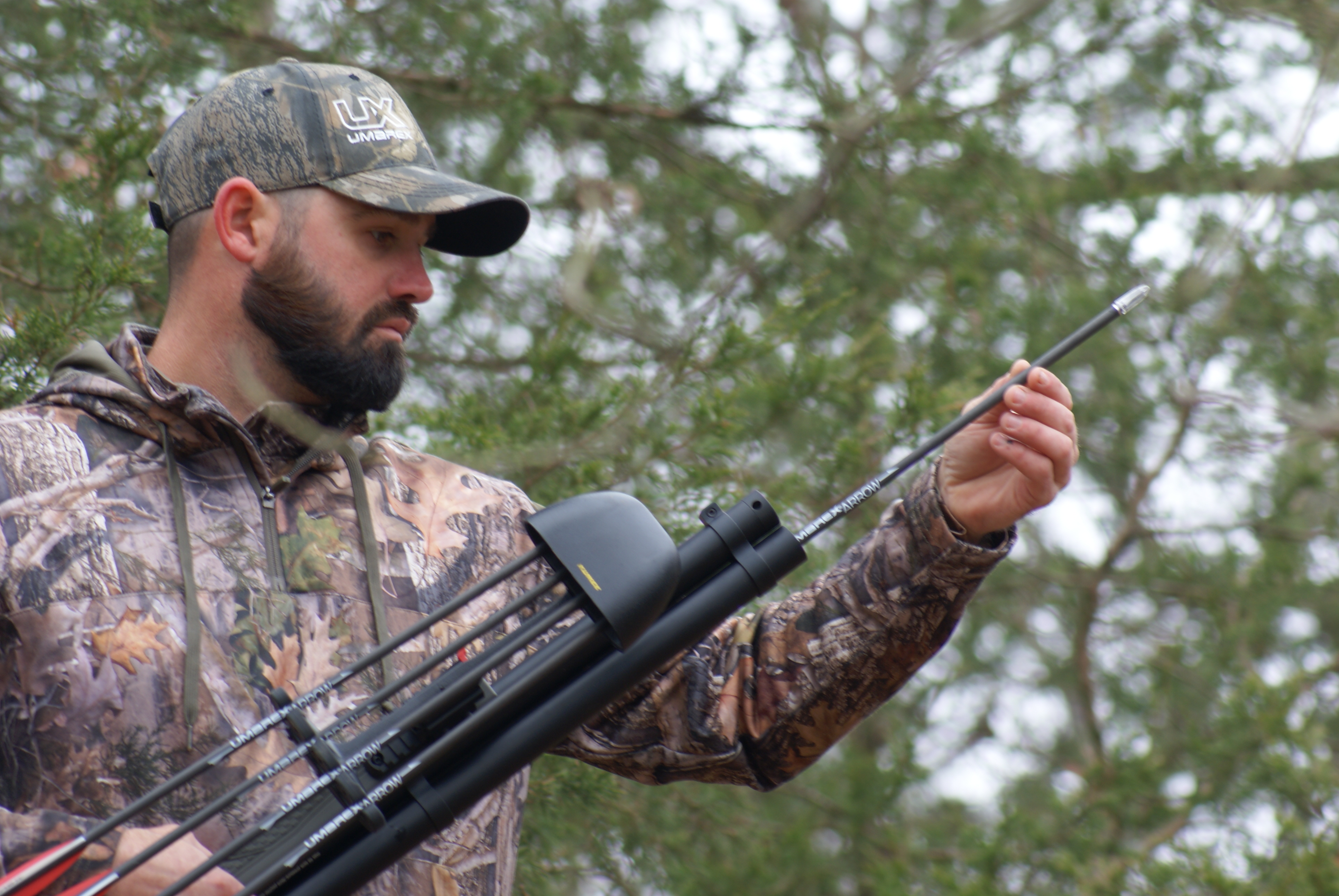
Air archery hunting equipment, including PCP arrow rifles, arrow guns, air-powered arrow-launching systems, air archery platforms, and related hunting accessories, may not be specifically addressed or permitted under the laws and regulations of every state, province, species, season, land type, or local jurisdiction. Regulations involving airguns, arrows, broadheads, hunting methods, caliber or energy requirements, species restrictions, seasons, public land rules, private land rules, and air-powered equipment may vary significantly and may change over time. Always contact your state or local fish and wildlife agency to verify the current legality of any equipment, species, method, season, and location before use. Nothing below should be interpreted as legal advice or as confirmation that any specific equipment or method is lawful in your area.
Quick Answer
Air archery hunting laws depend on the state, species, season, land type, equipment definition, projectile, broadhead, and local rules. A PCP arrow rifle, arrow gun, or airbow should not be assumed legal for hunting simply because it launches arrows or because it is capable of field use.
The most important legal point is classification. Air archery may not be treated the same as traditional bowhunting, crossbow hunting, firearm hunting, muzzleloader hunting, or standard airgun hunting. Some agencies use terms such as “arrow gun,” “air gun,” “pre-charged pneumatic,” or “airbow.” Others may not clearly define air-powered arrow systems at all.
Texas is a useful example of why hunters must read exact agency language. Texas Parks and Wildlife lists lawful archery equipment as compound bows, crossbows, longbows, and recurved bows, while also stating that arrow guns may not be used to hunt deer or wild turkey during archery season. Texas also has separate guidance for air guns and arrow guns, including ethical shot placement and recovery language.
Air archery is also part of a broader debate. Some archery organizations oppose arrow-shooting airguns in archery seasons because they do not use limbs and a string. Supporters often argue that air archery can expand access and opportunity where lawful. Both points explain why this category must be handled carefully, honestly, and legally.
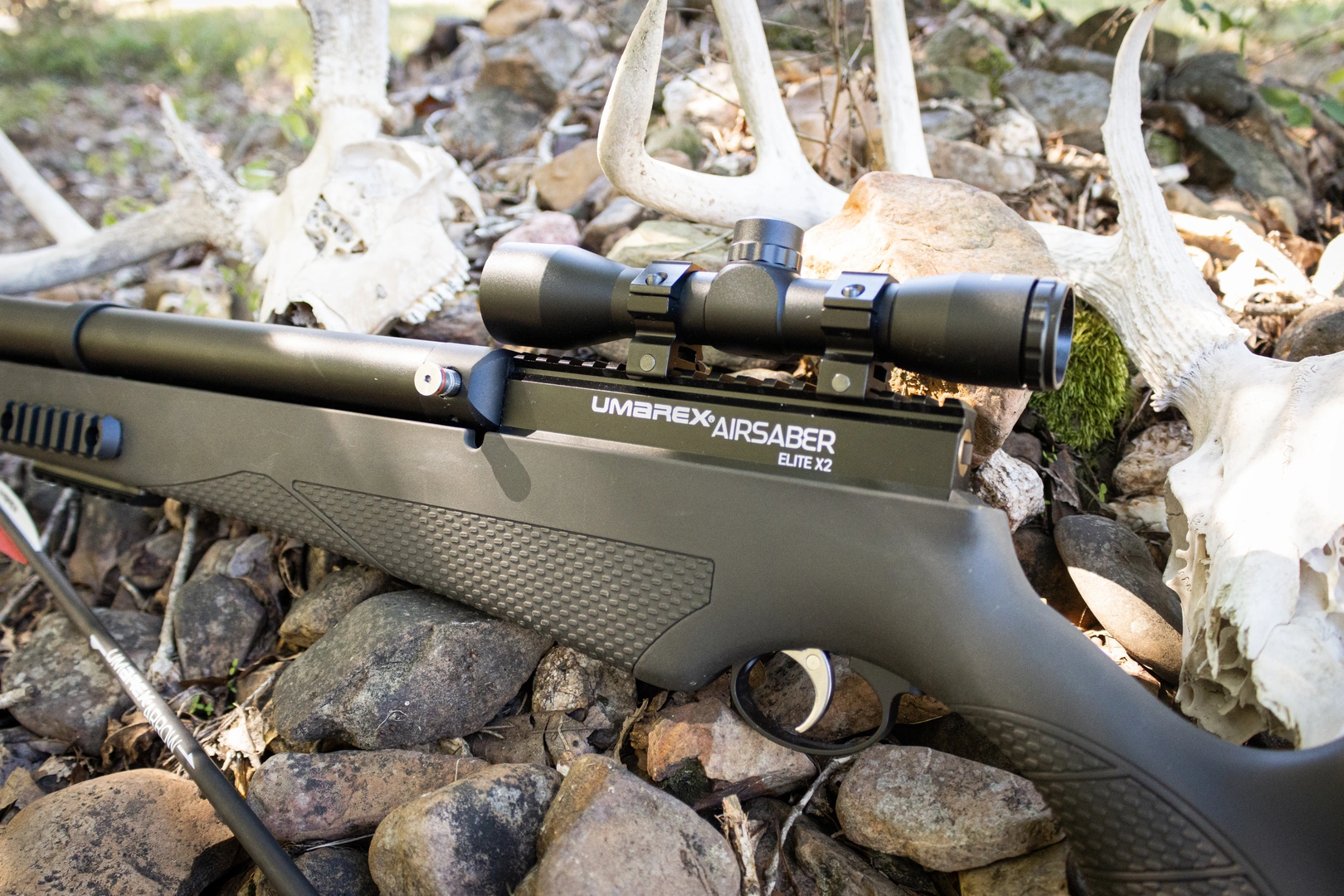
Product capability does not equal legal permission. Before hunting with an AirSaber, AirJavelin Pro, or any air archery platform, verify current rules with the responsible wildlife agency.
For the full category foundation, see Air Archery Hunting 101. For safe use, see Air Archery Hunting Safety Guide.
Why Air Archery Hunting Laws Are Complicated
Air archery hunting laws are complicated because the equipment does not fit neatly into older categories. Traditional hunting regulations were built around familiar tools: bows, crossbows, firearms, muzzleloaders, and later standard airguns. Air-powered arrow systems sit between those categories.
That creates a classification problem. An air archery platform launches an arrow, but it does not use bow limbs and a string. It may look somewhat like a crossbow to a new user, but it does not use cocked limbs. It uses compressed air, but it does not launch pellets or slugs like many airguns.
That is why one state may treat air archery as an arrow gun, another may treat it as an air-powered device, another may restrict it to certain seasons, and another may not clearly address it. Even when a state allows air guns for hunting, that does not automatically mean it allows arrow guns. Even when a state allows crossbows, that does not automatically mean it allows PCP arrow rifles.
Legal Question |
Why It Matters |
|
Does the state define arrow guns? |
Air archery may be treated separately from bows |
|
Does the state define airguns? |
Arrow-launching systems may or may not be included |
|
Does the season allow the method? |
Archery, firearm, and special seasons may differ |
|
Is the species eligible? |
Game laws often vary by animal |
|
Are projectile rules listed? |
Arrows and broadheads may have separate requirements |
|
Does public land add restrictions? |
Land rules can differ from statewide rules |
|
Has the agency confirmed unclear language? |
Ambiguity should be resolved before hunting |
The safest legal habit is simple: if the rule does not clearly allow the method, contact the agency before use.
Air Archery Is Not Automatically the Same as Bowhunting
Air archery launches arrows, but that does not make it traditional archery under every regulation.
This distinction matters because archery seasons are often built around specific equipment definitions. Some rules may define archery equipment by limbs, strings, draw weight, broadheads, or bow type. A PCP arrow rifle does not use a draw cycle, bowstring, or limb-powered launch system. That can place it outside the legal definition of archery equipment.
The Archery Trade Association’s position statement says it does not consider arrow-shooting airguns to be archery equipment and does not support their use in archery seasons because they lack standard archery components such as limbs and a string system.
That position is important because it reflects one side of the public debate. Some bowhunters and archery organizations are concerned about protecting the identity and structure of archery seasons. They may view air archery as a different method that should be regulated outside archery-only seasons.
Hunters do not need to turn that debate into conflict in order to act responsibly. The practical takeaway is clear: do not assume air archery is lawful during archery season. Verify the exact state rule, species rule, season rule, and equipment definition before hunting.
For a comparison of the systems, see Air Archery vs Traditional Bowhunting.
Air Archery Is Not Automatically the Same as Crossbow Hunting
Air archery is often compared to crossbows because both may be shoulder-fired and both launch arrow-style projectiles. That comparison can help readers understand the field experience, but it can create legal confusion.
A crossbow uses cocked limbs and a string. An air archery platform uses compressed air. A crossbow rule may not include air archery. A crossbow season may not include arrow guns. A regulation that says “crossbow” should not be stretched to include PCP arrow rifles unless the agency clearly says so.
Texas again offers a useful official example. Texas Parks and Wildlife includes crossbows in its lawful archery equipment list, but separately states that arrow guns may not be used to hunt deer or wild turkey during archery season.
That does not mean Texas rules apply elsewhere. It means exact wording matters. If a regulation mentions crossbows but does not mention arrow guns, airbows, PCP arrow rifles, or air-powered arrow systems, the hunter should not guess.
For the mechanical and field comparison, see Air Archery vs Crossbow Hunting.
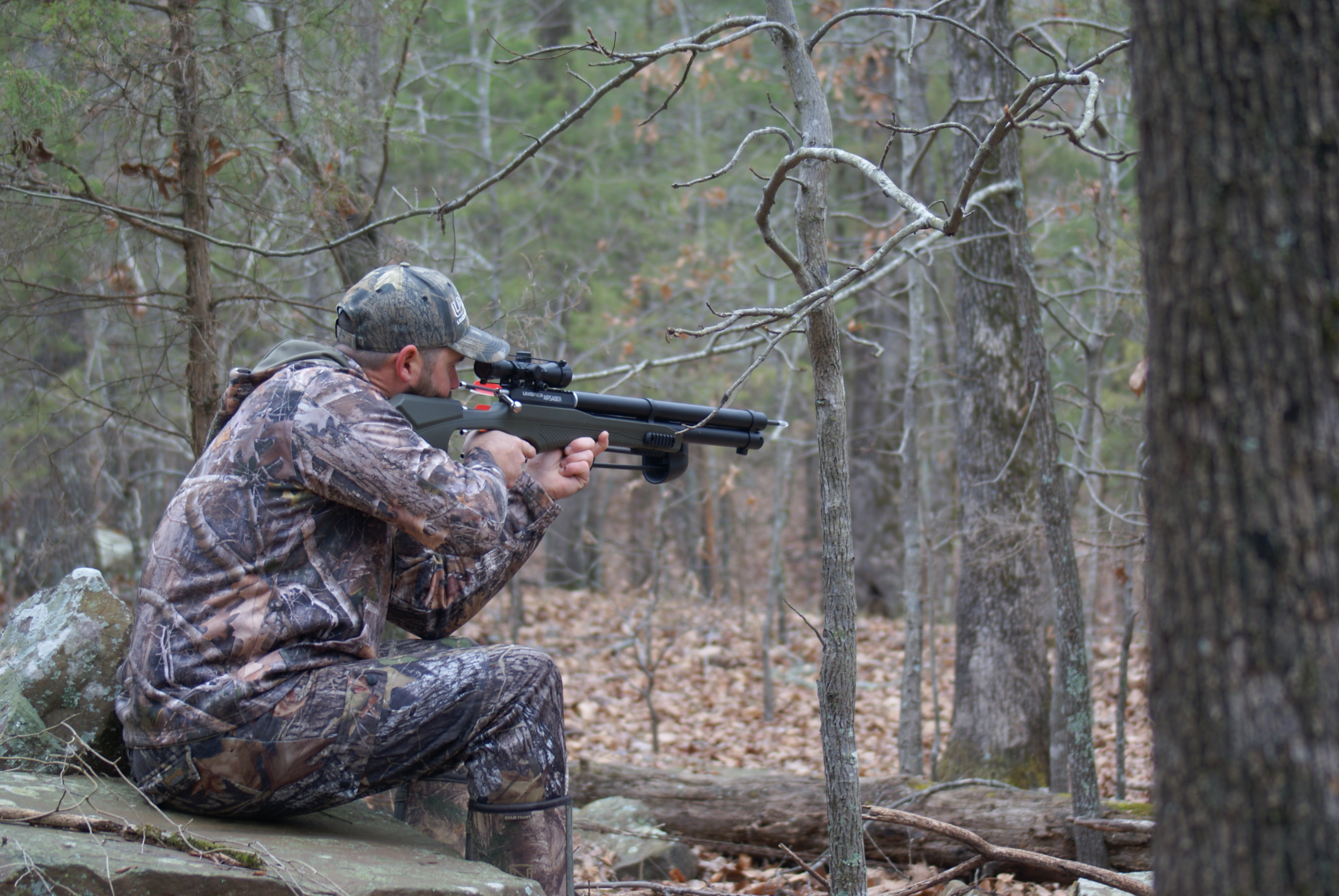
The Real Debate Around Air Archery Legalization
The debate around air archery is not simply about whether the equipment works. It is about where it belongs.
Supporters often argue that air archery can expand access, keep more people engaged in hunting, and create opportunity for hunters who may not be able to draw a vertical bow or who are interested in air-powered arrow technology. In one reported Oklahoma legislative debate, supporters described airbows as safe and effective while lawmakers debated where they should fit among existing seasons.
Opponents often argue that air archery should not be placed into archery seasons because the equipment does not require a draw cycle, does not use limbs and a string, and may change the identity or challenge of bow seasons. The ATA position reflects this concern by separating arrow-shooting airguns from archery equipment.
Both sides of the debate matter because regulators have to balance access, tradition, harvest management, hunter opportunity, safety, public perception, and conservation funding. Air archery is not just a product category. It is a regulatory category still being defined in many places.
Our position is straightforward: air archery should never be treated as a loophole. It should be used only where regulations clearly allow it, and it should be used so responsibly that it strengthens trust in the category.
Why Some Hunters Support Air Archery Legalization
Many supporters see air archery as an opportunity tool. It may help some hunters stay involved, start hunting, or return to the field when traditional draw cycles are difficult. It can also appeal to airgun users who want to participate in arrow-based hunting where lawful.
Access matters in hunting. Hunting participation supports license revenue, conservation funding, mentorship, outdoor skills, land stewardship, and wildlife management. When legal hunting opportunity expands responsibly, the whole hunting community can benefit.
Crossbows provide a useful comparison. For years, crossbow use was restricted in some archery seasons or allowed mainly for hunters with disabilities. Over time, many states expanded crossbow opportunity. Air archery may face a similar process of discussion, caution, and gradual definition, although hunters should not assume that air archery will follow the same path.
The strongest argument for air archery is not hype. It is responsible access. Where legal, air archery can provide another way for hunters to participate in arrow-based hunting while still respecting regulations, safety, ethics, and recovery.
Why Some Hunters Oppose Air Archery in Archery Seasons
Many hunters who oppose air archery in archery seasons are not necessarily anti-innovation. Their concern is often about season identity.
Traditional bowhunting requires a draw cycle, close-range movement control, physical form, and a particular style of field challenge. Some bowhunters worry that adding air-powered arrow systems to archery seasons could change season pressure, harvest dynamics, or the culture of the season.
The ATA position statement frames the issue around equipment definition. It recognizes arrow-shooting airguns as innovative shooting equipment but does not consider them archery equipment because they lack standard archery components.
That view should be represented fairly. Air archery does not need to attack bowhunting to earn credibility. The better path is to acknowledge the distinction, respect archery traditions, and support clear regulations that explain when and where air archery is lawful.
What Crossbow Legalization Can Teach Air Archery
Crossbows show that hunting equipment categories can evolve over time. In many places, crossbows were once more restricted than they are today. Some states limited crossbows to hunters with disabilities or restricted them to certain seasons. Later, many states expanded crossbow use as agencies, hunters, and lawmakers reconsidered access and opportunity.
That history does not guarantee the same path for air archery. Crossbows still use limbs and strings. Air archery uses compressed air. The categories are different. But the crossbow example does show that hunting regulations are not frozen forever.
The lesson is patience and responsibility. New methods earn acceptance through clear rules, safe behavior, ethical field use, honest education, and agency trust. Air archery hunters who want the category to grow should avoid reckless claims, unsafe demonstrations, and attempts to stretch unclear regulations.
Where air archery is legal, use it well. Where it is not legal, respect the law.
The Difference Between Firearm Season and Archery Season
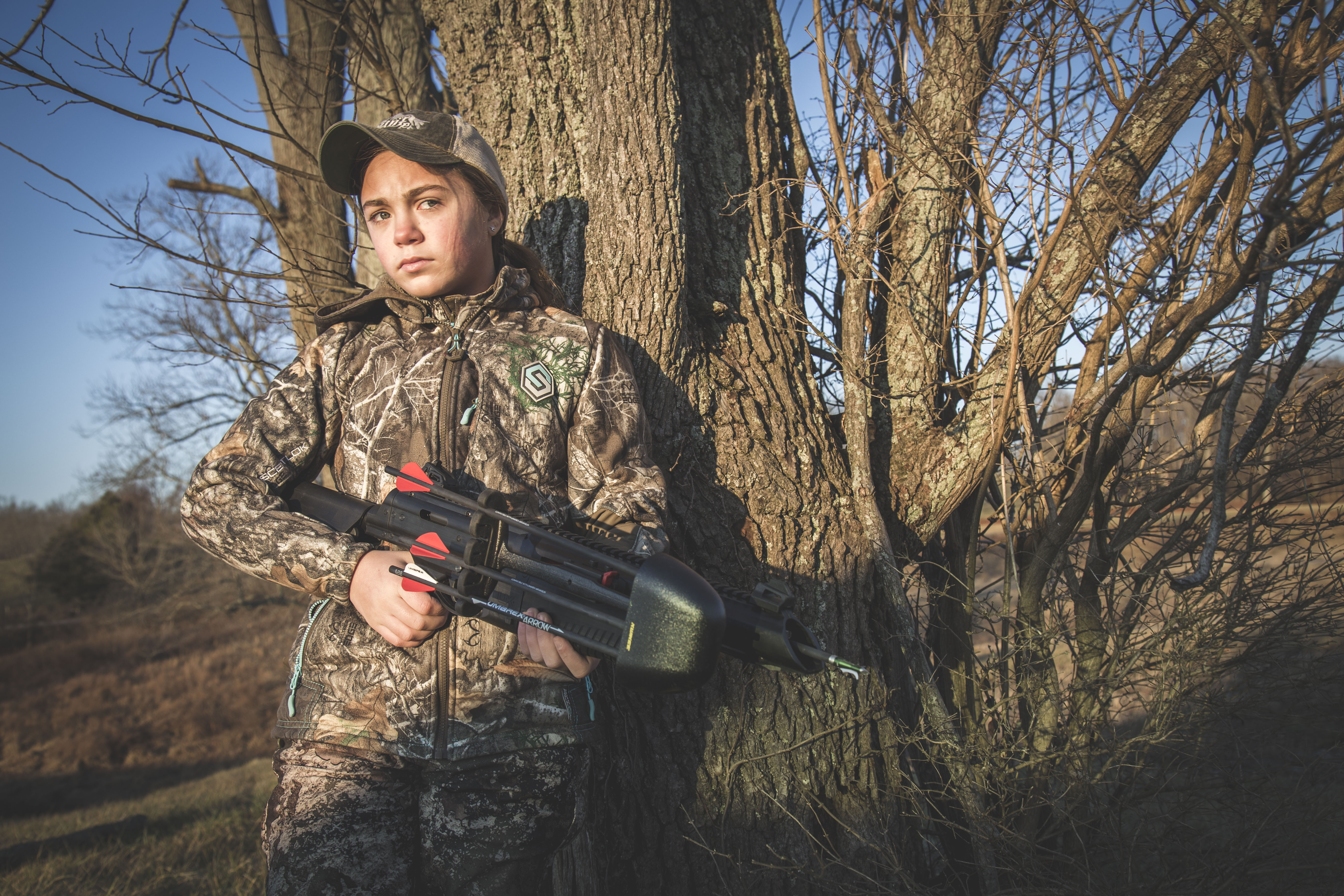
One of the most important legal distinctions is season type. A state may allow air archery or arrow guns during firearm seasons while excluding them from archery seasons. Another state may allow them only under certain permits, species, or equipment definitions.
Oklahoma law provides an example of how a state can place air bows in a specific season context. Oklahoma statute states that air bows are a legal hunting method during any open season when rifles are a legal means of take, with a required stamp issued by the Oklahoma Wildlife Conservation Commission.
Texas provides a different example. Texas has air gun and arrow gun rules, but its means and methods page states that arrow guns may not be used to hunt deer or wild turkey during archery season.
Those examples show why “Is air archery legal?” is not specific enough. The better question is: legal for what species, in what season, on what land, with what projectile, under what agency definition?
Season Question |
Why It Matters |
|
Is this archery season? |
Air archery may be excluded |
|
Is this firearm season? |
Some states may allow air bows only when rifles are lawful |
|
Is this a special permit season? |
Equipment rules may be narrower |
|
Is the species listed for arrow guns? |
Legal methods often vary by species |
|
Is public land involved? |
Public lands may add restrictions |
|
Is a stamp or endorsement required? |
Some states may require extra authorization |
This is why hunters must verify the exact regulation before every hunt.
Terms Agencies May Use
Different agencies may use different terms for the same or similar equipment. That can make legal research confusing.
Some may use “arrow gun.” Some may use “airbow.” Some may use “pre-charged pneumatic arrow gun.” Some may use “air gun” broadly but treat arrow-shooting systems separately. Some may not use “air archery” at all.
Term |
What It May Mean |
|
Air archery |
General category for air-powered arrow-launching systems |
|
Arrow gun |
Common regulatory term for arrow-launching air-powered equipment |
|
Airbow |
Common consumer term, but not always an official legal term |
|
PCP arrow rifle |
Pre-charged pneumatic platform that launches arrows |
|
Air gun |
May refer to pellet, slug, or arrow systems depending on the regulation |
|
Lawful archery equipment |
May exclude air-powered arrow systems |
|
Crossbow |
Usually limb-and-string equipment, not air-powered arrow rifles |
Do not rely on one term. Search the regulation for all possible terms, then contact the agency if the language remains unclear.
Species Rules Matter More Than Product Capability
A product may be designed for hunting applications, but species rules control lawful use. A platform that may be allowed for one species may be prohibited for another. A method allowed for nongame or invasive species may not be allowed for deer, turkey, elk, bear, or other game animals.
This distinction matters because users often ask whether a specific product is “legal for hunting.” The better question is always more specific: legal for which species, in which state, during which season, on which land, with which projectile?
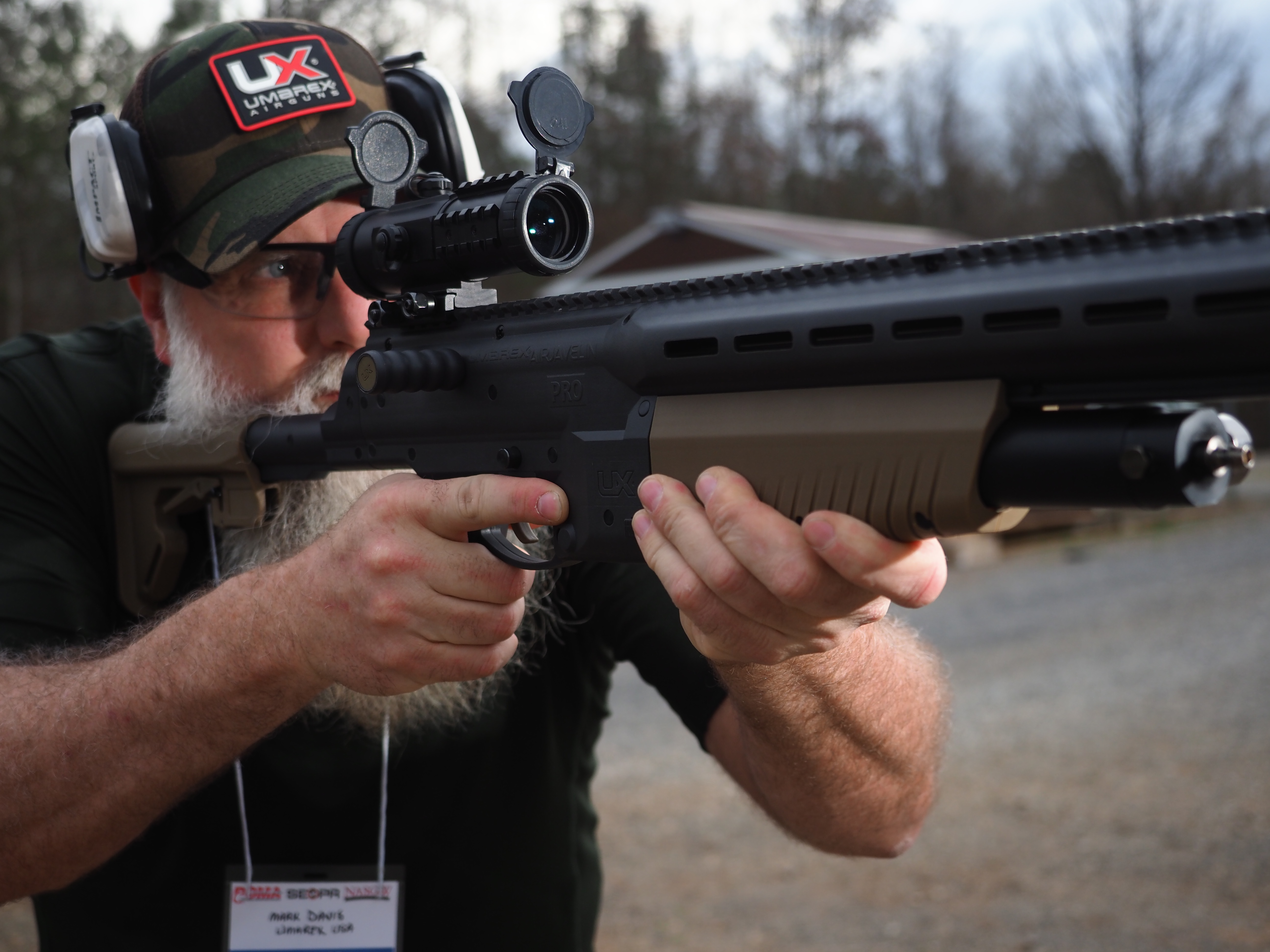
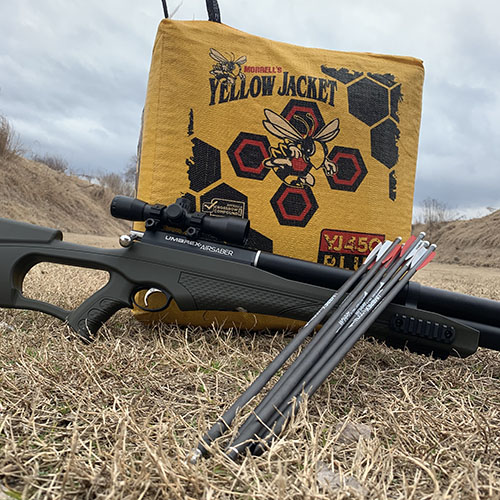
The AirSaber product page lists it as a PCP air archery arrow rifle with specifications such as velocity, energy, and required AirSaber arrows. Those specifications help explain the product, but they do not authorize use for any species. The AirJavelin Pro product page lists compact PCP air archery specifications and related AirJavelin accessories, but lawful hunting use still depends on current regulations.
Product pages describe products. Wildlife agencies determine legal methods.
Broadhead, Arrow, and Projectile Requirements
Air archery laws may include projectile rules. These can involve arrow type, broadhead type, minimum cutting diameter, fixed or mechanical broadheads, arrow weight, velocity, or other standards.
Texas Parks and Wildlife states that arrows or bolts used with an arrow gun must conform to the same standards for projectiles for archery. It also distinguishes arrow guns from archery-only season legality for deer and wild turkey.
That kind of rule shows why hunters need to verify both the platform and the projectile. An arrow gun might be allowed in one context, but the arrow or broadhead still has to meet legal standards. A broadhead that fits mechanically may still be unlawful for a specific species or season.
For equipment setup guidance, see Choosing and Tuning Arrows for Air Archery Systems.
Public Land, Private Land, and Local Rules
Statewide legality does not always settle the question. Public land, private land, county restrictions, local ordinances, wildlife management areas, refuges, special hunts, and access rules may add restrictions.
A method allowed on private land may be restricted on a wildlife management area. A season open statewide may have special rules in a specific county. A local area may have discharge restrictions, access hours, or equipment rules.
Before hunting, verify:
-
state regulations
-
species rules
-
season rules
-
public land regulations
-
wildlife management area rules
-
local ordinances
-
private land permission
-
transport and storage rules
-
tagging and reporting requirements
Legal use is not only about the platform. It is about the entire hunt.
How to Verify Air Archery Hunting Legality Before a Hunt
The safest verification process is direct and documented.
Start with the current state hunting regulation guide or wildlife agency website. Search for air gun, arrow gun, airbow, pre-charged pneumatic, archery equipment, crossbow, lawful means, projectile, and broadhead. Then check the species page, season page, public land page, and license requirements.
If the answer is unclear, contact the agency. Ask specific questions. General questions get general answers. Specific questions reduce confusion.
What to Verify |
What to Ask |
|
Equipment category |
Does this state allow PCP arrow rifles or arrow guns? |
|
Species |
Is this method legal for the species I plan to hunt? |
|
Season |
Is it legal during this season, or only another season? |
|
Projectile |
Are there arrow or broadhead requirements? |
|
Land |
Are there public land or WMA restrictions? |
|
License |
Is a stamp, endorsement, or permit required? |
|
Recovery |
Are tracking dogs, tagging, or reporting rules involved? |
|
Local rules |
Are there county, city, or access restrictions? |
Do not rely on old charts, forum comments, social media posts, or screenshots. Laws change, and the hunter is responsible for current compliance.
Why Air Archery Is Still Not Allowed Everywhere
Air archery is still not allowed everywhere because the category is newer, less familiar, and not always easy to place inside existing regulations. Agencies may need time to evaluate harvest impact, season structure, public input, equipment performance, enforcement clarity, and hunter education needs.
Some resistance also comes from hunting culture. Archery hunters may worry about protecting archery seasons. Agencies may worry about definitions and enforcement. Legislators may hear competing arguments about access, tradition, safety, and fairness.
That does not mean air archery lacks value. It means the category must earn trust through responsible use and clear regulation. Hunters should avoid treating uncertainty as permission. If air archery is not clearly legal where you hunt, do not use it.
Responsible Legal Use Helps the Category Grow
Where air archery is lawful, responsible hunters can help the category grow by using it carefully and representing it honestly.
That means:
-
follow current regulations
-
use approved arrows
-
test broadheads
-
stay within practiced distances
-
take ethical shots
-
recover responsibly
-
avoid exaggerated public claims
-
respect bowhunters, crossbow hunters, and other hunting communities
-
contact agencies when rules are unclear
-
do not present air archery as a loophole
Texas Parks and Wildlife’s air gun and arrow gun guidance emphasizes ethical shots, vital-organ placement, and recovery patience. That kind of guidance should shape how air archery users behave wherever the method is lawful.
The future of air archery depends less on loud arguments and more on responsible examples.
For ethics guidance, see Ethical Air Archery Hunting Practices. For shot placement and follow-up, see Air Archery Shot Placement and Recovery.
Where AirSaber and AirJavelin Pro Fit Legally
AirSaber and AirJavelin Pro are air archery products. Their product specifications explain what the platforms are designed to do. They do not determine whether any particular hunt is legal.
AirSaber is an air archery arrow rifle built around high-pressure PCP operation and AirSaber arrows. AirJavelin Pro is a compact PCP air archery platform with its own pressure system and compatible arrow ecosystem. Both should be understood as air-powered arrow systems, not traditional bows or crossbows.
The legal question is never just “Can this product hunt?” The legal question is: does the responsible wildlife agency allow this equipment for this species, season, land type, projectile, and method?
Product Question |
Legal Reality |
|
Is AirSaber designed for air archery? |
Yes, but legal use still depends on regulations |
|
Is AirJavelin Pro an air archery platform? |
Yes, but lawful hunting use must be verified |
|
Does product performance equal permission? |
No |
|
Can arrows or broadheads affect legality? |
Yes |
|
Can season type affect legality? |
Yes |
|
Should hunters contact the agency if unclear? |
Yes |
For product mechanics, see How PCP Arrow Rifles Work.
Common Legal Mistakes Hunters Make
The first mistake is assuming that “arrow” means “archery.” Air archery launches arrows, but many archery rules are written around bows.
The second mistake is assuming that crossbow legality means air archery legality. Crossbows and PCP arrow rifles use different power systems and may be regulated separately.
The third mistake is relying on outdated legal lists. Air archery laws can change, and old charts can be wrong.
The fourth mistake is checking only state law and ignoring species, season, public land, or local rules.
The fifth mistake is treating product marketing or product specifications as legal permission.
Mistake |
Better Practice |
|
Assuming air archery equals archery |
Read equipment definitions carefully |
|
Assuming crossbow rules apply |
Check for arrow gun or airbow language |
|
Using old legal charts |
Verify current agency rules |
|
Checking only one regulation page |
Confirm species, season, land, and projectile |
|
Ignoring public land rules |
Check WMA or access-specific restrictions |
|
Treating specs as permission |
Contact the agency if unclear |
Legal responsibility belongs to the hunter.
What to Ask Your Wildlife Agency
When contacting a wildlife agency, ask clear questions. Include the equipment type, species, season, location, and projectile setup.
Useful questions include:
-
Does your agency allow PCP arrow rifles or arrow guns for hunting?
-
Are air-powered arrow systems legal for this species?
-
Are they legal during archery season, firearm season, or another season?
-
Are they allowed on public land or wildlife management areas?
-
Are there arrow, broadhead, weight, velocity, or energy requirements?
-
Is a special stamp, endorsement, permit, or license required?
-
Are there transport or loaded-equipment rules?
-
Are there tracking, tagging, reporting, or recovery rules?
-
Is there written guidance I can review before hunting?
Ask for current written guidance when possible. Save the agency’s answer for your own records.
Key Takeaways
Air archery hunting legality depends on state, species, season, land type, equipment definition, projectile, and local rules.
Air archery is not automatically legal because it launches arrows.
Air archery is not automatically archery equipment.
Air archery is not automatically crossbow equipment.
Some agencies use terms such as arrow gun, airbow, air gun, or pre-charged pneumatic.
Texas Parks and Wildlife provides an example of separate treatment: arrow guns may not be used to hunt deer or wild turkey during archery season, even though Texas has air gun and arrow gun regulations.
Some hunters and organizations oppose air archery in archery seasons because the equipment lacks limbs and a string, while supporters often argue that air archery can expand access and opportunity where lawful.
Product capability does not equal legal permission.
Hunters should verify current regulations directly with the responsible wildlife agency before use.
FAQ
Is air archery legal for hunting?
Air archery legality depends on the state, species, season, land type, equipment definition, projectile, and local rules. Verify current regulations with the responsible wildlife agency before hunting.
Is AirSaber legal for deer hunting?
Do not assume legality. AirSaber is an air archery arrow rifle, but lawful deer hunting use depends on the state, season, land type, equipment definition, and projectile rules. Contact the responsible wildlife agency before use.
Is air archery legal during archery season?
Not automatically. Some states may exclude arrow guns or air-powered arrow systems from archery seasons. Texas, for example, states that arrow guns may not be used to hunt deer or wild turkey during archery season.
Is an airbow the same as a crossbow legally?
Not necessarily. A crossbow uses limbs and a string. An airbow or PCP arrow rifle uses compressed air. Regulations may classify them differently.
Why do some bowhunters oppose air archery in archery seasons?
Some bowhunters and archery organizations argue that arrow-shooting airguns are not archery equipment because they do not use limbs and a string, and that they should not be used during archery seasons.
Why do some hunters support air archery legalization?
Supporters often argue that air archery can expand access, increase opportunity, and help more hunters participate where lawful. Some legislative debates have framed airbows as safe and effective while still debating which seasons should include them.
Should hunters rely on online legal-state charts?
No. Online charts can become outdated or oversimplify the law. Always verify current rules with the responsible wildlife agency.
Works Cited
Umarex USA. “The State of Air Archery Hunting in the USA.” Used for Umarex category context and example language showing that arrow-shooting airguns may be allowed in some contexts but excluded from archery seasons in others. https://www.umarexusa.com/the-state-of-air-archery-hunting-in-the-usa
Texas Parks and Wildlife Department. “Hunting Means and Methods.” Used for official example language defining lawful archery equipment, distinguishing arrow guns, and explaining that arrow guns may not be used to hunt deer or wild turkey during archery season in Texas. https://tpwd.texas.gov/regulations/outdoor-annual/hunting/general-regulations/means-and-methods
Texas Parks and Wildlife Department. “Air Gun and Arrow Gun Regulations.” Used for official example language around air guns, arrow guns, ethical shot placement, vital-organ placement, and recovery caution. https://tpwd.texas.gov/regulations/outdoor-annual/hunting/air-gun-arrow-gun-regulations
Archery Trade Association. “Position Statements.” Used for the ATA position that arrow-shooting airguns are not considered archery equipment and are not supported for use in archery seasons. https://archerytrade.org/about-ata/position-statements/
MeatEater. “First in the Nation Bill Would Legalize Airbows During Archery Season.” Used for context on the public policy debate around airbow legalization, access arguments, safety/effectiveness claims, and season-placement debate. https://www.themeateater.com/conservation/general/first-in-the-nation-bill-would-legalize-airbows-during-archery-season
Oklahoma Statutes, Title 29, Section 5-213. Used for official statutory example language stating that air bows are legal during any open season when rifles are a legal means of take, with a required stamp. https://law.justia.com/codes/oklahoma/title-29/section-29-5-213/