


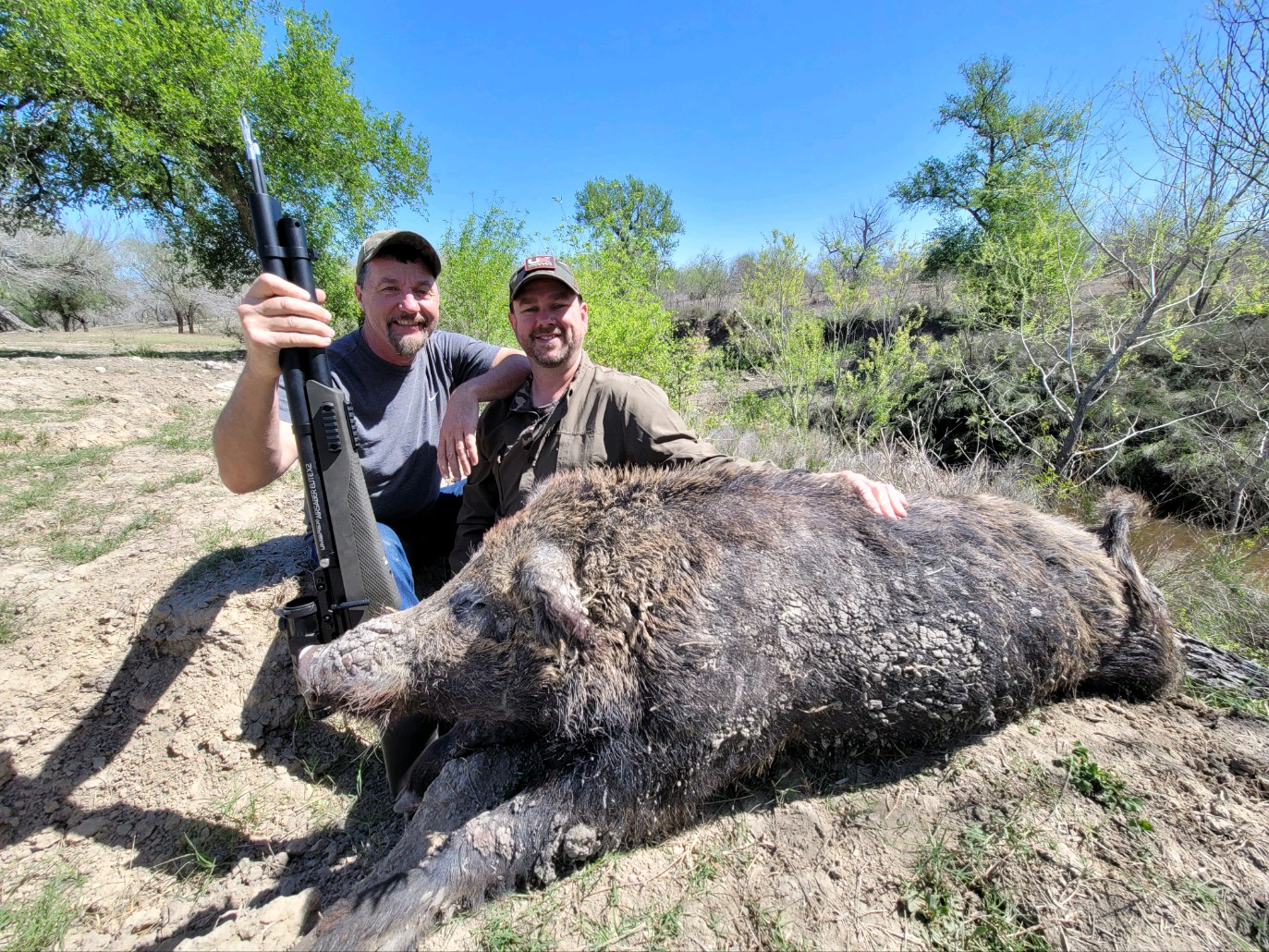
Air archery hunting equipment, including PCP arrow rifles, arrow guns, air-powered arrow-launching systems, air archery platforms, and related hunting accessories, may not be specifically addressed or permitted under the laws and regulations of every state, province, species, season, land type, or local jurisdiction. Regulations involving airguns, arrows, broadheads, hunting methods, caliber or energy requirements, species restrictions, seasons, public land rules, private land rules, and air-powered equipment may vary significantly and may change over time. Always contact your state or local fish and wildlife agency to verify the current legality of any equipment, species, method, season, and location before use. Nothing below should be interpreted as legal advice or as confirmation that any specific equipment or method is lawful in your area.
Quick Answer
Air archery hunting safety starts with treating every PCP arrow rifle as a serious hunting tool. Safe use requires manufacturer-approved arrows, careful broadhead handling, correct compressed-air filling, muzzle awareness, safe backstops, equipment inspection, lawful use verification, realistic practice, and ethical shot selection.
Air archery systems are not traditional bows, crossbows, or standard pellet rifles. They use compressed air to launch arrows. That means safety depends on the full system: the air reservoir, pressure limits, compatible arrows, broadheads, optic, user handling, field conditions, and legal use.
Our AirSaber product guidance warns users to use only Umarex AirSaber arrows because arrows made for bows and crossbows are not strong enough for the high air pressure involved and can fail dangerously. Our AirJavelin Pro product page lists a PCP air archery platform with a 4,500 PSI maximum fill pressure, 1,500 PSI regulator, 25 effective shots per fill, and 370 FPS velocity with a 170-grain arrow.
For the larger category foundation, see Air Archery Hunting 101. For arrow setup, tuning, and broadhead guidance, see Choosing and Tuning Arrows for Air Archery Systems.
Why Air Archery Safety Matters
Air archery safety matters because PCP arrow rifles combine compressed-air technology with arrow-based hunting. That combination is useful and exciting, but it also means users need to understand more than one safety tradition. A safe air archery user thinks like an airgun owner, an archer, and a hunter at the same time.
The compressed-air side requires respect for pressure limits, fill equipment, fittings, reservoirs, and manufacturer instructions. The arrow side requires approved shafts, careful inspection, broadhead control, safe backstops, and a clear understanding of what lies beyond the target. The hunting side requires legal verification, ethical shot placement, recovery planning, and restraint.
Many safety issues begin before the user ever reaches the field. A wrong arrow, damaged shaft, loose broadhead, unclear legal status, poor backstop, or unfamiliar fill procedure can create risk before the first shot. That is why safe use begins at home with inspection, setup, and planning.
Air archery should never be treated as casual experimentation. These platforms launch arrows with serious force. They deserve the same care you would bring to any hunting tool capable of causing injury, property damage, or unlawful take if used carelessly.

How Air Archery Safety Differs From Bow and Airgun Safety
Air archery overlaps with bow safety, crossbow safety, and airgun safety, but it is not identical to any one of them. The projectile is an arrow, but the power source is compressed air. That single difference changes how the platform should be inspected, loaded, filled, and practiced with.
A traditional bow requires draw-cycle awareness, string safety, arrow fit, broadhead handling, and safe shooting lanes. A crossbow adds cocking, limb tension, trigger discipline, bolt fit, and decocking procedures. A standard airgun adds air pressure, pellets or slugs, muzzle direction, and backstop awareness. Air archery combines parts of these concerns but uses its own platform-specific rules.
The biggest mistake is assuming familiarity with one category automatically transfers to the other. A bowhunter may understand broadheads and recovery but not PCP fill systems. A PCP airgun shooter may understand compressed air but not arrow compatibility or broadhead flight. A crossbow hunter may understand shoulder-fired arrow platforms but still need to learn why air archery arrows are different from crossbow bolts.
|
Safety Area |
Traditional Bow |
Crossbow |
PCP Arrow Rifle |
|
Power source |
Limbs and string |
Cocked limbs and string |
Stored compressed air |
|
Projectile |
Arrow |
Bolt or arrow-style projectile |
Platform-compatible arrow |
|
Primary setup concern |
Draw, arrow fit, release |
Cocking, bolt fit, decocking |
Fill pressure, approved arrows, platform handling |
|
Major safety issue |
Drawing and releasing safely |
Cocked limb energy |
Pressure system and arrow compatibility |
|
Legal concern |
Archery definitions |
Crossbow rules |
Arrow gun or air archery classification |
For a deeper mechanical comparison, see Air Archery vs Crossbow Hunting and Air Archery vs Traditional Bowhunting.
Treat Every Air Archery System as a Serious Hunting Tool
A safe mindset is the foundation of air archery hunting. The platform should be handled with consistent muzzle awareness, trigger discipline, target awareness, and respect for what an arrow can do after launch.
Do not allow the modern feel of a PCP arrow rifle to make the system seem less serious. Air archery platforms may look familiar to airgun users, but they are launching arrows, not pellets. Arrows behave differently, require different backstops, and create different recovery responsibilities.
Treat the platform as ready to cause harm if mishandled. Keep it pointed in a safe direction. Keep fingers away from the trigger until the shot is legal, ethical, and intentional. Do not load an arrow until the shooting situation is controlled. Do not handle broadheads casually. Do not allow others to stand forward of the shooting position.
The best safety habit is consistency. A user who handles the system the same careful way every time is less likely to make a rushed mistake when a hunting opportunity appears.

Arrow Compatibility Is a Safety Requirement
Arrow compatibility is one of the most important air archery safety rules. The arrow must be approved for the platform. It must be strong enough, long enough, correctly designed, and suitable for the pressure system.
Our AirSaber product page gives a clear warning: use only Umarex AirSaber arrows with the AirSaber arrow gun. It explains that AirSaber arrows are engineered to handle extremely high air pressure and that arrows for bows and crossbows are not strong enough for that pressure environment.
That warning should shape how users think about every air archery platform. A standard bow arrow should not be assumed compatible because it looks similar. A crossbow bolt should not be assumed compatible because it is also an arrow-style projectile. The fit and pressure environment are different.
Arrow Safety Check |
Why It Matters |
|
Platform-approved arrow |
Prevents unsafe substitution |
|
Shaft condition |
Cracks or damage can worsen under pressure |
|
Correct length |
Supports proper fit and launch behavior |
|
Correct arrow type |
Matches the platform design |
|
Broadhead fit |
Prevents misalignment or unsafe attachment |
|
Vane condition |
Supports predictable flight |
|
Manufacturer guidance |
Controls safe arrow selection |
For deeper arrow setup guidance, see Choosing and Tuning Arrows for Air Archery Systems.
Safe Handling and Muzzle Awareness
Muzzle awareness matters in air archery even though the projectile is an arrow. The front of the platform should never be pointed at anything the user does not intend to shoot. That habit applies during loading, practice, transport, field movement, blind setup, and after the shot.
Arrows create a different visual expectation than pellets or slugs. Because the projectile is larger and often visible, some users may treat the system too casually while loading or checking the arrow. That is a mistake. A loaded air archery platform should be handled with the same serious discipline as any hunting tool.
Safe handling also includes awareness of people around the shooter. No one should stand beside or forward of the platform where an arrow, broadhead, or equipment issue could create risk. Broadheads should remain covered or controlled until the setup is ready and lawful to use.
Safe handling is not only about avoiding accidents. It also protects public perception. Air archery is still unfamiliar to many people. Careful, calm handling helps show that the category belongs in responsible hunting conversations.
Loading and Unloading Safety
Loading an air archery system should be slow, deliberate, and done according to manufacturer instructions. The user should understand the platform before inserting an arrow. If the user is unsure how the system loads, the platform should not be used until the manual and manufacturer guidance have been reviewed.
The arrow should be inspected before loading. Check for shaft damage, loose components, broadhead alignment, vane damage, and anything that feels different from the other arrows in the set. A questionable arrow should not be loaded.
Unloading should also follow manufacturer guidance. Do not improvise. Do not assume a PCP arrow rifle unloads like a crossbow or traditional bow. The pressure system, arrow position, and safe direction all matter.
Loading Step |
Safety Purpose |
|
Confirm safe direction |
Controls risk before the arrow is inserted |
|
Inspect the arrow |
Prevents use of damaged components |
|
Verify approved arrow type |
Avoids unsafe substitution |
|
Keep finger off trigger |
Prevents unintended discharge |
|
Confirm target and backstop |
Ensures a controlled shooting environment |
|
Follow manufacturer unloading guidance |
Avoids unsafe improvisation |
Loading should never feel rushed. If the situation is chaotic, crowded, or uncertain, the platform should remain unloaded.

Broadhead Handling and Transport
Broadheads demand extra care. A broadhead is designed to cut, and that means it can injure during handling long before it ever reaches a target. Fixed broadheads, mechanical broadheads, field points, and practice heads should all be handled with a clear routine.
Fixed broadheads have exposed blades. They should be covered, stored securely, and handled only when the arrow is controlled. Mechanical broadheads may look less exposed before deployment, but they still have blades and moving parts that must be inspected. Do not assume a mechanical head is safe because the blades are closed.
Transport should keep arrows secure and broadheads protected. Loose arrows in a vehicle, pack, blind, or gear box can damage equipment and create injury risk. A broadhead that becomes loose or misaligned during transport should not be trusted until inspected.
Broadhead Inspection Point |
What to Check |
|
Blade condition |
No bends, chips, looseness, or damage |
|
Ferrule alignment |
Broadhead sits straight on the arrow |
|
Thread fit |
Broadhead tightens securely |
|
Mechanical retention |
Blades stay closed until intended deployment |
|
Practice confirmation |
Point of impact is verified before hunting |
|
Legal compliance |
Broadhead type is lawful for the intended use |
For arrow and broadhead tuning detail, see Choosing and Tuning Arrows for Air Archery Systems.
Compressed Air and Fill-System Safety
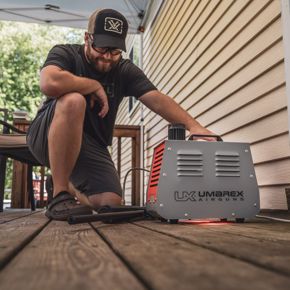
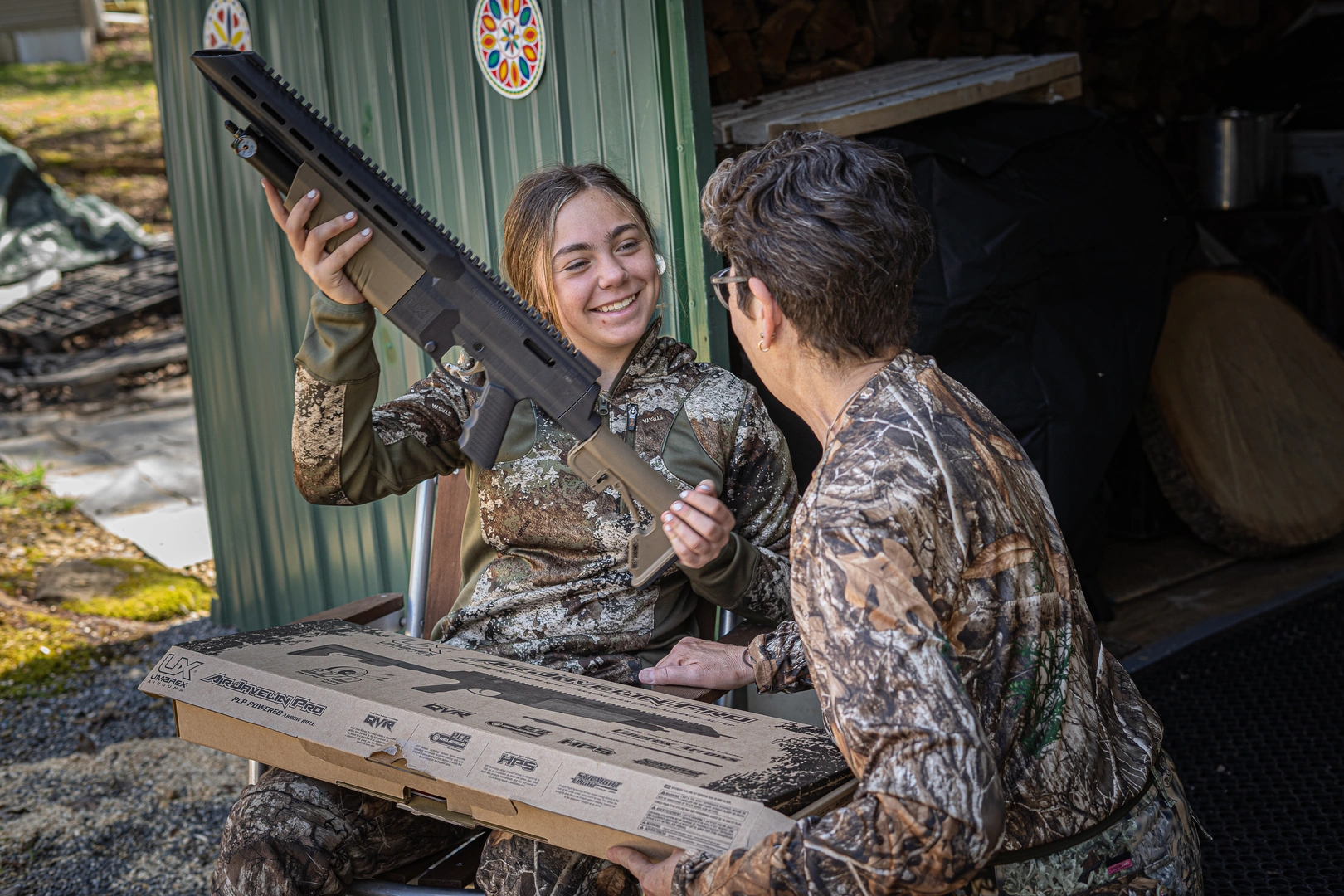
PCP arrow rifles use stored compressed air. That makes fill-system safety a core part of air archery safety. Users should understand the platform’s pressure limits, fill fittings, fill equipment, and manufacturer instructions before filling the system.
Our AirJavelin Pro product page lists a 4,500 PSI maximum fill pressure and a 1,500 PSI regulator. Our AirSaber product page lists a 3,625 PSI max fill pressure and a Foster quick-disconnect compatible fill probe. These numbers are not casual details. They tell the user what kind of pressure environment the platform is built around.
Never guess with high-pressure air. Do not use damaged hoses, questionable fittings, improvised connectors, or unknown fill sources. Do not exceed the platform’s pressure limits. Do not fill a system that appears damaged or has not been inspected.
Compressed air safety is mostly about discipline before the shot. A user who understands filling, pressure, and equipment condition is less likely to create a problem later in the field.
Safe Practice and Backstop Selection
Practice is safety. A user who has not practiced with the platform, arrow, optic, and point setup should not hunt with it. Air archery systems require familiarity before field use, especially because arrow flight, pressure behavior, and broadhead impact may differ from what a bowhunter or airgun shooter expects.
The practice area needs a safe target and backstop appropriate for arrows. A pellet trap is not an air archery backstop. A thin target that works for low-energy archery practice may not be adequate for a PCP arrow rifle. The target and backstop should be chosen for the exact platform and arrow setup being used.
Practice should include field-point confirmation and, where lawful and safe, broadhead point-of-impact testing. A setup that groups well with field tips may shift with broadheads. A mechanical broadhead should be checked for reliable blade retention and impact behavior. A fixed broadhead should be tested for flight consistency and alignment.
Practice Area Factor |
Why It Matters |
|
Suitable arrow target |
Stops the correct projectile safely |
|
Safe backstop |
Protects beyond the target |
|
Clear surroundings |
Keeps people and property out of danger |
|
Realistic distances |
Builds field-relevant skill |
|
Exact arrow setup |
Confirms actual point of impact |
|
Broadhead testing |
Reveals flight or deployment issues |
|
Inspection after groups |
Finds damage before reuse |
Practice is not a formality. It is how the user learns what the exact system does before the hunt.
Tree Stand and Blind Safety Considerations
Air archery systems can be used from different hunting positions where lawful, but each position changes safety. Tree stands, elevated platforms, ground blinds, and spot-and-stalk conditions all create different handling challenges.
From a tree stand, the user must think about safe lifting, lowering, loading status, muzzle direction, arrow handling, broadhead protection, and fall-prevention practices. A platform should not be loaded while being hoisted. Broadheads should be controlled so they do not cut gear, rope, clothing, or the user.
Inside a ground blind, platform length, arrow clearance, window height, and shooting direction matter. A blind can make equipment feel contained, but it can also create tight angles and blind spots. A broadhead or arrow should never be allowed to contact fabric, frame poles, chairs, packs, or another person.
The field lesson is simple. A safe shooting position is not only about seeing game. It is about whether the user can handle the platform, arrow, broadhead, and follow-through without risking people, property, or recovery.
Pre-Hunt Inspection Checklist
A pre-hunt inspection keeps small problems from reaching the field. It should happen before every outing, even when the platform worked properly during the last trip.
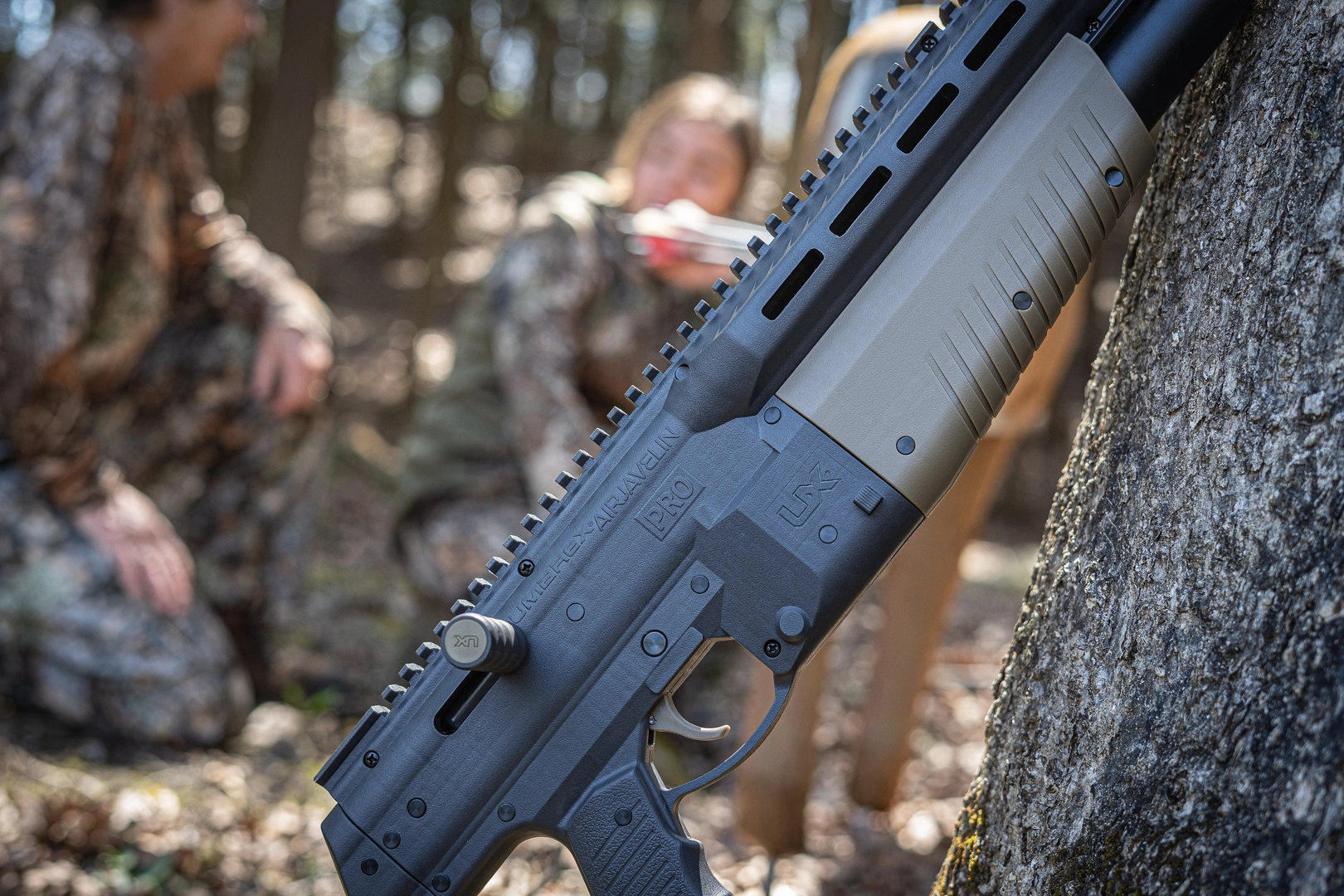
The inspection should include the air system, arrows, broadheads, optic, fasteners, safety function, fill status, legal documents, and field setup. The point is not to create a complicated ritual. The point is to avoid preventable mistakes.
Pre-Hunt Item |
What to Confirm |
|
Legal status |
Species, season, method, land, projectile, and license rules |
|
Platform condition |
No visible damage or loose components |
|
Fill pressure |
Within manufacturer guidance |
|
Fill fittings |
Clean, undamaged, and compatible |
|
Approved arrows |
Correct platform-specific arrows only |
|
Arrow condition |
No cracks, splits, loose parts, or vane damage |
|
Broadheads |
Secure, aligned, legal, and protected |
|
Optic |
Secure, sighted, and understood |
|
Practice confirmation |
Point of impact verified before hunting |
|
Storage and transport |
Platform and arrows controlled safely |
The checklist should be completed before the hunt begins. If a problem appears, solve it before the platform is used.
Common Air Archery Safety Mistakes
The most common air archery safety mistake is treating the system like something familiar without learning what makes it different. A bowhunter may treat it like a bow. An airgun user may treat it like a pellet rifle. A crossbow user may treat it like a crossbow. Each shortcut misses something important.
Another common mistake is using or considering non-approved arrows. The AirSaber warning against using ordinary bow or crossbow arrows exists because the pressure environment is different. That is not a minor compatibility detail. It is a core safety rule.
Users also make mistakes with broadheads. Mechanical heads should be tested with the exact setup, especially because some may open early or behave inconsistently in high-speed launch conditions. Fixed heads should be checked for alignment and point of impact. Both types must be legal for the intended hunt.
Common Mistake |
Better Practice |
|
Assuming any arrow will work |
Use only approved platform-specific arrows |
|
Guessing at fill pressure |
Follow manufacturer pressure limits |
|
Skipping broadhead testing |
Confirm point of impact before hunting |
|
Using a weak backstop |
Use a target and backstop appropriate for arrows |
|
Treating legality as obvious |
Verify rules with the wildlife agency |
|
Loading too early |
Load only when the situation is controlled |
|
Ignoring damaged vanes or shafts |
Retire questionable arrows |
Safety improves when users treat air archery as its own system.

What New Users Often Overlook
New users often overlook the way small details connect. A slightly damaged vane can affect flight. A loose broadhead can change point of impact. A wrong arrow can create serious risk. An unfamiliar fill source can lead to pressure mistakes. A regulation that seems clear online may not apply to the exact species, season, or land.
New users also overlook how different broadheads behave. A fixed broadhead may fly differently from a field point. A mechanical broadhead may need to be checked for blade retention. A broadhead that worked well on another system may not behave the same way on a PCP arrow rifle.
Another overlooked issue is recovery. Air archery hunting is still arrow hunting. A hunter must understand shot angle, anatomy, distance, impact signs, and follow-up responsibility. Texas Parks and Wildlife’s air gun and arrow gun guidance emphasizes vital-organ shot placement and recovery patience for animals taken with air guns or arrow guns.
The safest new users are the ones who slow down. They read manufacturer guidance, practice carefully, verify legality, inspect equipment, and pass shots that are not right.
Ethical Hunting and Shot Discipline
Ethical shot discipline is part of safety. A shot that is legal but poorly chosen can still be irresponsible. A shot that is possible but difficult to recover should be passed.
Air archery users should know their realistic range with the exact platform and arrow setup. They should understand the animal’s anatomy, angle, movement, and likely recovery path. They should also understand that product specifications do not make every field opportunity appropriate.
Texas Parks and Wildlife’s guidance for air guns and arrow guns discusses ethical shot placement and recovery, including the importance of vital-organ hits and waiting before retrieval in a manner similar to archery hunting. That principle aligns with responsible hunting: the tool does not replace judgment.
A disciplined hunter passes when the angle is poor, the animal is moving unpredictably, the legal status is unclear, the distance exceeds practiced ability, the arrow is questionable, or recovery is unlikely. Good judgment protects the animal, the hunter, and the future of the category.
For the dedicated ethics article, see Ethical Air Archery Hunting Practices.
Legal Verification Is a Safety Step
Legal verification belongs in a safety guide because unlawful or unclear use creates risk for the user, the brand, public perception, and the future of air archery hunting. Safety is not only physical handling. It also includes responsible compliance.
Air archery equipment may be treated differently from traditional bows, crossbows, firearms, muzzleloaders, or standard airguns. Some rules may use terms such as arrow gun, air gun, pre-charged pneumatic, airbow, or air-powered arrow system. Others may not clearly name the category.
Texas Parks and Wildlife provides a useful example of why definitions matter. Its means and methods page distinguishes archery equipment from arrow guns and states that arrow guns may not be used to hunt deer or wild turkey during archery season in Texas. That example does not determine the law anywhere else. It shows why hunters must read the exact rules where they plan to hunt.
Before hunting, verify species, season, method, equipment definition, arrow or broadhead requirements, land rules, license requirements, and recovery obligations. If anything is unclear, contact the agency before use.
For the dedicated legal article, see Air Archery Hunting Laws and Regulations.
Safe Storage and Transport
Safe storage and transport protect people and equipment. The platform should be stored according to manufacturer guidance, kept secure from unauthorized handling, and transported in a way that prevents damage to arrows, broadheads, optics, fittings, and pressure components.
Arrows should not be loose in a vehicle, pack, blind, or case. Broadheads should be protected. Damaged vanes, cracked shafts, or loose broadheads should be discovered before the next hunt, not during it.
Transport also includes legal awareness. Some states, public lands, or local jurisdictions may have rules about loaded equipment, vehicle transport, cased equipment, or hunting access. Users should verify those rules before traveling with air archery gear.
A clean transport routine helps prevent rushed mistakes. When every arrow, broadhead, fill fitting, and accessory has a place, the user can inspect and prepare more calmly.

Key Takeaways
Air archery hunting safety starts with manufacturer-approved arrows, correct compressed-air handling, safe backstops, broadhead control, legal verification, and ethical shot discipline.
PCP arrow rifles are not traditional bows, crossbows, or standard pellet rifles. They are air-powered arrow systems.
Use only arrows approved for the platform. AirSaber users should use only Umarex AirSaber arrows because standard bow and crossbow arrows are not built for the platform’s high-pressure air system.
AirJavelin Pro is a PCP air archery platform listed with a 4,500 PSI maximum fill pressure, 1,500 PSI regulator, and 25 effective shots per fill.
Broadheads should be inspected, protected, tested, and verified as legal before hunting.
Practice requires a proper target and backstop for arrows, not a pellet trap or improvised surface.
Product capability does not equal legal permission.
Safe use includes knowing when not to shoot.
FAQ
What is the most important air archery safety rule?
The most important rule is to use only arrows approved for the specific platform and follow manufacturer guidance. Arrow compatibility is a safety requirement, not a preference.
Can regular bow arrows be used in an AirSaber?
No. Our AirSaber product guidance says to use only Umarex AirSaber arrows because standard bow and crossbow arrows are not designed for the high pressure involved.
Is air archery safety the same as airgun safety?
No. Air archery uses compressed air like some airguns, but it launches arrows. That means arrow compatibility, broadhead handling, backstop selection, and hunting recovery must also be part of the safety routine.
Is air archery safety the same as bow safety?
No. Air archery launches arrows, but it does not use bow limbs and a string. Users must understand PCP pressure systems, compatible arrows, and platform-specific handling.
What kind of backstop is needed for air archery practice?
Use a target and backstop appropriate for the exact air archery platform and arrow setup. Pellet traps and improvised surfaces should not be assumed safe for arrows.
Do broadheads need to be tested before hunting?
Yes. Broadheads should be inspected and tested for point of impact before hunting where lawful. Mechanical heads should also be checked for blade retention and reliable behavior with the exact setup.
Is air archery hunting legal everywhere?
No. Laws vary by state, species, season, land type, equipment definition, projectile rules, and broadhead requirements. Verify current regulations with the responsible wildlife agency before use.
Works Cited
Umarex USA. “AirSaber Air Archery Arrow Rifle with Scope.” Used for AirSaber PCP air archery specifications, pressure details, arrow compatibility warning, included arrows, fill information, and product safety context. https://www.umarexusa.com/umarex-airsaber-air-archery-arrow-rifle-airgun-with-axeon-scope
Umarex USA. “AIRJAVELIN PRO PCP ARROW RIFLE.” Used for AirJavelin Pro PCP air archery specifications, fill pressure, regulator, shot count, velocity, arrow weight, and product context. https://www.umarexusa.com/umarex-airjavelin-pro-pcp-arrow-rifle-2252668
Texas Parks and Wildlife Department. “Air Gun and Arrow Gun Regulations.” Used for official example language around air guns, arrow guns, ethical shot placement, and recovery caution. https://tpwd.texas.gov/regulations/outdoor-annual/hunting/air-gun-arrow-gun-regulations
Texas Parks and Wildlife Department. “Hunting Means and Methods.” Used for official example language showing that archery equipment and arrow guns may be treated differently by regulation. https://tpwd.texas.gov/regulations/outdoor-annual/hunting/general-regulations/means-and-methods