

Air archery hunting equipment, including PCP arrow rifles, arrow guns, air-powered arrow-launching systems, air archery platforms, and related hunting accessories, may not be specifically addressed or permitted under the laws and regulations of every state, province, species, season, land type, or local jurisdiction. Regulations involving airguns, arrows, broadheads, hunting methods, caliber or energy requirements, species restrictions, seasons, public land rules, private land rules, and air-powered equipment may vary significantly and may change over time. Always contact your state or local fish and wildlife agency to verify the current legality of any equipment, species, method, season, and location before use. Nothing below should be interpreted as legal advice or as confirmation that any specific equipment or method is lawful in your area.
Quick Answer
Choosing arrows for air archery starts with manufacturer compatibility. Use only arrows approved for the specific air archery platform. Air archery arrows are part of the pressure system, so standard bow or crossbow arrows should not be substituted unless the manufacturer specifically allows it.
Tuning comes after compatibility. Once the correct arrow is selected, hunters and shooters can test broadhead flight, inspect arrow condition, confirm point of impact, and evaluate whether a fixed or mechanical broadhead performs consistently with their exact platform. Some users report better accuracy after careful broadhead tuning, and some prefer fixed broadheads because they do not have blades that can deploy before impact. Mechanical broadheads, including crossbow-rated models, should be tested carefully because high-speed air-powered launch systems may stress them differently than traditional bows or crossbows.
Our AirSaber product guidance warns users to use only Umarex AirSaber arrows because arrows made for bows and crossbows are not designed to withstand the high air pressure involved. Our AirJavelin Pro product page lists AirJavelin Air Archery Arrows with Field Tips and an Innerloc Blood Bug 50 Grain Broadhead for AirJavelin among related product bundles.
For the larger air archery hunting foundation, see Air Archery Hunting 101. For the pressure-system explanation behind arrow fit and launch force, see How PCP Arrow Rifles Work.
Compatibility Comes Before Tuning
Air archery arrow setup begins with one rule: the arrow must be made for the platform. Tuning cannot fix an unsafe or incompatible arrow. A broadhead cannot make a wrong shaft acceptable. Refletching cannot turn a standard bow arrow into an air archery arrow if the platform requires a specific design.
That is different from how many bowhunters think about arrows. In vertical bowhunting, a hunter may choose from a wide range of shafts, spines, inserts, vanes, and point weights as long as the final setup is safely matched to the bow. In air archery, the platform often has stricter requirements because the arrow interacts directly with a compressed-air launch system.
This is why manufacturer guidance has to come first. Air pressure, shaft design, internal fit, arrow weight, and platform geometry all work together. When a platform is designed around a particular arrow, that arrow is not just ammunition. It is part of the engineered system.
Compatibility Factor |
Why It Matters |
|
Platform-approved arrow |
The arrow must match the air archery system |
|
Shaft strength |
The arrow must withstand air-powered launch forces |
|
Arrow length |
The arrow must fit the platform correctly |
|
Arrow weight |
The system is built around a performance range |
|
Nock or rear-end design |
Air archery systems may not use standard bow nock logic |
|
Broadhead fit |
The point must attach safely and align correctly |
|
Manufacturer instructions |
These control safe use before tuning begins |
The practical takeaway is simple. Choose the approved arrow first. Then tune within the limits of that platform and the laws that apply to the intended use.
Air Archery Arrows Are Part of the Pressure System
A PCP arrow rifle launches arrows with compressed air. That changes how we should think about the arrow. It is not only a projectile. It is also part of the pressure pathway that allows the system to work as intended.
In a traditional bow, the string pushes the arrow from behind. In a crossbow, the string drives the bolt or arrow-style projectile forward. In a PCP arrow rifle, air pressure moves through the system and acts on the arrow according to the platform’s design. That is why shaft construction, fit, and manufacturer approval matter so much.
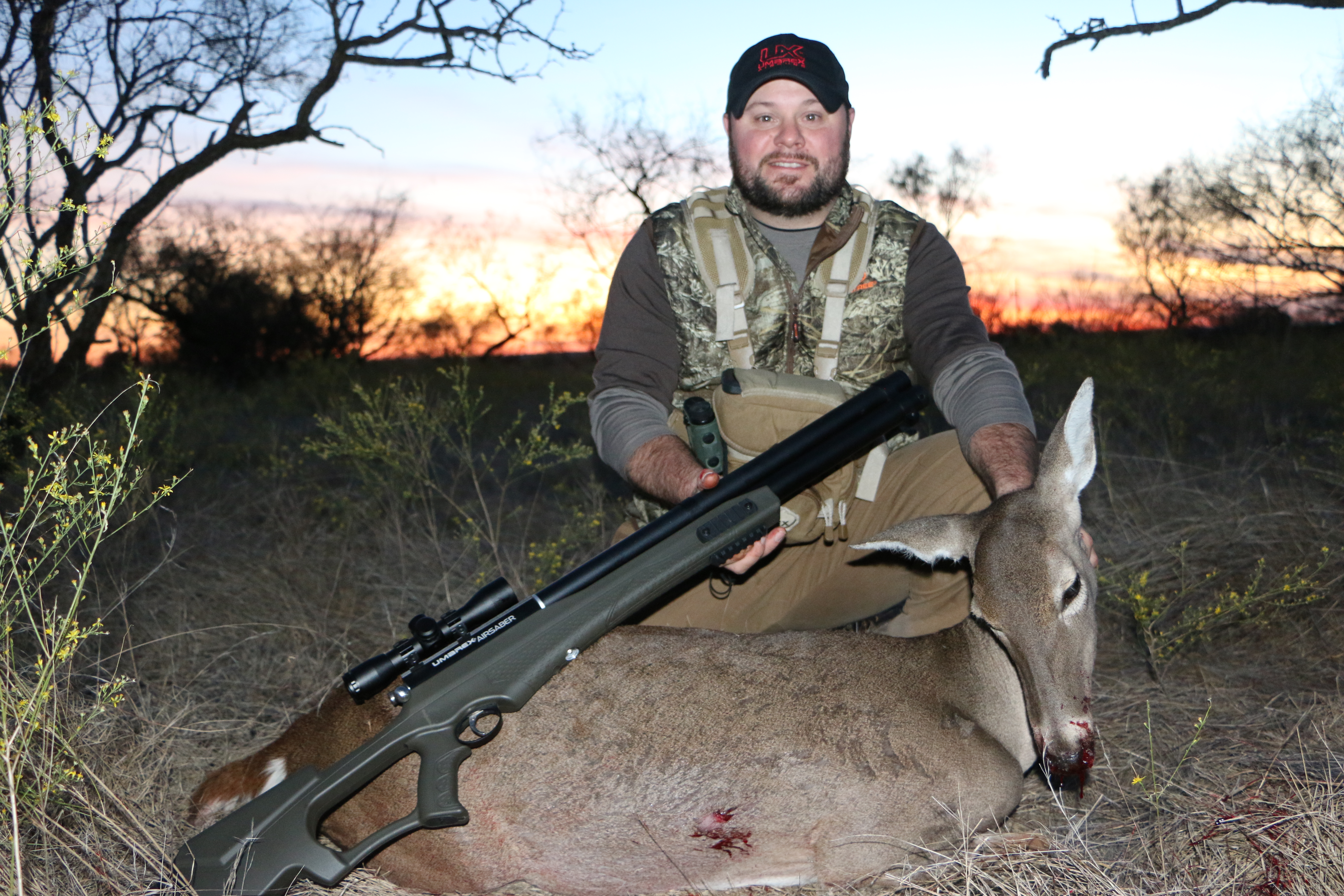
Our AirSaber page states that the AirSaber air archery rifle uses high-pressure air to propel a 376-grain arrow at velocities up to 450 feet per second with a fully charged tank. That pressure-driven launch is exactly why arrow compatibility is not optional.
Air archery arrows should be inspected like pressure-system components. Look for cracks, loose components, damaged vanes, broadhead misalignment, shaft wear, or any sign that the arrow has been stressed. A damaged arrow that might look merely “rough” in another context can be unacceptable in an air-powered arrow platform.
For a deeper explanation of compressed air, reservoirs, and launch systems, see How Air Archery Works.
Why Standard Bow and Crossbow Arrows Should Not Be Substituted
Standard bow and crossbow arrows should not be assumed compatible with air archery systems. They may look similar, but similar appearance does not mean similar engineering.
An arrow built for a compound bow is designed around string-driven acceleration. A crossbow bolt is designed around a crossbow rail, nock interface, limb energy, and crossbow-specific launch behavior. An air archery arrow must match the pressure, fit, and geometry of an air-powered platform.
The AirSaber product warning is direct. It says to use only Umarex AirSaber arrows with the AirSaber arrow gun and warns that arrows made for bows and crossbows are not strong enough for the high air pressure involved and can fail dangerously. (umarexusa.com)
This is not a place for experimentation. If the arrow is not listed for the platform, do not treat it as a substitute. If a shooter wants to adjust accuracy, the safer path is not changing to an unapproved shaft. It is testing the approved arrow with proper points, broadheads where lawful, vane condition, and consistent setup.
For a comparison of air archery with other arrow-launching systems, see Air Archery vs Crossbow Hunting and Air Archery vs Traditional Bowhunting.
AirSaber Arrow Compatibility
AirSaber arrow compatibility is one of the most important safety topics in air archery. The platform is built around Umarex AirSaber arrows. That requirement should not be treated as a suggestion.
The AirSaber page states that the platform uses high-pressure air and warns users to use only Umarex AirSaber arrows. It also explains that arrows made for bows and crossbows are not strong enough to withstand the high air pressure involved. (umarexusa.com)
That does not mean a hunter cannot tune an AirSaber setup. It means tuning must begin with the correct AirSaber arrow. From there, the user can inspect the shaft, confirm broadhead alignment, test point of impact, compare broadhead behavior, and verify that the exact hunting setup is lawful and consistent.
|
AirSaber Setup Item |
What to Confirm |
|
Arrow model |
Use Umarex AirSaber arrows only |
|
Shaft condition |
No cracks, splits, deep wear, or questionable damage |
|
Broadhead fit |
Threads securely and aligns cleanly |
|
Vane condition |
No torn, loose, warped, or inconsistent vanes |
|
Point of impact |
Confirm with the exact setup before hunting |
|
Legal use |
Verify species, season, projectile, and method rules |
AirSaber tuning should never start by replacing the arrow with a non-approved shaft. It should start by making the approved arrow and point system as consistent as possible.

AirJavelin Pro Arrow Compatibility
AirJavelin Pro belongs to the compact PCP air archery side of the category. Its arrow setup is different from AirSaber, so the two systems should not be treated as interchangeable.
Our AirJavelin Pro product page lists the platform as a PCP powered air archery gun and shows related bundles with AirJavelin Air Archery Arrows with Field Tips. It also lists an Innerloc Blood Bug 50 Grain Broadhead for AirJavelin in one bundle. (umarexusa.com)
That product relationship matters because AirJavelin Pro users should start with AirJavelin-compatible arrows and accessories rather than assuming that any arrow or broadhead will work. AirJavelin Pro is not an AirSaber, not a crossbow, and not a standard bow. It has its own platform requirements.
Tuning the AirJavelin Pro setup means staying within that platform ecosystem. A user can inspect arrows, test point of impact, compare approved field-point and broadhead setups where lawful, and evaluate vane condition. The goal is consistency, not improvisation.
For the broader category relationship between AirJavelin Pro, AirSaber, and other air-powered systems, see Air-Powered Hunting Systems Explained.
Broadhead Tuning in Air Archery
Broadhead tuning matters because a hunting point can change how an arrow flies. A field point and broadhead may not always impact in the same place, especially when broadhead surface area, blade design, alignment, and vane steering interact with speed.
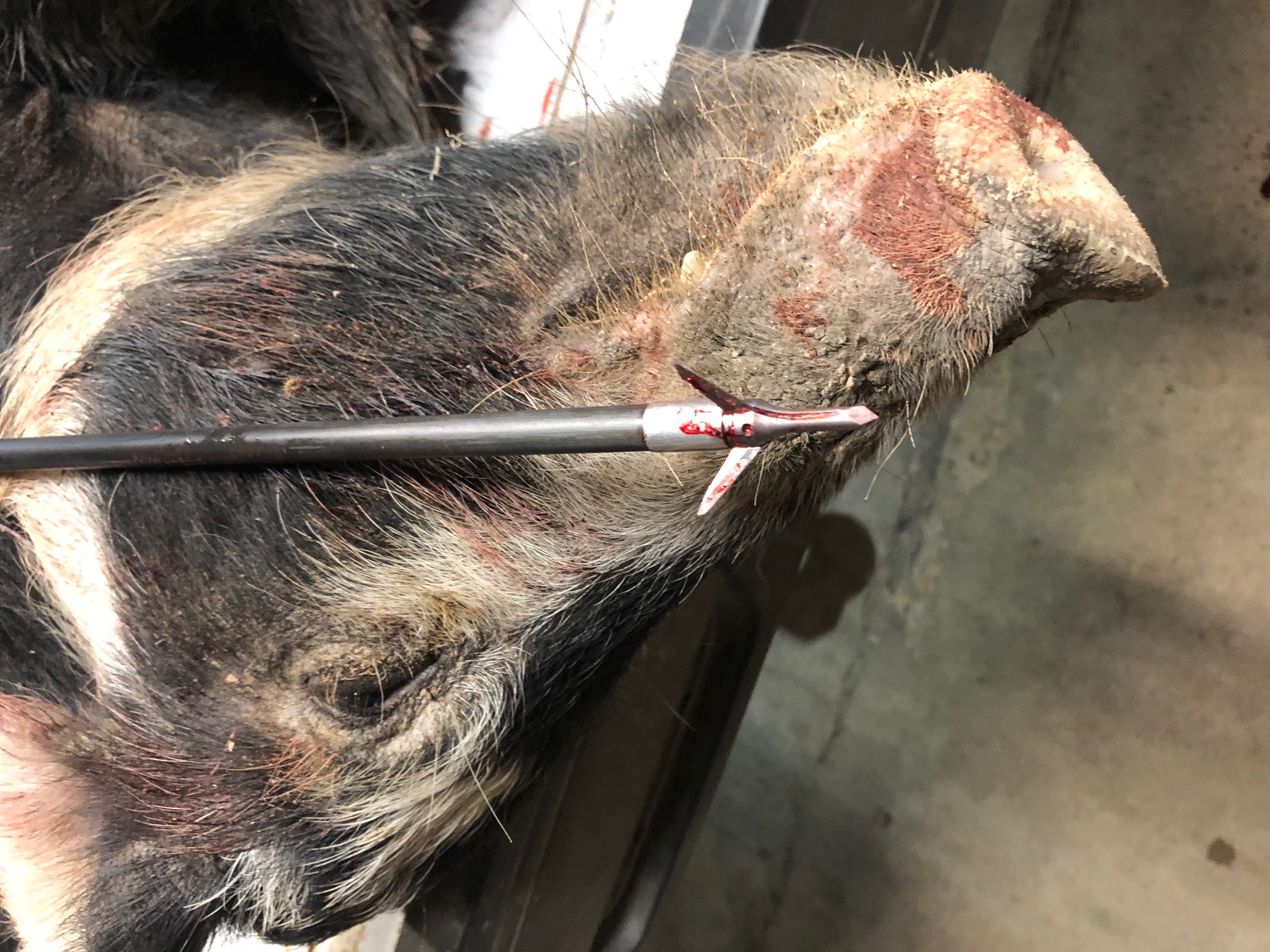
In air archery, the first question is not “which broadhead looks best.” The first question is whether the broadhead is compatible with the arrow, platform, and intended lawful use. A broadhead that threads on does not automatically make it safe, accurate, or legal for the hunt.
Once compatibility and legality are verified, tuning becomes a practical accuracy process. A hunter can compare field-point impact and broadhead impact, inspect alignment, confirm tightness, test groups at realistic distances, and make sure the chosen broadhead does not create unpredictable flight.
Broadhead Tuning Question |
Why It Matters |
|
Does it fit the approved arrow correctly? |
Poor fit can affect safety and accuracy |
|
Is it legal for the intended species and season? |
Broadhead rules can vary |
|
Does it group consistently? |
Accuracy matters more than assumptions |
|
Does it hit with the same point of impact as field points? |
Hunting setup must be confirmed |
|
Does it remain closed or stable before impact if mechanical? |
Premature deployment can affect flight |
|
Is the blade alignment clean if fixed? |
Fixed blades can steer the arrow if poorly aligned |
Broadhead tuning is not about chasing perfection for its own sake. It is about knowing that the exact setup you intend to use behaves predictably before it is carried into the field.

Fixed Broadheads vs Mechanical Broadheads in Air Archery
Fixed and mechanical broadheads each bring different considerations to air archery. Neither should be treated as universally best. The right choice depends on compatibility, legality, accuracy, reliability, and how the broadhead behaves on the specific platform.
Fixed broadheads have blades that are already open. Once tuned, many hunters value them because there is no deployment mechanism that can open early before impact. That can be an advantage in high-speed air archery setups where some mechanical broadheads may be exposed to launch forces and airflow they were not originally chosen for.
Mechanical broadheads are designed to open on impact, but users should not assume every crossbow-rated mechanical head will behave perfectly in an air-powered arrow system. Some hunters and shooters have reported premature blade deployment or inconsistent performance with certain mechanical heads under high-speed arrow launch conditions. Because of that, mechanical broadheads should be tested with the exact air archery platform and arrow setup before hunting.
Broadhead Type |
Potential Benefit |
What to Test |
|
Fixed broadhead |
No blade deployment mechanism |
Flight, grouping, alignment, point of impact |
|
Mechanical broadhead |
Compact flight profile before opening |
Blade retention, opening behavior, grouping |
|
Crossbow-rated mechanical |
Built for faster launch environments than many bow heads |
Whether it stays closed in the air archery setup |
|
Small-profile fixed head |
May tune more easily in some setups |
Accuracy and legal compliance |
|
Larger fixed head |
Can offer more cutting surface where lawful |
Whether it steers the arrow or groups consistently |
A fixed broadhead that is poorly tuned is not automatically better than a mechanical head that performs reliably. A mechanical broadhead that flies well once does not prove it is ready for hunting. Test the exact setup repeatedly, inspect every component, and confirm legal use before relying on it.
Vanes, Refletching, and Arrow Stability
Vanes help stabilize arrow flight. In air archery, vane condition can matter because arrows are moving quickly and the platform may place different demands on the arrow than a traditional bow or crossbow.
Some hunters and shooters have reported improved consistency after refletching approved arrows with stiffer vanes or more durable vane configurations. That can make sense in principle because vane stiffness, adhesion, alignment, and durability all affect how the arrow stabilizes after launch.
However, refletching should be approached carefully. Changing vanes can alter arrow behavior. It may affect clearance, drag, stabilization, grouping, and point of impact. It may also conflict with manufacturer guidance if the platform requires a specific arrow configuration. Before modifying an arrow, users should understand whether the change is allowed, safe, and compatible with the platform.
Vane Factor |
Why It Matters |
|
Vane stiffness |
Can affect stabilization and durability |
|
Vane adhesion |
Loose vanes can create inconsistent flight |
|
Vane alignment |
Poor alignment can steer the arrow unpredictably |
|
Vane clearance |
Must work with the platform and arrow path |
|
Vane condition |
Torn or warped vanes can affect accuracy |
|
Point of impact after refletching |
Changes must be tested before field use |
The safest approach is to treat refletching as a tuning step for experienced users, not a shortcut for beginners. Start with approved arrows in proper condition. Test any change carefully. If the arrow no longer behaves predictably, return to a known safe configuration.

Point-of-Impact Testing Before Hunting
Every hunting setup should be tested before it is used in the field. This is especially important when broadheads, refletching, vane changes, or other tuning variables are involved.
Point-of-impact testing means confirming where the exact arrow and point setup lands at realistic distances. A field point group is useful, but it does not prove a broadhead setup is ready. Broadheads can shift impact, open early, steer differently, or reveal weaknesses in arrow alignment.
Testing should be done under controlled, safe conditions with a suitable target and backstop for the equipment being used. The user should test the exact arrow model, the exact broadhead, the exact vane configuration, and the exact platform intended for lawful use.
A simple testing sequence can include:
-
inspect each arrow before shooting
-
confirm field-point grouping
-
install the intended broadhead carefully
-
test at close range first
-
compare point of impact
-
increase distance only after consistency is confirmed
-
inspect arrows and broadheads after every group
The important part is not rushing from target confidence to field confidence. The setup should prove itself before it is used on game where lawful.

Inspecting Arrows and Broadheads Before Use
Inspection is one of the simplest ways to avoid problems. It is also one of the easiest steps to skip when a shooter is excited to practice or hunt.
Air archery arrows should be inspected before and after use. Look for cracks, soft spots, splintering, loose components, damaged threads, bent broadheads, missing blades, loose ferrules, torn vanes, or anything that feels different from the other arrows in the set.
Broadheads deserve the same attention. Fixed heads should be checked for blade alignment, sharpness where lawful and appropriate, tightness, and damage. Mechanical heads should be checked for blade retention, deployment consistency, and any sign that the blades may open too easily.
Inspection Area |
What to Watch For |
|
Shaft |
Cracks, splits, dents, soft spots, or deep wear |
|
Insert or threaded area |
Looseness or poor alignment |
|
Broadhead |
Bent blades, loose ferrule, damaged threads |
|
Mechanical blades |
Weak retention or premature opening |
|
Vanes |
Tears, warping, weak adhesion, inconsistent shape |
|
Overall arrow |
Any arrow that does not match the rest of the set |
A questionable arrow should not be used. A damaged broadhead should not be trusted. In air archery, small equipment problems can become serious very quickly.
Practice Arrows vs Hunting Arrows
Practice arrows and hunting arrows should not be treated as completely separate worlds. The closer the practice setup matches the hunting setup, the more useful the practice becomes.
Field tips are useful for building consistency, confirming basic sighting, and reducing wear during routine practice. Broadheads are necessary to test when preparing for hunting where lawful, because they may not hit exactly where field tips hit.
Some hunters keep a dedicated group of arrows for broadhead testing and another group for routine practice. That can help preserve hunting arrows while still allowing the user to confirm performance. The important point is that the hunting setup must be tested before use.
Setup Type |
Best Use |
|
Field-tip practice setup |
Basic grouping, sighting, and repetition |
|
Broadhead test setup |
Confirm hunting point of impact |
|
Refletched test arrow |
Evaluate vane changes before using broadly |
|
Hunting-ready arrow |
Reserved only after inspection and confirmation |
|
Damaged or questionable arrow |
Do not use |
The hunting arrow should not be a mystery. It should be the most trusted arrow in the case.
Legal Verification for Arrows and Broadheads
Legal verification applies to arrows and broadheads, not just the platform. A state may regulate broadhead type, blade width, arrow requirements, hunting method, species, season, or equipment category. Public land rules may add another layer.
Texas Parks and Wildlife provides an example of how official rules can distinguish air guns and arrow guns and include projectile-related requirements. Its hunting means and methods guidance states that arrows or bolts used with an arrow gun must conform to the same standards for projectiles for archery, while also noting that arrow guns may not be used to hunt deer or wild turkey during archery season in Texas. (tpwd.texas.gov)
That example is not national guidance. It is a reminder that state language matters. Another state may define arrow guns differently, list different species rules, or not clearly address air archery systems.
Before hunting, verify:
-
whether air archery or arrow guns are legal for the species
-
whether the season allows that method
-
whether broadheads must meet specific standards
-
whether mechanical broadheads are allowed
-
whether minimum cutting diameter rules apply
-
whether public land rules differ
-
whether the exact equipment category is addressed
For the dedicated legal support page, see Air Archery Hunting Laws and Regulations (https://www.umarexusa.com/air-archery-hunting-laws).

Common Arrow and Broadhead Mistakes
The first mistake is treating arrow selection like ordinary bow setup. Air archery platforms may require specific arrows because the arrow interacts with the pressure system.
The second mistake is trusting a broadhead because it fits the threads. Thread fit is not the same as flight consistency, blade reliability, or legal approval.
The third mistake is assuming mechanical broadheads will stay closed because they are crossbow-rated. Crossbow-rated does not automatically mean proven in a specific air-powered arrow system. Test the exact head with the exact setup.
The fourth mistake is changing vanes without testing point of impact again. Refletching may improve consistency for some users, but it can also change flight behavior.
Mistake |
Better Practice |
|
Using non-approved arrows |
Start with manufacturer-approved arrows |
|
Assuming broadhead fit means readiness |
Test point of impact and legal use |
|
Trusting mechanical heads without testing |
Confirm blade retention and grouping |
|
Ignoring vane condition |
Inspect and replace damaged vanes when appropriate |
|
Skipping broadhead practice |
Test the actual hunting setup |
|
Using damaged arrows |
Retire questionable shafts immediately |
Arrow tuning should make the setup more predictable, not more experimental.
Choosing the Right Setup Starts With the Platform
The right air archery arrow setup starts with the platform. AirSaber users should start with AirSaber arrows. AirJavelin Pro users should start with AirJavelin-compatible arrows and accessories. That foundation protects safety, consistency, and product integrity.
After the approved arrow is selected, tuning can begin. That may include broadhead testing, point-of-impact confirmation, inspection routines, and careful evaluation of vane condition. Experienced users may experiment with refletching approved arrows, but only when the change is safe, compatible, and tested.
The goal is not to create the most modified setup. The goal is to create the most predictable lawful setup. A hunting arrow should leave the platform consistently, fly predictably, carry a legal and tested point, and arrive where the user has practiced.
For more on how air archery fits into hunting, see Air Archery Hunting 101. For safety guidance, see Air Archery Hunting Safety.
Key Takeaways
Air archery arrow selection starts with manufacturer compatibility.
AirSaber users should use Umarex AirSaber arrows because the platform uses high-pressure air and standard bow or crossbow arrows are not designed for that pressure environment.
AirJavelin Pro users should use AirJavelin-compatible arrows and accessories, including the related AirJavelin Air Archery Arrows and compatible broadhead options listed with the product ecosystem.
Tuning comes after compatibility. It can include broadhead testing, point-of-impact confirmation, vane inspection, and careful evaluation of arrow consistency.
Fixed broadheads can be attractive in air archery because they have no deployment mechanism that can open before impact, but they still need tuning.
Mechanical broadheads should be tested carefully because some may deploy too early or behave inconsistently in high-speed air-powered arrow systems.
Broadhead legality varies by jurisdiction, species, season, and method.
Product capability does not equal legal permission.
H2 FAQ
Can regular bow arrows be used in an AirSaber?
No. Our AirSaber product guidance says to use only Umarex AirSaber arrows because arrows made for bows and crossbows are not designed for the high air pressure involved.
Can regular crossbow bolts be used in air archery systems?
Do not assume crossbow bolts are compatible. Air archery systems may require platform-specific arrows designed for compressed-air launch forces.
What arrows work with AirJavelin Pro?
AirJavelin Pro should be used with AirJavelin-compatible arrows and accessories. Our AirJavelin Pro product page lists AirJavelin Air Archery Arrows with Field Tips among related bundles.
Are fixed broadheads better than mechanical broadheads for air archery?
Not automatically. Fixed broadheads do not have blades that can deploy before impact, which some hunters prefer. Mechanical broadheads may fly well in some setups, but they should be tested carefully with the exact air archery platform before hunting.
Can mechanical broadheads open too early in air archery?
Some hunters and shooters have reported premature deployment or inconsistent behavior with certain mechanical heads in high-speed air-powered setups. Test the exact head, arrow, and platform before relying on it.
Does refletching air archery arrows improve accuracy?
Some users report improved consistency with stiffer or more durable vanes, but refletching should be approached carefully. Any vane change should be tested for clearance, grouping, and point of impact before use.
Do broadhead laws apply to air archery?
Yes. Broadhead rules may apply by species, season, state, land type, and equipment category. Verify current regulations before hunting.
H2 Works Cited
Umarex USA. “AirSaber Air Archery Arrow Rifle with Scope.” Used for AirSaber high-pressure air archery specifications, arrow weight, velocity, and arrow compatibility warning. https://www.umarexusa.com/umarex-airsaber-air-archery-arrow-rifle-airgun-with-axeon-scope
Umarex USA. “AIRJAVELIN PRO PCP ARROW RIFLE.” Used for AirJavelin Pro PCP air archery specifications and related AirJavelin arrow and broadhead product context. https://www.umarexusa.com/umarex-airjavelin-pro-pcp-arrow-rifle-2252668
Texas Parks and Wildlife Department. “Hunting Means and Methods.” Used for official example language around arrow gun projectile standards and season classification caution. https://tpwd.texas.gov/regulations/outdoor-annual/hunting/general-regulations/means-and-methods