

IMPORTANT LEGAL NOTICE: Air-powered bowfishing equipment, including PCP arrow-launching systems and air archery platforms, may not be specifically addressed or permitted under the laws and regulations of every state, province, water body, or local jurisdiction. Regulations involving bowfishing, spearing, airguns, arrows, fishing methods, and air-powered hunting or fishing equipment may vary significantly and may change over time. Always contact your state or local fish and wildlife agency to verify the current legality of any equipment, species, fishing method, season, or water before use. Nothing in this article should be interpreted as legal advice or as confirmation that any specific equipment or method is lawful in your area.
Quick Answer
Your first time bowfishing with an air-powered system should be about preparation, control, and learning the water. Do not make the first trip about long shots, high numbers, or guessing at fish in poor visibility.
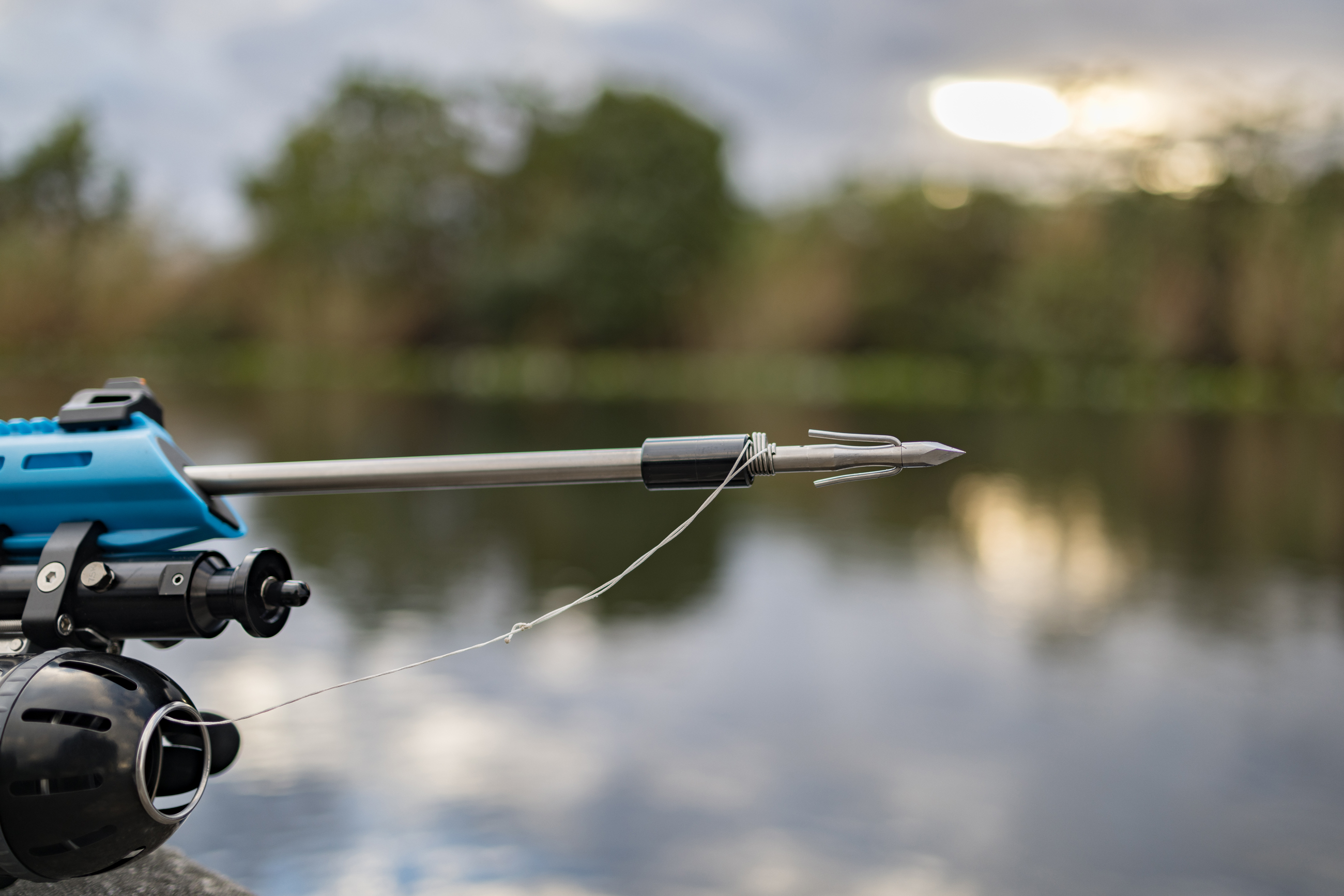
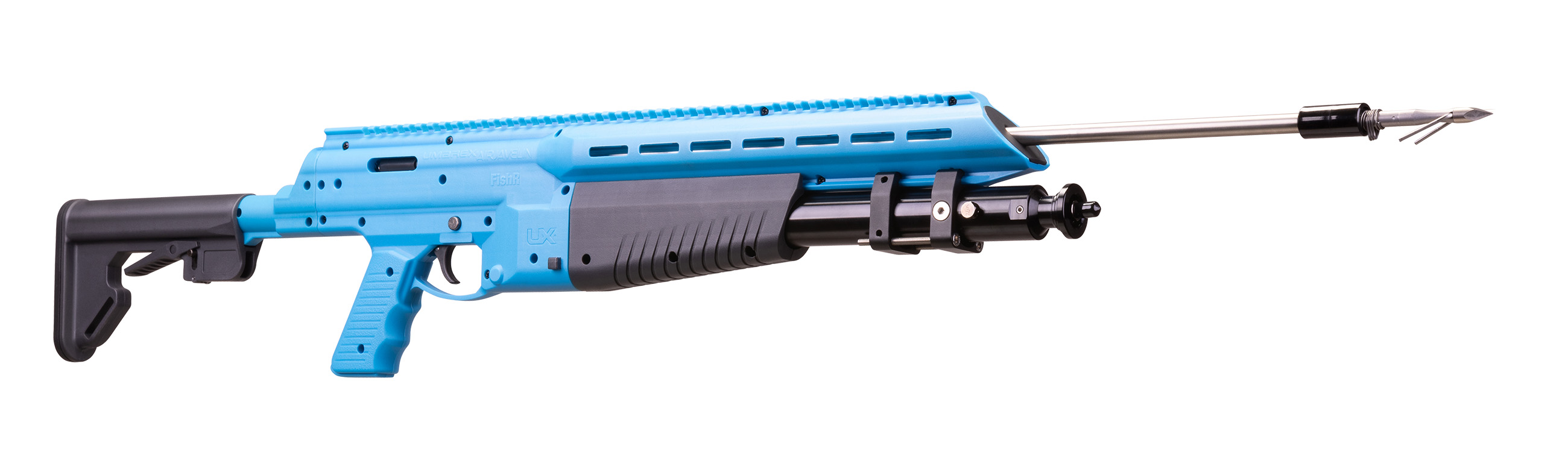
Air-powered bowfishing uses compressed air to launch a fishing arrow attached to a retrieval line. The Umarex FishR arrow is listed as engineered for the AirJavelin FishR Bowfishing PCP rig, with a 1,248-grain solid fiberglass shaft, stainless hardware, and an Innerloc head for bowfishing conditions.
Before using any air-powered bowfishing setup, verify the current laws for the exact water, species, method, license, and equipment involved. Texas publishes bowfishing regulations, and Florida defines spearing to include bowfishing while still maintaining species and area restrictions, which shows why local verification matters.
What Your First Trip Should Really Be About
The first trip is not about proving anything. It is about learning how the system behaves when the water starts making decisions for you.
A fish that looks obvious from the bank can vanish under glare. A clean line can snag on a cleat or branch. A shallow flat can turn muddy after wind pushes across it. Bowfishing has a way of showing new users that gear matters, but judgment matters more.
Air-powered systems change the launch method, not the nature of bowfishing. You still have to identify the fish, read the angle, watch the line, judge the background, and recover the arrow. The platform may feel modern, but the water remains old-school and unforgiving.
The best first trip is slow. You learn how the arrow loads, how the line sits, how the reel feeds, how glare changes visibility, and how easy it is to misread depth. You also learn when to pass. Passing questionable shots is one of the first signs that someone is taking bowfishing seriously.
For the full educational foundation, start with Airgun Bowfishing: The Complete Guide to Air-Powered Bowfishing Systems.
Verify the Rules Before You Touch the Water
Legal verification is part of the first trip. It is not something to figure out later.
Air-powered arrow systems may not be specifically named in every regulation. Some agencies may use bowfishing, spearing, gigging, or piercing-method language. Others may not clearly define PCP arrow-launching systems at all. Product capability does not mean legal permission.
Texas Parks and Wildlife publishes bowfishing regulations and notes that water-specific restrictions can apply. Florida’s saltwater spearing rules define spearing to include bowfishing and other piercing methods, while also listing species and area restrictions.
Before the first outing, verify:
Question |
Why It Matters |
|
Is bowfishing or spearing allowed on this water? |
Some waters restrict methods |
|
Are air-powered arrow systems addressed? |
PCP arrow systems may not be clearly defined |
|
Which species may be taken? |
Species rules vary |
|
Is the location restricted? |
Parks, refuges, cities, or managed waters may differ |
|
Is a license or permit required? |
Requirements vary by jurisdiction |
|
Are there possession or disposal rules? |
Legal responsibility continues after recovery |
If the rules are unclear, contact the responsible fish and wildlife agency before using the equipment.
For more legal context, see Airgun Bowfishing Laws and Regulations.
Understand the Setup Before the Fish Show Up
A first trip should not be the first time you understand your setup.
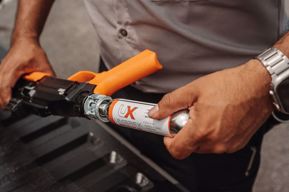
Before getting near the water, you should know how the arrow loads, how the reel mounts, how the line connects, how the air system is filled, and how the line feeds when the arrow launches. Bowfishing becomes much harder when the first fish appears and the setup still feels unfamiliar.
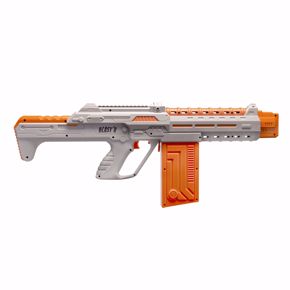
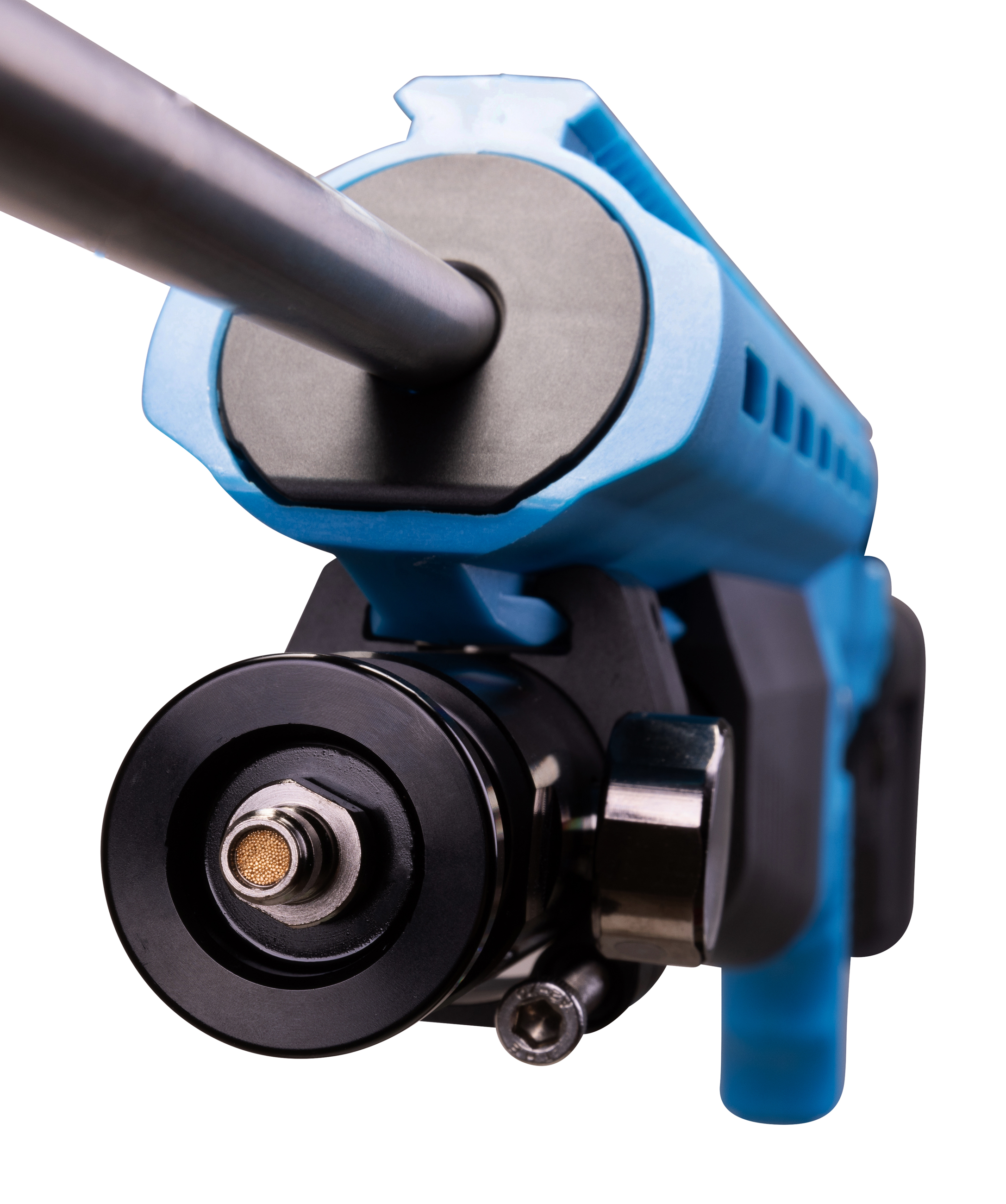
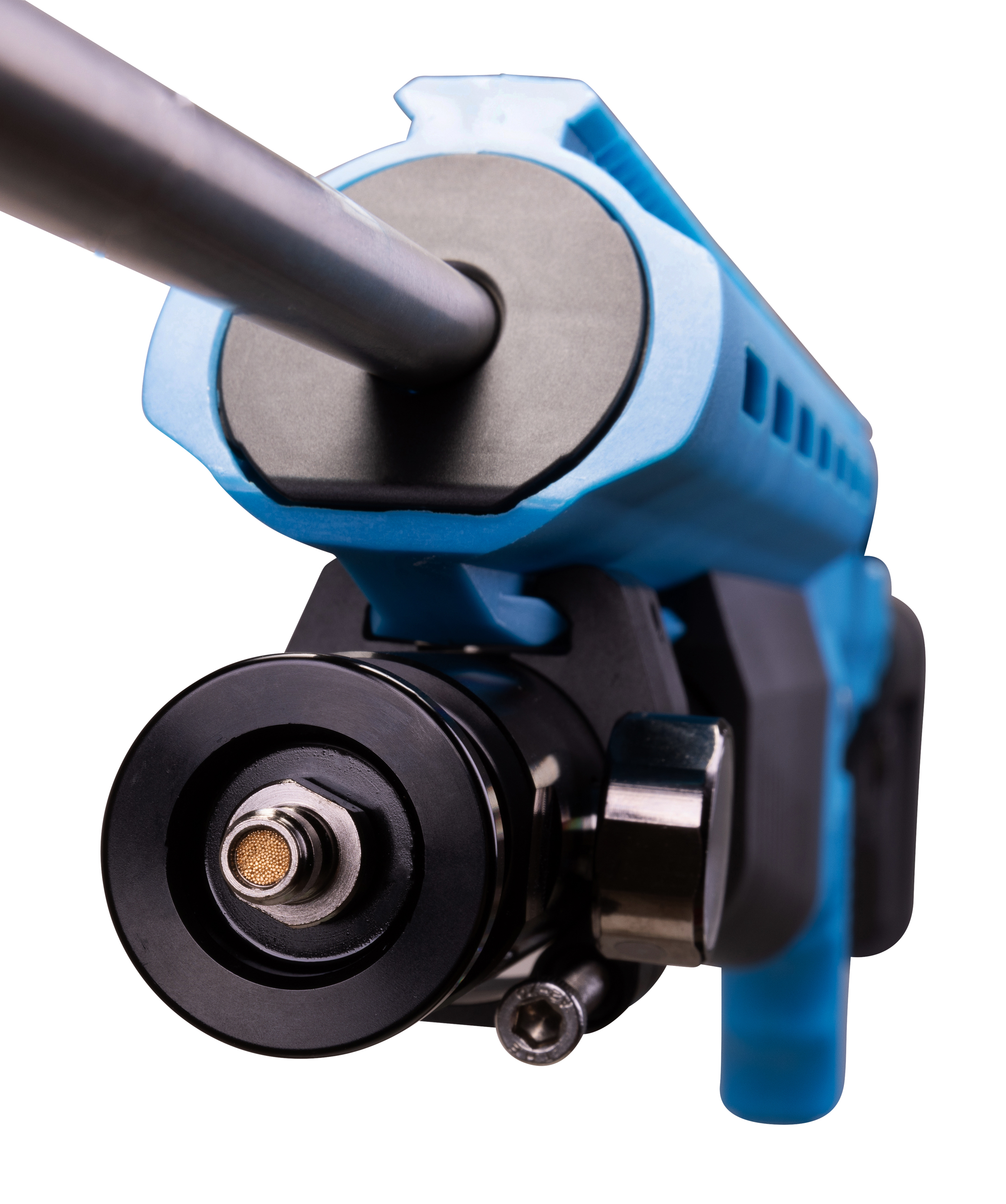
The AirJavelin FishR product page describes a PCP bowfishing platform with an onboard tank, regulated pressure, a universal reel mount, and compatibility with wide mouth or bottle reel setups. The FishR arrow product page lists the arrow as fitting the AirJavelin FishR and using solid fiberglass construction with stainless steel tip and slide.
The system should feel predictable before the first shot. The arrow should be compatible. The line should move cleanly. The reel should be secure. The air source should be understood. The user should know what each component does before standing in mud, wind, current, or boat movement.
|
Setup Area |
First-Trip Goal |
|
Launcher |
Understand loading and safe handling |
|
Arrow |
Confirm compatibility and condition |
|
Reel |
Confirm secure mounting and smooth feed |
|
Line |
Check for tangles, frays, and clear travel |
|
Air source |
Know the fill method before the trip |
|
Legal status |
Confirm method, species, and water rules |
For a deeper equipment walkthrough, see Airgun Bowfishing Setup Guide.
Line Control Is the First Skill to Learn
Line control is where beginners often learn the fastest.
A bowfishing arrow is attached to line. That line has to move when the arrow moves. If it catches on gear, wraps around a hand, loops near a foot, or drags across a sharp edge, the shot can become unsafe or ineffective.
New users often stare at the fish and forget the line. Experienced users watch both. They know the fish is the target, but the line is the connection between the shot and the recovery.
Before every shot, look at the line path. Is it clear? Is it wrapped? Is it touching anything? Will it feed freely when the arrow leaves? Will it pull across shell, branches, grass, cleats, or other gear after impact?
The shot is only the beginning. In bowfishing, the line coming tight is where the second half of the work begins.
For safety habits that belong on every trip, see Airgun Bowfishing Safety Guide.
Water Will Fool You
Water makes new bowfishers miss.
Fish are not exactly where they appear because light bends through the water. That visual distortion makes fish look higher than their actual position. The deeper the fish and the sharper the angle, the more misleading the view can become.
Then there is glare. A fish can be visible one second and gone the next. Wind can break the surface. Mud can hide body shape. Grass can cover the fish just enough to make identification uncertain. At night, lights can reveal movement while still distorting depth.
That is why the first trip should focus on close, clear, controlled opportunities. The goal is not to shoot far. The goal is to learn what the water is doing.
|
Water Condition |
What It Teaches Beginners |
|
Clear shallow water |
Easier identification and cleaner recovery |
|
Muddy water |
Patience and restraint |
|
Glare |
Positioning and timing |
|
Current |
Recovery angle and line control |
|
Vegetation |
When to pass questionable shots |
|
Night lighting |
Depth and shadow discipline |
The water will teach more than any checklist. The user’s job is to listen before forcing a shot.
For the mechanics behind angle, refraction, and retrieval, see How Airgun Bowfishing Works.
Start With Recoverable Shots
A first-time bowfisher should think about recovery before thinking about impact.
Can the fish be brought back? Is the line path clean? Is there current pulling the fish away? Is the fish moving into vegetation? Is the bottom full of shell, rocks, mud, or debris? Is the shot angle controlled enough to manage what happens after the arrow enters the water?
A shot that can be made is not always a shot that should be taken.
Beginners should keep shots short and simple. A legal fish in clear water with a clean line path is a better first opportunity than a larger fish half-hidden in grass. Confidence comes from controlled recoveries, not lucky shots.
This is one of the places where ethics and skill meet. Passing bad shots teaches as much as taking good ones.
For responsible-use guidance, see Ethical Airgun Bowfishing Practices.
Freshwater and Saltwater Change the Learning Curve
Freshwater and saltwater both teach bowfishing, but they teach it differently.
Freshwater often gives beginners mud, algae, vegetation, current, shallow banks, and backwater fish movement. Saltwater adds tides, stronger glare, grass flats, shell, sand, marine debris, and often more complicated species or area restrictions.
|
Setting |
Beginner Challenge |
|
Freshwater rivers |
Current, mud, and moving fish |
|
Reservoirs and lakes |
Glare, depth, and boat positioning |
|
Backwaters |
Vegetation and recovery paths |
|
Saltwater flats |
Tides, shell, grass, and species rules |
|
Night outings |
Lighting, depth perception, and safety |
|
Public access areas |
Other people, property, and cleanup |
Saltwater also asks more from gear. Salt, sand, and shell can wear on equipment. Stainless and corrosion-resistant parts help, but equipment still needs cleaning and inspection after coastal use. The AirJavelin FishR product page notes stainless and corrosion-resistant parts for harsh and salt environments.
For coastal-specific guidance, see Saltwater Airgun Bowfishing Guide.
Beginner Mistakes to Avoid
The first mistake is rushing. Fish make people hurry. Good bowfishing does the opposite. It slows the decision down just enough to check the line, confirm the fish, and judge recovery.
The second mistake is assuming legality. Air-powered arrow systems may not be clearly addressed everywhere. Traditional bowfishing language should not be treated as automatic permission for PCP arrow-launching equipment.
The third mistake is ignoring equipment compatibility. The launcher, arrow, line, reel, slide, and point have to work together. A mismatched part can create poor performance or safety issues.
The fourth mistake is shooting at movement instead of identified fish. Water makes shapes lie. If the species is uncertain, pass.
The fifth mistake is skipping cleanup. Mud, salt, sand, vegetation, and impact can damage arrows, line, reels, and hardware.
|
Beginner Mistake |
Better Habit |
|
Rushing the shot |
Wait for a legal, clear, recoverable opportunity |
|
Ignoring line path |
Check the line before every shot |
|
Assuming legality |
Verify with the responsible agency |
|
Using mismatched gear |
Use compatible bowfishing equipment |
|
Shooting at shadows |
Identify the species clearly |
|
Skipping inspection |
Check gear before and after use |
A beginner who avoids these mistakes is already ahead of the curve.
A Simple First-Trip Checklist
The first trip should be simple enough to manage under pressure.
Do not overload the outing with too many goals. The best first trip teaches the equipment, the line, the water, and the rules. Everything else comes later.
|
Before the Trip |
Confirm |
|
Legal verification |
Method, species, water, license, and local restrictions |
|
Equipment fit |
Launcher, arrow, reel, line, slide, and point |
|
Air source |
Fill method and safe pressure handling |
|
Line control |
No tangles, frays, or blocked path |
|
Water conditions |
Visibility, current, tide, glare, and recovery |
|
Safety |
People, boats, docks, property, and safe direction |
|
Fish handling |
Possession, transport, and disposal rules |
The checklist is not there to slow down the fun. It is there to make the fun last longer and keep the trip from turning into a problem.
Key Takeaways
The first air-powered bowfishing trip should focus on control, safety, legal verification, and learning water conditions.
Air-powered bowfishing uses compressed air to launch a fishing arrow attached to a retrieval line.
Product capability does not equal legal permission. Verify current rules for the specific water, species, method, and equipment before use.
Line control is one of the most important beginner skills.
Water refraction, glare, current, vegetation, and recovery path matter more than distance.
The Umarex FishR Airgun Fishing Arrow is listed as engineered for the AirJavelin FishR Bowfishing PCP rig and built with solid fiberglass construction and stainless hardware.
A good first trip is not measured by how many shots are taken. It is measured by how well the user learns the system and makes responsible decisions.
FAQ
What should I know before bowfishing with an air-powered system for the first time?
You should understand the equipment, verify legality, inspect the arrow and line, confirm the reel setup, identify legal species, and keep your first shots close, clear, and recoverable.
Is air-powered bowfishing legal everywhere?
No. Air-powered bowfishing equipment may not be specifically addressed or permitted in every jurisdiction. Verify current rules directly with the responsible fish and wildlife agency before use.
Is airgun bowfishing the same as regular airgun shooting?
No. Airgun bowfishing uses a fishing arrow attached to a retrieval line. It is an air-powered arrow application, not pellet or slug shooting.
What is the biggest mistake beginners make?
The biggest mistake is rushing before checking the line, confirming the species, judging recovery, and verifying legality.
What kind of arrow is used for airgun bowfishing?
Airgun bowfishing uses a compatible fishing arrow designed for water entry, line attachment, impact, and recovery. The Umarex FishR arrow is listed as a 1,248-grain solid fiberglass arrow made for the AirJavelin FishR platform.
Should beginners start in freshwater or saltwater?
Either setting can work only where legal, but beginners should choose water with clear visibility, manageable recovery conditions, and confirmed regulations. Saltwater can add tides, glare, shell, corrosion exposure, and more complex rules.
What should I do if the regulations are unclear?
Contact the responsible fish and wildlife agency or local enforcement authority before using air-powered bowfishing equipment.
Works Cited
Umarex USA. “Umarex FishR Airgun Fishing Arrow.” Used for FishR arrow compatibility, weight, construction, stainless hardware, Innerloc head, and bowfishing product details.
Umarex USA. “Umarex AirJavelin FishR.” Used for AirJavelin FishR PCP bowfishing platform details, reel mounting, and salt-environment product information.
Texas Parks and Wildlife Department. “Bow Fishing Regulations.” Used for state-level bowfishing regulation and local restriction context.
Florida Fish and Wildlife Conservation Commission. “Spearing.” Used for saltwater spearing and bowfishing definition context, species restrictions, and area-restriction context.