

IMPORTANT LEGAL NOTICE: Air-powered bowfishing equipment, including PCP arrow-launching systems and air archery platforms, may not be specifically addressed or permitted under the laws and regulations of every state, province, water body, or local jurisdiction. Regulations involving bowfishing, spearing, airguns, arrows, fishing methods, and air-powered hunting or fishing equipment may vary significantly and may change over time. Always contact your state or local fish and wildlife agency to verify the current legality of any equipment, species, fishing method, season, or water before use. Nothing in this article should be interpreted as legal advice or as confirmation that any specific equipment or method is lawful in your area.
Quick Answer
The biggest lesson with the AirJavelin FishR is that air-powered bowfishing changes the launch system, but it does not change the demands of the water. You still need legal verification, clear target identification, clean line control, compatible equipment, and a realistic recovery path before any shot.
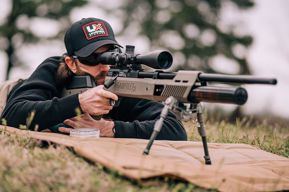
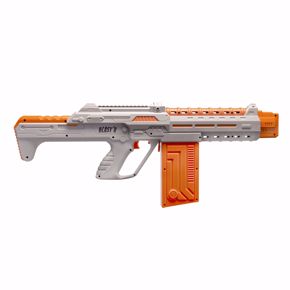
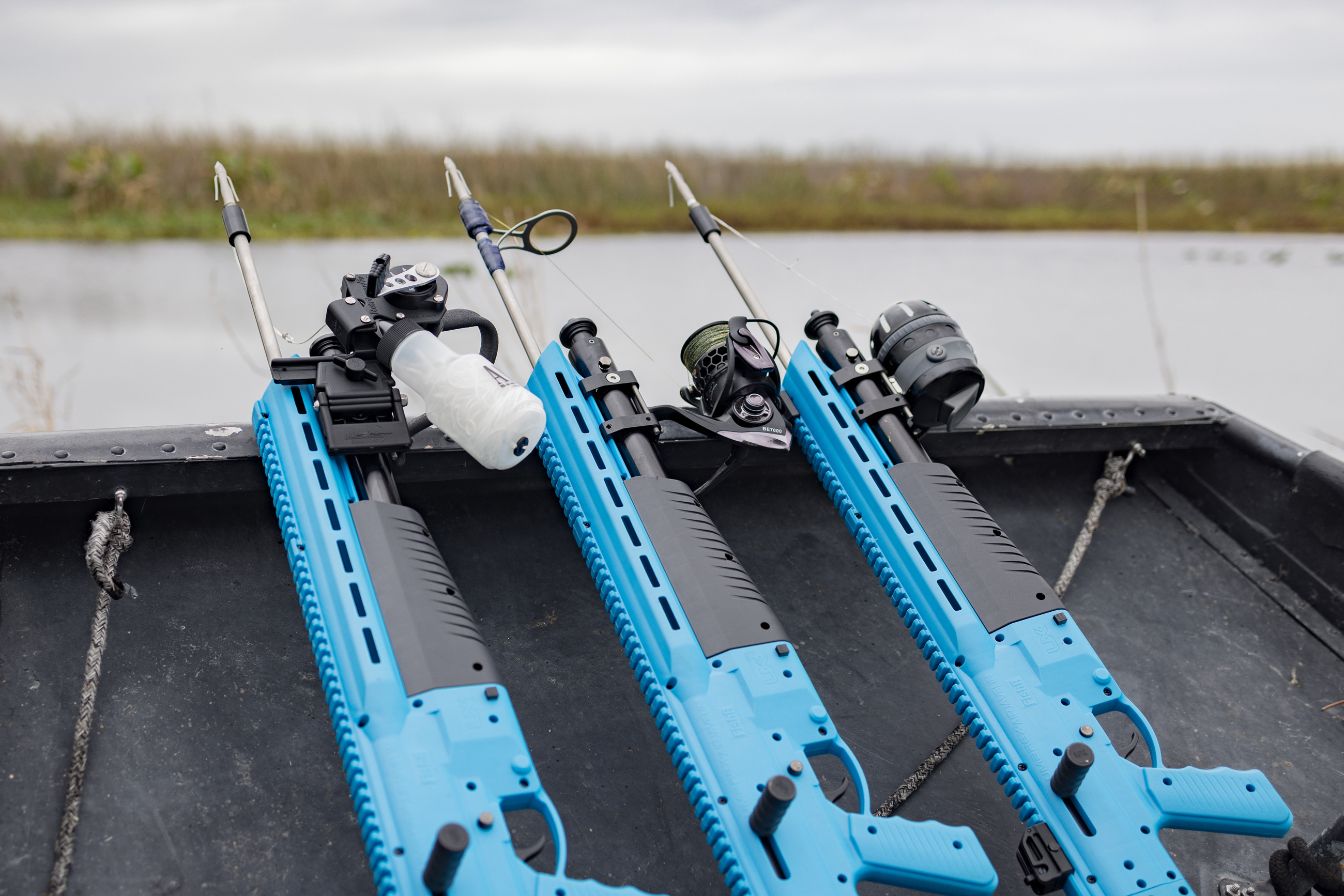
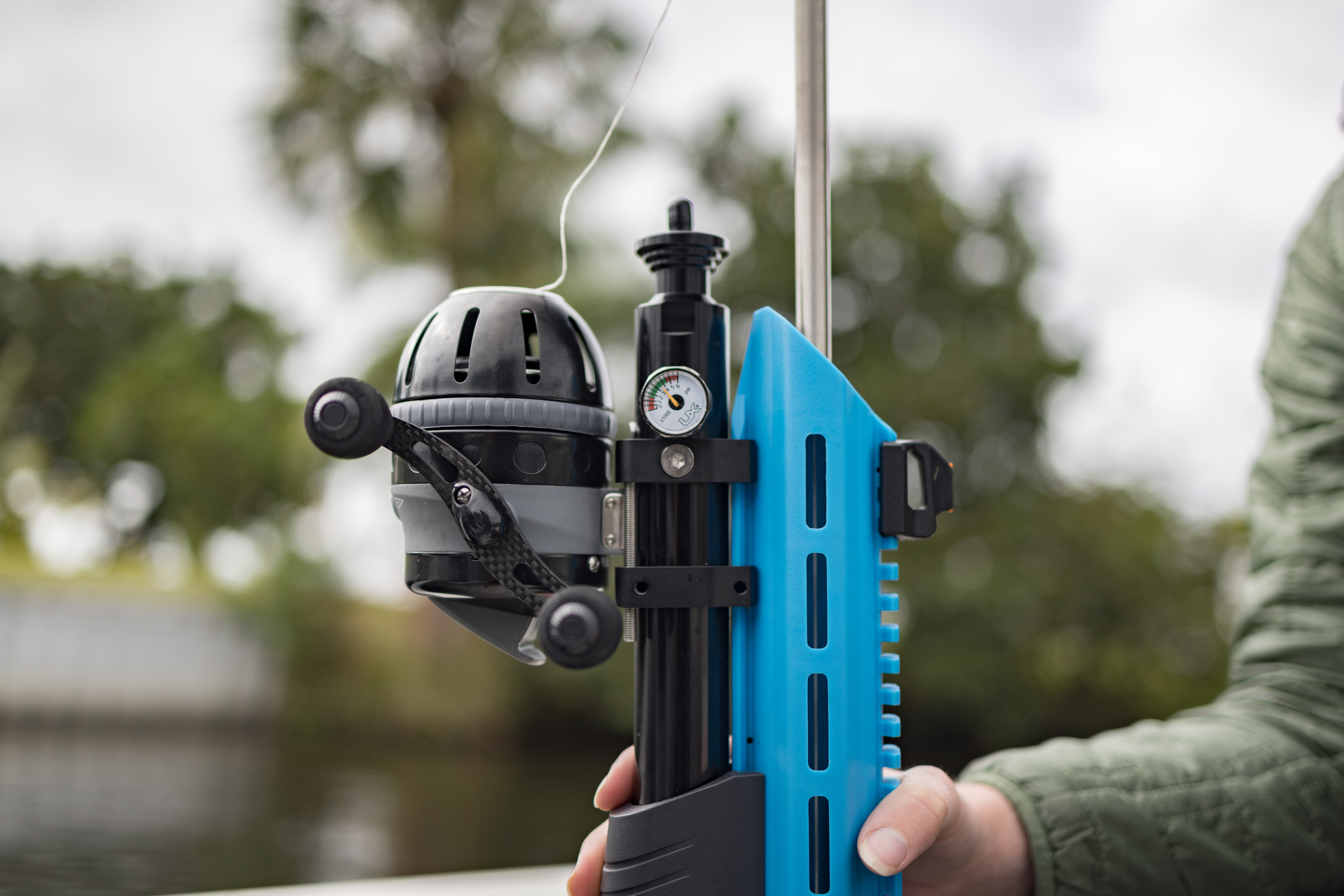
The AirJavelin FishR is listed by Umarex as a PCP bowfishing airgun with a 155 cc onboard tank at 4,500 psi, regulated to 800 psi, and designed to launch a 1,248-grain fiberglass arrow at 100 fps. Umarex also lists a universal reel mount, corrosion-resistant parts for harsh or salt environments, and compatibility with bowfishing reel setups.
Product features help explain how the platform is designed, but they do not determine where the equipment may lawfully be used. Before using any air-powered bowfishing setup, verify the current rules for the exact water, species, method, equipment type, license, and local restrictions involved.
The First Lesson Is That the Water Still Runs the Show
Air-powered bowfishing feels modern, but the water does not care what launched the arrow. Wind still breaks the surface. Mud still swallows fish outlines. Glare still hides movement. Current still changes the recovery angle after the arrow disappears beneath the surface.
That is the first lesson every new user needs to understand. The platform matters, but water conditions decide what is practical. A clear shallow flat can make the setup feel intuitive. A stained riverbank with vegetation and current can turn the same shot into a lesson in patience.
The AirJavelin FishR removes the traditional bowstring from the launch process, but it does not remove bowfishing fundamentals. You still have to read water, identify fish, manage the line, understand depth, and think about recovery before the shot. The most expensive or interesting equipment cannot make a poor shot responsible.
This is why beginners should use the first trips to learn rather than force results. Watch how fish move under glare. Watch what happens when line touches vegetation. Watch how quickly a clean view disappears when the sun angle changes. The water is the best instructor, and it teaches quickly.
For the full foundation behind air-powered bowfishing, see Airgun Bowfishing: The Complete Guide to Air-Powered Bowfishing Systems.
Know What the AirJavelin FishR Is Built to Do
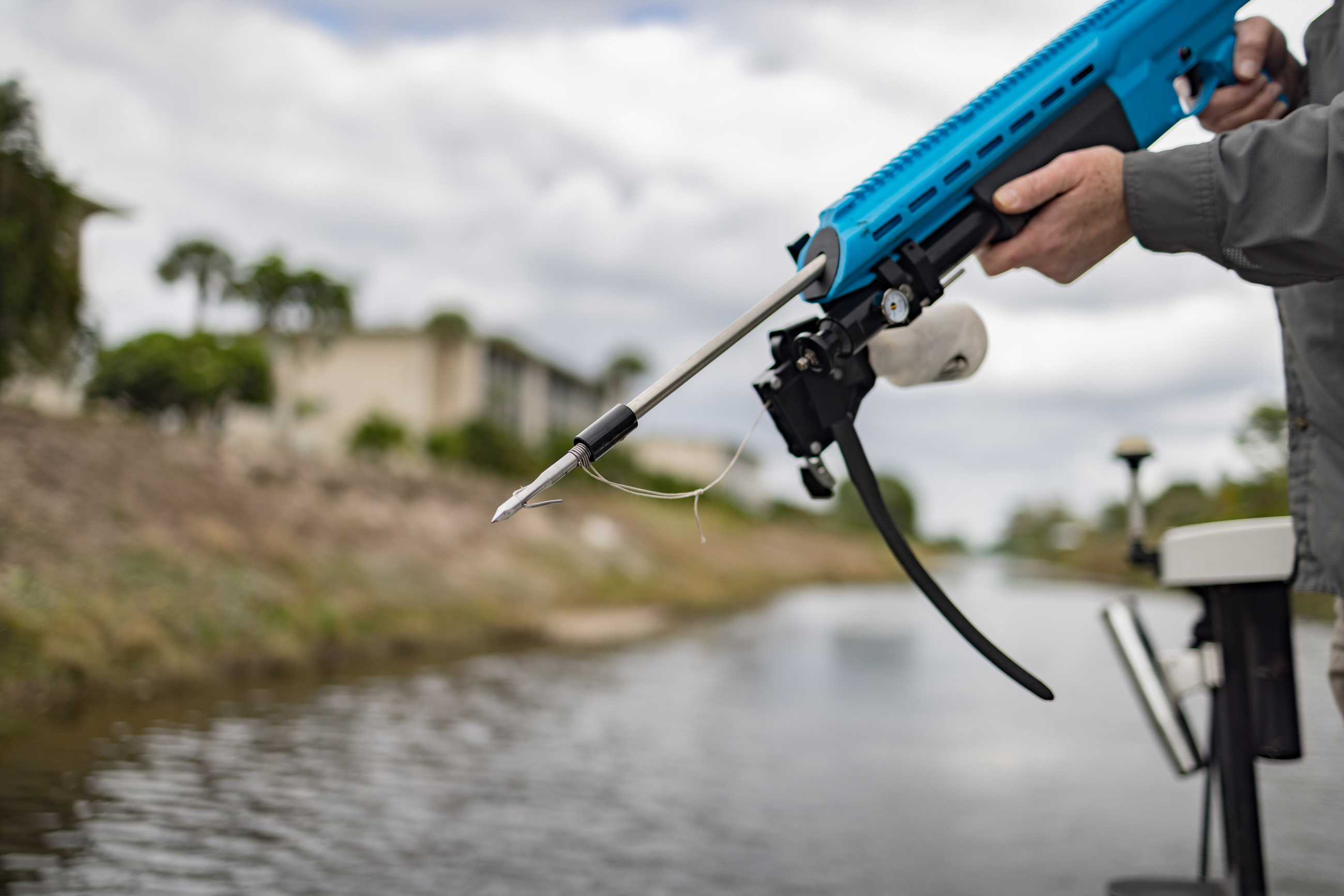
The AirJavelin FishR is an air-powered bowfishing platform. Umarex describes it as a PCP airgun powered by high-pressure air stored in a 9.5 cubic inch, 155 cc onboard tank at 4,500 psi, regulated to 800 psi. The product page lists a 1,248-grain solid fiberglass arrow at 100 fps and 28 foot-pounds at the muzzle.
Those numbers are useful because they explain the system, but they are not the whole story. Bowfishing is not only about launch speed or energy. It is about whether the arrow, line, reel, water angle, fish identification, and recovery path all work together.
A PCP bowfishing platform requires a different mindset than a traditional bow. There is no bowstring draw cycle, but there is air management. There is no limb energy to store, but there is tank pressure to understand. There is still a fishing arrow, a retrieval line, and a fish in moving water.
The best way to think about the FishR is as a complete air-powered arrow system, not just a launcher. The reel mount, line attachment, arrow compatibility, air source, and field conditions all matter. When one part is ignored, the whole setup becomes less dependable.
For a deeper explanation of compressed air, arrows, and retrieval mechanics, see How Airgun Bowfishing Works.
The Arrow and Line Matter as Much as the Launcher
The launcher gets attention first, but the arrow and line do much of the hardest work. Once the arrow enters the water, the recovery system becomes the center of the experience.
The Umarex FishR Airgun Fishing Arrow is listed as fitting the AirJavelin FishR and using a 1,248-grain, 26-inch solid fiberglass shaft with stainless steel tip and slide. Umarex also identifies the FishR arrow as engineered for the AirJavelin FishR Bowfishing PCP rig.
Bowfishing arrows are not target arrows. They have to survive water entry, impact, line tension, mud, vegetation, shell, rocks, and repeated retrieval. A target arrow is built primarily for flight. A bowfishing arrow is built for work.
Line control is just as important. The AirJavelin FishR product page explains that users can attach a bowfishing reel to the universal mount and tie the line to the arrow’s slider as with a bowfishing arrow. That means the arrow, slider, reel, and line should be treated as one working system.
|
System Part |
Field Lesson |
|
Fishing arrow |
Compatibility and durability matter more than improvisation |
|
Reel |
The line must feed cleanly under pressure |
|
Slider |
Line attachment has to function without binding |
|
Retrieval line |
Frays, knots, and wraps can create problems quickly |
|
Point |
Bowfishing hardware must match the recovery job |
|
Spare arrow |
A rough hit or lost arrow can end the outing early |
A good first field habit is to inspect the arrow and line before and after every outing. Wet gear hides problems. Mud and vegetation can cover damage. Saltwater can make small neglect expensive.
For setup details, see Airgun Bowfishing Setup Guide.
Air Pressure Is Part of the Plan
Traditional bowfishing asks you to understand draw weight, bow setup, and reel behavior. PCP bowfishing asks you to understand stored air.
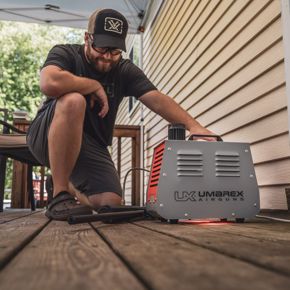
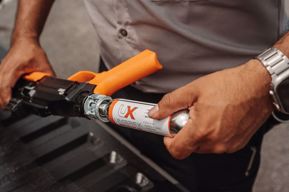
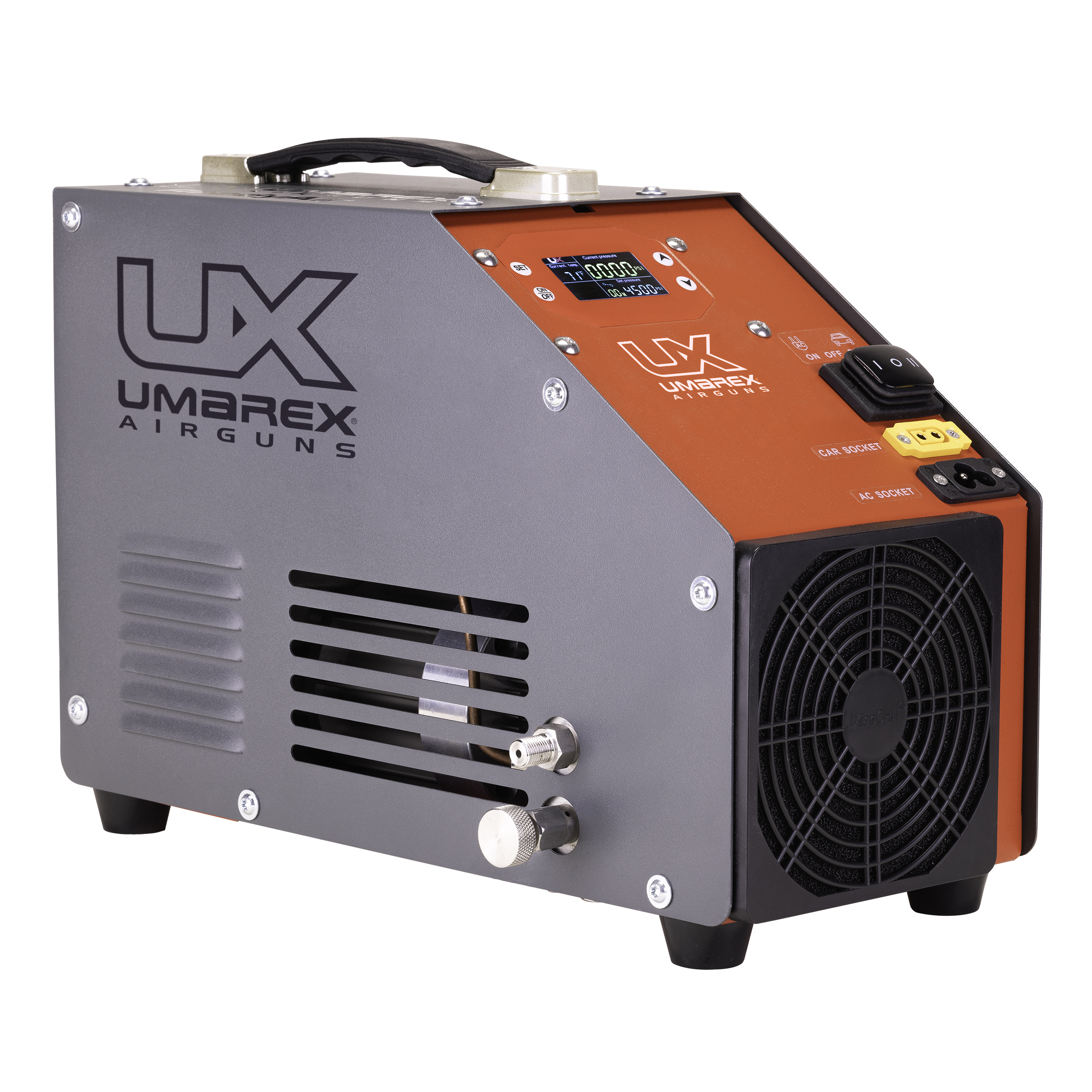
Umarex lists the AirJavelin FishR as fillable with a 3-stage airgun hand pump, an electric airgun compressor, or an external tank. The product page also states that it uses normal atmospheric air or nitrogen.
That gives users options, but it also makes preparation important. A bowfishing trip is not the place to discover that the fill plan was incomplete. Pressure, fill equipment, and manufacturer instructions should be understood before anyone gets to the water.
Air pressure also affects confidence. When the user understands how the system fills, how the tank is managed, and what the equipment requires, they can focus on the water instead of wondering whether the setup is ready.
|
Fill Planning Question |
Why It Matters |
|
Is the system filled according to manufacturer guidance? |
Safe handling starts before the trip |
|
Is the fill source available? |
Air management affects the outing |
|
Does the user understand pressure limits? |
Guessing around high-pressure air is not acceptable |
|
Is the equipment inspected before use? |
Damage or improper setup creates avoidable risk |
|
Is there a plan for repeat use? |
Longer outings require more preparation |
A smooth day on the water often starts with boring preparation at home. That is a good thing. Bowfishing already has enough variables.
Line Control Is the Skill Beginners Underestimate
New users often focus on the fish. Experienced users watch the line.
The retrieval line is the hidden part of every bowfishing shot. It has to feed cleanly when the arrow leaves, stay clear of people and gear, and hold up during recovery. If it catches on a rail, branch, cleat, hand, foot, or loose equipment, the shot can become unsafe or ineffective.
This is especially important with an air-powered system because the shooting motion feels different from drawing a traditional bow. The user may feel ready to fire quickly, but the line still needs the same attention it would demand on any bowfishing rig.
A clean line path should become automatic. Before every shot, check where the line sits, where it will travel, and what it might touch when the fish moves. If anything looks wrong, wait.
Line control is not glamorous. It is one of the habits that separates controlled bowfishing from careless shooting.
For safety-specific guidance, see Airgun Bowfishing Safety Guide.
Freshwater and Saltwater Teach Different Lessons
Freshwater and saltwater can both teach bowfishing, but they do not teach the same way.
Freshwater often brings mud, vegetation, algae, current, shallow banks, and backwater fish movement. Saltwater adds tide movement, shell, sand, grass flats, stronger glare, marine debris, and corrosion exposure. The same platform may feel different in each environment because the recovery conditions are different.
Umarex lists the AirJavelin FishR with stainless and corrosion-resistant parts for harsh or salt environments. That is useful for coastal settings, but saltwater still demands cleaning, inspection, and care. Corrosion-resistant does not mean maintenance-free.
Saltwater also introduces more regulatory complexity. Florida’s saltwater rules define spearing to include bowfishing and devices used to capture fish by piercing the body, but species and area restrictions still apply.
|
Environment |
Field Lesson |
|
Muddy freshwater |
Identification can become uncertain fast |
|
Clear freshwater |
Refraction still changes where the fish appears |
|
Heavy vegetation |
Recovery may be harder than the shot |
|
Saltwater flats |
Tides and glare can change visibility quickly |
|
Shell or rocky bottom |
Line and arrow wear deserve attention |
|
Night conditions |
Lighting helps visibility but can distort depth |
The right equipment helps, but the right judgment matters more. In both freshwater and saltwater, the best shot is the one that is legal, identified, safe, and recoverable.
For coastal preparation, see Saltwater Airgun Bowfishing Guide.
Legal Verification Comes Before Gear Confidence
Confidence in the gear does not replace legal verification.
Air-powered arrow systems may not be specifically addressed in every regulation. Some rules may refer to bowfishing, spearing, gigs, bows, arrows, or piercing devices. Others may not clearly define PCP arrow-launching equipment. That uncertainty should be handled before the trip.
Texas Parks and Wildlife publishes bowfishing regulations and notes that restrictions can depend on the water or property involved. Florida’s saltwater spearing guidance includes bowfishing within its definition of spearing but also lists species and area restrictions. These examples show why a user should not make broad assumptions from one rule or one state.
Before using the FishR or any air-powered bowfishing setup, verify the exact situation:
|
Question to Verify |
Why It Matters |
|
Is bowfishing or spearing allowed on this water? |
Some waters restrict methods |
|
Are air-powered arrow systems addressed? |
PCP arrow systems may not be clearly defined |
|
Which species may be taken? |
Species rules vary |
|
Are there local restrictions? |
Parks, cities, refuges, and managed waters may differ |
|
Is a license or permit required? |
Requirements vary by jurisdiction |
|
Are possession or disposal rules listed? |
Legal responsibility continues after recovery |
If the rules are unclear, contact the responsible fish and wildlife agency before use. Product design explains capability. Regulations determine permission.
For deeper legal caution, see Airgun Bowfishing Laws and Regulations.
Common Field Mistakes to Avoid
The first mistake is rushing. A fish appears, and the user forgets the line, the species, the background, or the recovery path. Air-powered equipment can feel quick, but bowfishing decisions should not be careless.
The second mistake is treating the launcher as the whole setup. It is not. The arrow, reel, line, slide, point, air fill plan, legal review, and water conditions all matter.
The third mistake is ignoring maintenance. Bowfishing gear gets wet, dirty, and stressed. Saltwater, mud, sand, vegetation, and shell can all wear on components.
The fourth mistake is assuming traditional bowfishing rules automatically apply to air-powered systems. They may not. Regulations need to be checked directly.
The fifth mistake is thinking distance is the goal. In real bowfishing, controlled recovery matters more than long shots. A close, legal, clearly identified fish with a clean line path teaches more than a risky shot at the edge of visibility.
|
Mistake |
Better Field Habit |
|
Rushing the shot |
Check species, line, and recovery first |
|
Ignoring air planning |
Understand the fill source before the trip |
|
Using damaged arrows |
Inspect shafts, points, and slides |
|
Forgetting line path |
Check the line before every shot |
|
Assuming legality |
Contact the responsible agency if unclear |
|
Chasing distance |
Prioritize controlled, recoverable shots |
Experience grows faster when users treat every mistake as information. The water will expose weak habits. The goal is to learn before those habits create bigger problems.
For ethical shot selection, see Ethical Airgun Bowfishing Practices.
A Practical Pre-Trip Checklist
A simple checklist keeps the first outing from turning into a guessing game. It also helps experienced users avoid complacency.
Before heading out, confirm the regulations, inspect the system, check the line, and understand the water. Do not wait until fish are moving to solve basic problems.
|
Pre-Trip Check |
What to Confirm |
|
Legal status |
Method, species, water body, license, and local rules |
|
Air system |
Fill source, pressure handling, and manufacturer guidance |
|
Arrow |
Compatibility, shaft condition, point, and slide |
|
Reel |
Secure mount and clean feed |
|
Line |
No frays, knots, wraps, or blocked path |
|
Water |
Visibility, current, tide, glare, and recovery path |
|
Safety |
People, boats, docks, property, and direction of shot |
|
Cleanup |
Plan for fish handling and gear maintenance |
The checklist is not there to slow the trip down. It is there so the user can focus on the water once the trip begins.
A good bowfishing setup should feel controlled before the first fish appears. If the gear, line, or legal status is uncertain, the answer is not to hurry. The answer is to fix it before use.
Key Takeaways
The AirJavelin FishR changes the launch system, but it does not change the need for legal verification, line control, target identification, and recoverable shots.
Umarex lists the AirJavelin FishR as a PCP bowfishing platform with a 155 cc tank, regulated pressure, universal reel mount, and corrosion-resistant features for harsh or salt environments.
The Umarex FishR Airgun Fishing Arrow is listed as a 1,248-grain, 26-inch solid fiberglass arrow designed for the AirJavelin FishR platform.
The arrow, reel, line, slide, and air system should be understood as one working setup.
Air-powered bowfishing legality may not be clearly defined everywhere, so users should verify rules directly with the responsible fish and wildlife agency before use.
The best field lesson is restraint. If the line is unclear, the target is uncertain, the recovery is questionable, or the law is unclear, do not shoot.
FAQ
What is the AirJavelin FishR?
The AirJavelin FishR is listed by Umarex as a PCP bowfishing airgun that uses regulated compressed air to launch a heavy fiberglass fishing arrow.
What arrow works with the AirJavelin FishR?
The Umarex FishR Airgun Fishing Arrow is listed as fitting the AirJavelin FishR and using a 1,248-grain, 26-inch solid fiberglass shaft with stainless hardware.
Is the AirJavelin FishR legal to use everywhere?
No. Air-powered bowfishing systems may not be specifically addressed or permitted in every jurisdiction. Users should verify legality directly with the responsible fish and wildlife agency before use.
What is the biggest field lesson for beginners?
The biggest lesson is line control. The retrieval line must be clear before every shot and manageable during recovery.
Can the AirJavelin FishR be used in saltwater?
Umarex lists the AirJavelin FishR with stainless and corrosion-resistant features for harsh or salt environments, but users still need to clean, inspect, and maintain equipment after coastal use. They must also verify saltwater legality before use.
Is air-powered bowfishing the same as regular airgun shooting?
No. Air-powered bowfishing launches a fishing arrow attached to a retrieval line. It is an air archery and bowfishing application, not pellet or slug shooting.
What should be checked before the first outing?
Check the legal status, air system, arrow, reel, line path, water conditions, people nearby, recovery path, and cleanup plan before using the equipment.
Works Cited
Umarex USA. “Umarex AirJavelin FishR.” Used for AirJavelin FishR PCP platform specifications, tank size, pressure, regulated pressure, reel mounting, fill methods, and salt-environment product details. https://www.umarexusa.com/umarex-airjavelin-fishr
Umarex USA. “Umarex FishR Airgun Fishing Arrow.” Used for FishR arrow compatibility, weight, length, fiberglass construction, stainless steel hardware, slide, and product-use context. https://www.umarexusa.com/2252159
Texas Parks and Wildlife Department. “Bow Fishing Regulations.” Used for state-level bowfishing regulation and local restriction context. https://tpwd.texas.gov/regulations/outdoor-annual/fishing/general-rules-regulations/bow-fishing-regulations
Florida Fish and Wildlife Conservation Commission. “Spearing.” Used for saltwater spearing and bowfishing definition context, species restrictions, and area-restriction context. https://myfwc.com/fishing/saltwater/recreational/spearing/